Avena sativa Linn.
1. Taxonomic, Nomenclature & Therapeutic Summary Table
| Botanical Attribute | Pharmacognostic & Therapeutic Specification |
|---|---|
| Family | Gramineae; Poaceae. |
| Habitat | A cereal and fodder crop of Europe and America; also cultivated in India. |
| English | Oat, Common oat. |
| Ayurvedic | Yavikaa. (Indian sp. is equated with A. byzantina C. Koch.) |
| Unani | Sult (Silt), Jao Birahnaa, Jao Gandum. |
| Action | Nervine tonic (used in spermatorrhoea, palpitation, sleeplessness), cardiac tonic (used in debility), stimulant, antispasmodic, thymoleptic, antidepressant (used in menopausal phase). Also used in diarrhoea, dysentery, colitis. Externally, emollient. |
| Key Application | Oat straw— externally in baths for inflammatory and seborrhoeic skin diseases. (German Commission E.) The effect on blood sugar is less than that from most of the fiber-containing herbs and foods. (Sharon M. Herr.) |
| Taxonomic Cohort | Genus Avena (1 documented species); Family Gramineae (33 documented species). |
2. Classical Nomenclature, Taxonomy & Biogeographical Context
Avena sativa (taxonomically cited with authority Linn.) is an established medicinal plant species in Indian materia medica. It is classified under the botanical family Gramineae; Poaceae (primary family classification: Gramineae), placing it within a well-defined chemotaxonomic group of medicinal flora. Within botanical taxonomy, this taxon is cataloged directly under its primary accepted binomial without secondary botanical synonyms. Biogeographically, its documented habitat and ecological distribution span: A cereal and fodder crop of Europe and America; also cultivated in India.
Across classical and vernacular Indian systems of medicine, Avena sativa is recognized under distinct polyglot nomenclature: in English botanical and trade usage as Oat, Common oat; in the Ayurvedic system (synchronized across The Ayurvedic Pharmacopoeia of India, CCRAS Standard Nomenclature, Sharangadhara Samhita, and Bhava Prakash) as Yavikaa. (Indian sp. is equated with A. byzantina C. Koch.); in the Unani-Tibb materia medica (recorded in The National Formulary of Unani Medicine and CCRUM literature) as Sult (Silt), Jao Birahnaa, Jao Gandum. Romanized Sanskrit and Ayurvedic spellings follow standard National Academy of Ayurveda (Rashtriya Ayurveda Vidyapeeth) transliteration conventions, using double vowels to preserve authentic classical pronunciation across regional medical traditions.
3. Therapeutic Actions, Phytochemistry & Pharmacological Profile
In therapeutic and clinical pharmacognosy, the primary recorded actions and clinical indications of Avena sativa are: Nervine tonic (used in spermatorrhoea, palpitation, sleeplessness), cardiac tonic (used in debility), stimulant, antispasmodic, thymoleptic, antidepressant (used in menopausal phase). Also used in diarrhoea, dysentery, colitis. Externally, emollient. These traditional and clinical attributes reflect the plant part-specific pharmacological profile documented across classical Indian treatises and modern herbal pharmacopoeias. Furthermore, international and national regulatory monographs highlight its validated key clinical application: Oat straw— externally in baths for inflammatory and seborrhoeic skin diseases. (German Commission E.) The effect on blood sugar is less than that from most of the fiber-containing herbs and foods. (Sharon M. Herr.).
Experimental phytochemistry, active chemical constituents, and pharmacological screening studies reported for Avena sativa establish the following evidence base: The seeds contain proteins and prolamines (avenins); C-glycosyl flavones; avenacosides (spirostanol glycosides); fixed oil, vitamin E, starch. Silicon dioxide (2%) occurs in the leaves and in the straw in soluble form as esters of silicic acid with polyphenols and monosaccharides and oligosaccharides. Oat straw contains a high content of iron (39 mg/kg dry weight), manganese (8.5 mg) and zinc (19.2 mg). In an experimental study, oat straw stimulated the release of luteinizing hormone from the adenohypophysis of rats. (Expanded Commission E Monographs.) An alcoholic extract of green oats was tried on opium addicts. Six chronic opium addicts gave up opium completely, two reduced their intake and two showed no change following regular use of 2 ml three times daily (human clinical study). A significant diminishment of the number of cigarettes used by habitual tobacco smokers resulted from using 1 ml (four times daily) of fresh Avena alcoholic extract of mature plants; however, a few studies gave disappointing results. (Francis Brinker.) Oat polyphenol composition prevented the increase of cholesterol and beta-lipoprotein of blood serum of fasting rabbits. Antioxidant property of the oat flour remains unaffected by heat. Homoeopathic tincture of seeds is used as a nervine tonic. Beta-glucan from the oats stimulated immune functions. Avenacosides exhibit strong antifungal activity in vitro.
In specialized pharmacognostic classifications, Avena sativa is also documented among specialized herbal extracts utilized for cosmetic, dermatological, and topical applications.
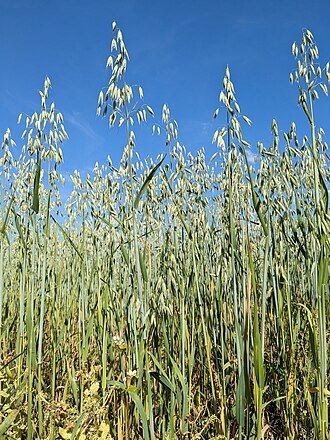
Botanical Reference 1: Oat — Botanical specimen
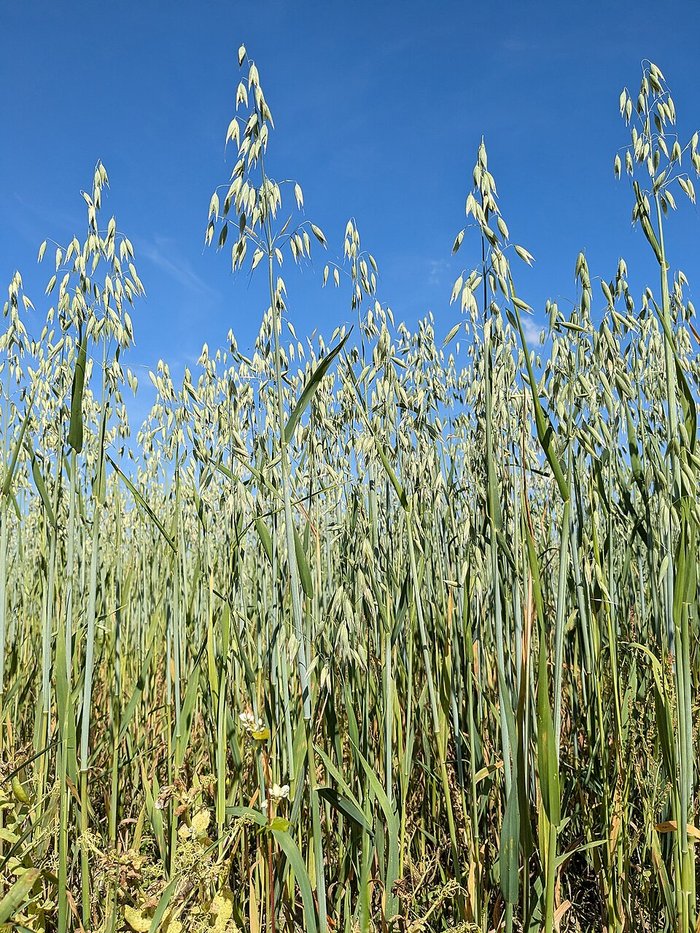
Botanical Reference 2: Oat — Botanical specimen
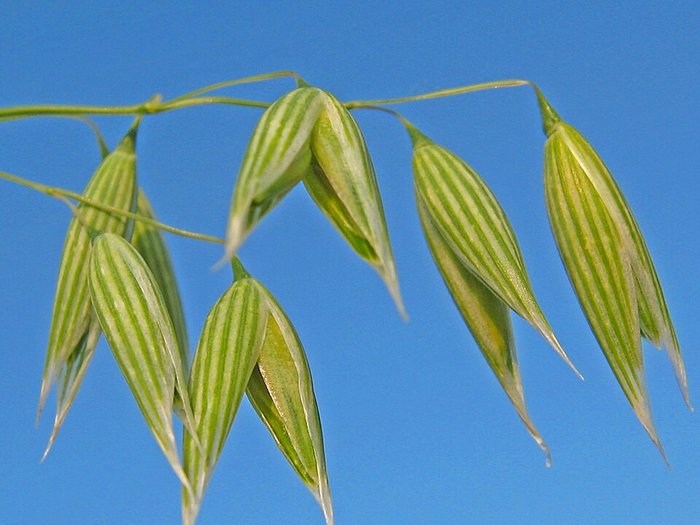
Botanical Reference 3: Avena sativa — Wikimedia Commons reference
4. Comparative Genus & Family Pharmacognosy
Within Indian medicinal flora, Avena sativa stands as a distinct representative of the genus Avena. Its therapeutic profile underscores the role of selectively utilized medicinal genera alongside larger polytypic genera.
At the family level, Gramineae encompasses 33 documented medicinal species (1.82% of the 1,814-species flora). Other representative medicinal members of Gramineae include: Agropyron repens (Couch grass), Arundo donax (Nala), Bambusa bambos (Vansha), Coix lacryma-jobi (Gavedhukaa), Cynodon dactylon (Duurvaa). In comparative pharmacognosy, evaluating species within the same botanical family aids quality control, authentication of crude drugs, and identification of chemotaxonomic markers.
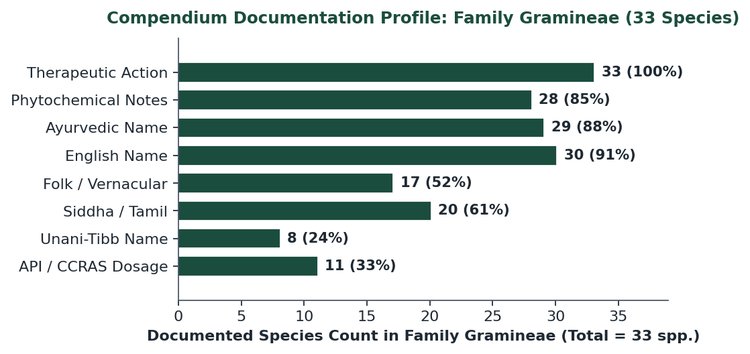
Figure 1: Quantitative documentation profile across all 33 medicinal species of family Gramineae.
5. Pharmacopoeial Standards, Posology & Reference Framework
In clinical and traditional dispensing, preparation and administration of Avena sativa follow the plant-part modalities specified under its therapeutic action (Nervine tonic (used in spermatorrhoea, palpitation, sleeplessness), cardiac tonic (used in debility), stimulant, antispasmodic, thymoleptic, antidepressant (used in menopausal phase). Also used in diarrhoea, dysentery, colitis. Externally, emollient), guided by the standard posological principles of The Ayurvedic Pharmacopoeia of India (Vols. I–IV) and CCRAS formularies. Classical and modern pharmacognostic synchronization for Avena sativa integrates standards from The Ayurvedic Pharmacopoeia of India, The National Formulary of Unani Medicine, Formulary of Siddha Medicine, The Wealth of India (CSIR), Compendium of Indian Medicinal Plants (CDRI), Dictionary of Indian Medicinal Plants (CIMAP), German Commission E, ESCOP, WHO monographs, British Herbal Pharmacopoeia, and Natural Medicines Comprehensive Database.