Aloe barbadensis Mill.
1. Taxonomic, Nomenclature & Therapeutic Summary Table
| Botanical Attribute | Pharmacognostic & Therapeutic Specification |
|---|---|
| Synonym | A. vera Tourn. ex Linn. A. indica Royle A. littoralis Koening |
| Family | Liliaceae; Agavaceae. |
| Habitat | Cultivated throughout India, wild on coasts of Maharashtra, Gujarat and South India. |
| English | Curacao Aloe, Barbados Aloe, Indian Aloe, Jaffarabad Aloe. |
| Ayurvedic | Kanyaasaara, Eleyaka (dried juice of the leaves). Kumaari, Kumaarikaa, Kanyaa, Grihkanyaa, Ghritkumaarika (plant). |
| Unani | Gheekwaar, Sibr. |
| Siddha / Tamil | Sotru Kattraazhai, Kumaari. Moosaambaram (dried juice). |
| Folk | Elwaa, Musabbar (dried juice of leaves). |
| Action | Purgative (causes griping), emmenagogue. Gel—topically emollient, anti-inflammatory, antimicrobial (used for wound healing, sunburn). |
| Key Application | In occasional constipation; contraindicated in intestinal obstruction and acutely inflamed intestinal diseases, ulcerative colitis, appendicitis. (German Commission E, ESCOP, WHO.) The Ayurvedic Pharmacopoeia of India recommends the use of dried juice of leaves in dysmenorrhoea and diseases of the liver. |
| Dosage | Leaf pulp juice—10–20 ml. (CCRAS.) Dried leaf pulp juice— 125–500 mg powder. (API Vol. I.) |
| Taxonomic Cohort | Genus Aloe (1 documented species); Family Liliaceae (43 documented species). |
2. Classical Nomenclature, Taxonomy & Biogeographical Context
Aloe barbadensis (taxonomically cited with authority Mill.) is an established medicinal plant species in Indian materia medica. It is classified under the botanical family Liliaceae; Agavaceae (primary family classification: Liliaceae), placing it within a well-defined chemotaxonomic group of medicinal flora. In classical and modern botanical literature, the species is cross-referenced under the botanical synonymy A. vera Tourn. ex Linn. A. indica Royle A. littoralis Koening, which is synchronized to prevent taxonomic ambiguity across regional herbal formularies. Biogeographically, its documented habitat and ecological distribution span: Cultivated throughout India, wild on coasts of Maharashtra, Gujarat and South India.
Across classical and vernacular Indian systems of medicine, Aloe barbadensis is recognized under distinct polyglot nomenclature: in English botanical and trade usage as Curacao Aloe, Barbados Aloe, Indian Aloe, Jaffarabad Aloe; in the Ayurvedic system (synchronized across The Ayurvedic Pharmacopoeia of India, CCRAS Standard Nomenclature, Sharangadhara Samhita, and Bhava Prakash) as Kanyaasaara, Eleyaka (dried juice of the leaves). Kumaari, Kumaarikaa, Kanyaa, Grihkanyaa, Ghritkumaarika (plant); in the Unani-Tibb materia medica (recorded in The National Formulary of Unani Medicine and CCRUM literature) as Gheekwaar, Sibr; in the Siddha and Tamil medical tradition (compiled from the Formulary of Siddha Medicine and IMPCOPS Chennai) as Sotru Kattraazhai, Kumaari. Moosaambaram (dried juice); in regional Indian folk and vernacular ethnobotany as Elwaa, Musabbar (dried juice of leaves). Romanized Sanskrit and Ayurvedic spellings follow standard National Academy of Ayurveda (Rashtriya Ayurveda Vidyapeeth) transliteration conventions, using double vowels to preserve authentic classical pronunciation across regional medical traditions.
3. Therapeutic Actions, Phytochemistry & Pharmacological Profile
In therapeutic and clinical pharmacognosy, the primary recorded actions and clinical indications of Aloe barbadensis are: Purgative (causes griping), emmenagogue. Gel—topically emollient, anti-inflammatory, antimicrobial (used for wound healing, sunburn). These traditional and clinical attributes reflect the plant part-specific pharmacological profile documented across classical Indian treatises and modern herbal pharmacopoeias. Furthermore, international and national regulatory monographs highlight its validated key clinical application: In occasional constipation; contraindicated in intestinal obstruction and acutely inflamed intestinal diseases, ulcerative colitis, appendicitis. (German Commission E, ESCOP, WHO.) The Ayurvedic Pharmacopoeia of India recommends the use of dried juice of leaves in dysmenorrhoea and diseases of the liver.
Experimental phytochemistry, active chemical constituents, and pharmacological screening studies reported for Aloe barbadensis establish the following evidence base: Aloe vera improved the hypoglycaemic effect of glyburide (glibenclamide) when one tablespoonful aloe juice was given orally in the morning and at bedtime to 36 diabetic patients for 42 days. The juice (same dose) showed antihyperglycaemic activity (independently). (Francis Brinker.) Anthraquinone glycosides, known as aloin, in small doses act as a tonic to the digestive system, and at higher doses become a strong purgative, as well as increase colonic secretions and peristaltic contractions. Resin fraction is also as important as aloin in cathartic action. In A. barbadensis the highest percentage of aloin is 21.8%. Aloe produces pelvic congestion and is used for uterine disorders, generally with Fe and carminatives. The pulp is used in menstrual suppressions. A molecule in the Aloe vera gel, acemannan, stimulates macrophages and releases immune system potentiators; enhances function of T cells and interferon production. Animal studies have shown promising results in sarcoma. The carboxypeptidase and salicylate components of Aloe gel can inhibit bradykinin, a pain-producing agent; C-glycosyl chromone appears to reduce topical inflammation. Aloe gel also slows or inhibits the synthesis of thromboxane, which may accelerate the healing of burns. (Natural Medicines Comprehensive Database, 2007.)
In specialized pharmacognostic classifications, Aloe barbadensis is also represented by authenticated macro-photographic crude drug specimens in institutional pharmacognostic collections.
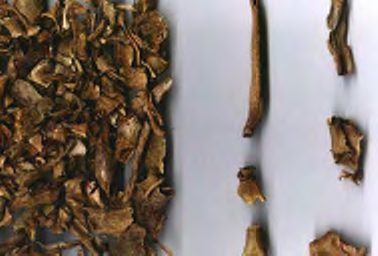
Figure 1: Authenticated crude herb specimen — Aloe barbadensis dried herb.
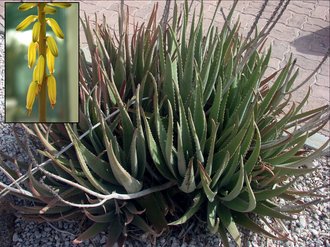
Botanical Reference 1: Aloe vera — Botanical specimen
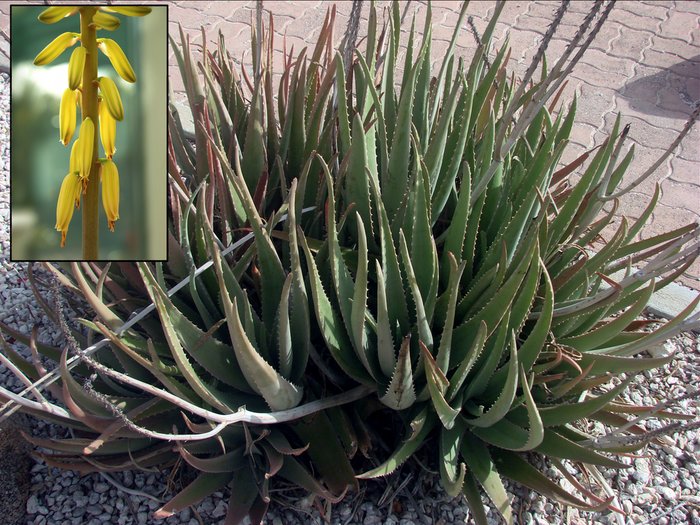
Botanical Reference 2: Aloe vera — Botanical specimen
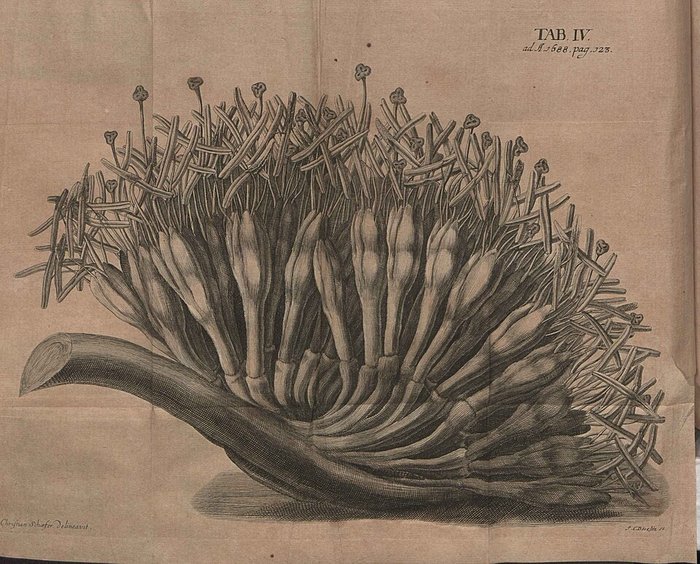
Botanical Reference 3: Aloe barbadensis — Wikimedia Commons reference
4. Comparative Genus & Family Pharmacognosy
Within Indian medicinal flora, Aloe barbadensis stands as a distinct representative of the genus Aloe. Its therapeutic profile underscores the role of selectively utilized medicinal genera alongside larger polytypic genera.
At the family level, Liliaceae encompasses 43 documented medicinal species (2.37% of the 1,814-species flora). Other representative medicinal members of Liliaceae include: Allium ascalonicum (Grnjana), Allium cepa (Palaandu), Allium macleanii (Oriental Royal Salep), Allium porrum (Leek), Asphodelus fistulosus (Asphodel). In comparative pharmacognosy, evaluating species within the same botanical family aids quality control, authentication of crude drugs, and identification of chemotaxonomic markers.
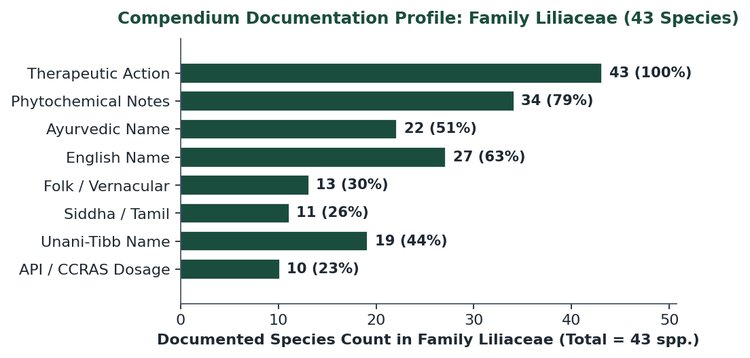
Figure 2: Quantitative documentation profile across all 43 medicinal species of family Liliaceae.
5. Pharmacopoeial Standards, Posology & Reference Framework
For clinical and traditional dispensing, the standardized posology and crude herb dosage for Aloe barbadensis are prescribed as follows: Leaf pulp juice—10–20 ml. (CCRAS.) Dried leaf pulp juice— 125–500 mg powder. (API Vol. I.). Crude drug dosages are calibrated against The Ayurvedic Pharmacopoeia of India (Vols. I–IV) and the Standard Nomenclature of Ayurvedic Medicinal Plants published by the Central Council for Research in Ayurveda and Siddha (CCRAS). Classical and modern pharmacognostic synchronization for Aloe barbadensis integrates standards from The Ayurvedic Pharmacopoeia of India, The National Formulary of Unani Medicine, Formulary of Siddha Medicine, The Wealth of India (CSIR), Compendium of Indian Medicinal Plants (CDRI), Dictionary of Indian Medicinal Plants (CIMAP), German Commission E, ESCOP, WHO monographs, British Herbal Pharmacopoeia, and Natural Medicines Comprehensive Database.