Althaea officinalis Linn.
1. Taxonomic, Nomenclature & Therapeutic Summary Table
| Botanical Attribute | Pharmacognostic & Therapeutic Specification |
|---|---|
| Family | Malvaceae. |
| Habitat | Native to eastern Europe; found in Kashmir and Himachal Pradesh. |
| English | Marshmallow, Hollyhock. |
| Unani | Khatmi, Gul-Khairu (also equated with Althaea rosea Linn.). |
| Siddha / Tamil | Shemai-tutti. |
| Action | Demulcent, emollient, antitussive (used for cough, bronchitis, gastritis, enteritis and cystitis), antilithic, diuretic. |
| Key Application | (leaf and root) In irritation of the oral and pharyngeal mucosa and associated dry cough; in mild inflammation of the gastric mucosa. (German Commission E, ESCOP.) As demulcent. (The British Herbal Pharmacopoeia.) In gastroenteritis, peptic and duodenal ulceration, common and ulcerative colitis. (The British Herbal Compendium.) Topically for varicose veins, skin ulcers, abscesses, cuts, burns. |
| Taxonomic Cohort | Genus Althaea (1 documented species); Family Malvaceae (27 documented species). |
2. Classical Nomenclature, Taxonomy & Biogeographical Context
Althaea officinalis (taxonomically cited with authority Linn.) is an established medicinal plant species in Indian materia medica. It is classified under the botanical family Malvaceae (primary family classification: Malvaceae), placing it within a well-defined chemotaxonomic group of medicinal flora. Within botanical taxonomy, this taxon is cataloged directly under its primary accepted binomial without secondary botanical synonyms. Biogeographically, its documented habitat and ecological distribution span: Native to eastern Europe; found in Kashmir and Himachal Pradesh.
Across classical and vernacular Indian systems of medicine, Althaea officinalis is recognized under distinct polyglot nomenclature: in English botanical and trade usage as Marshmallow, Hollyhock; in the Unani-Tibb materia medica (recorded in The National Formulary of Unani Medicine and CCRUM literature) as Khatmi, Gul-Khairu (also equated with Althaea rosea Linn.); in the Siddha and Tamil medical tradition (compiled from the Formulary of Siddha Medicine and IMPCOPS Chennai) as Shemai-tutti. Romanized Sanskrit and Ayurvedic spellings follow standard National Academy of Ayurveda (Rashtriya Ayurveda Vidyapeeth) transliteration conventions, using double vowels to preserve authentic classical pronunciation across regional medical traditions.
3. Therapeutic Actions, Phytochemistry & Pharmacological Profile
In therapeutic and clinical pharmacognosy, the primary recorded actions and clinical indications of Althaea officinalis are: Demulcent, emollient, antitussive (used for cough, bronchitis, gastritis, enteritis and cystitis), antilithic, diuretic. These traditional and clinical attributes reflect the plant part-specific pharmacological profile documented across classical Indian treatises and modern herbal pharmacopoeias. Furthermore, international and national regulatory monographs highlight its validated key clinical application: (leaf and root) In irritation of the oral and pharyngeal mucosa and associated dry cough; in mild inflammation of the gastric mucosa. (German Commission E, ESCOP.) As demulcent. (The British Herbal Pharmacopoeia.) In gastroenteritis, peptic and duodenal ulceration, common and ulcerative colitis. (The British Herbal Compendium.) Topically for varicose veins, skin ulcers, abscesses, cuts, burns.
Experimental phytochemistry, active chemical constituents, and pharmacological screening studies reported for Althaea officinalis establish the following evidence base: Althaea rosea (L.) Cav., synonym Alcea rosea L., Hollyhock flower, is used as mucilage for prophylaxis and therapy of diseases and discomforts of the respiratory and gastrointestinal tract and for urinary complaints. (It is included among unapproved herbs by German Commission E.) The root contains starch, mucilage, pectin, flavonoids, phenolic acids, sucrose, tannins and asparagines. Mucilage (18–35%) consists of a number of polysaccharides. Flavonoids include kaempferol, quercetin and diosmetin glucosides. Polyphenolic acids include syringic, caffeic, salcyclic, vanillic and p-coumaric acids. The mucilages have proven biological activity including stimulation of phagocytosis in vitro. The root counters excess stomach acid, peptic ulceration and gastritis.
In specialized pharmacognostic classifications, Althaea officinalis is also represented by authenticated macro-photographic crude drug specimens in institutional pharmacognostic collections.
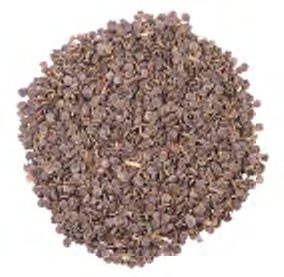
Figure 1: Authenticated crude herb specimen — Althaea officinalis seed.
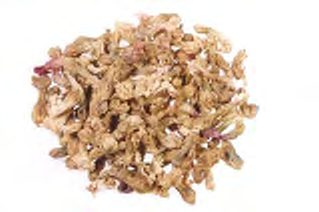
Figure 2: Authenticated crude herb specimen — Althaea officinalis flower.
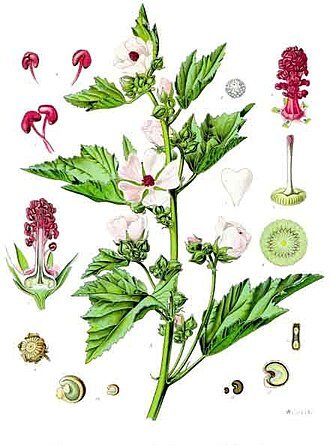
Botanical Reference 1: Althaea officinalis — Botanical specimen
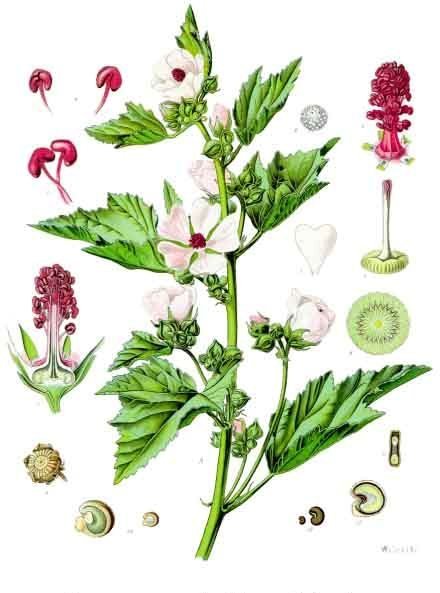
Botanical Reference 2: Althaea officinalis — Botanical specimen
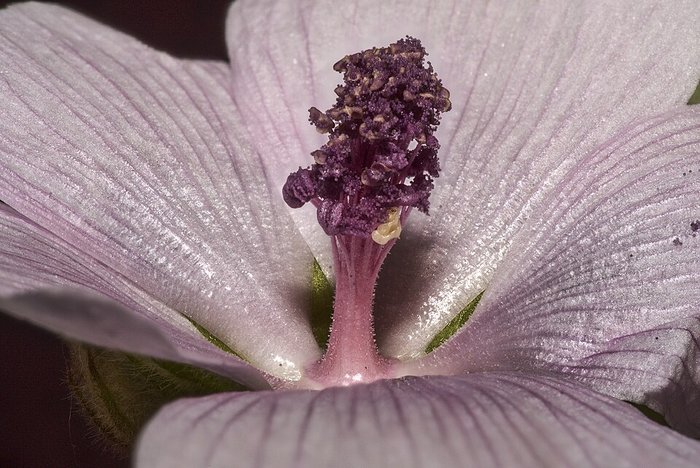
Botanical Reference 3: Althaea officinalis — Wikimedia Commons reference
4. Comparative Genus & Family Pharmacognosy
Within Indian medicinal flora, Althaea officinalis stands as a distinct representative of the genus Althaea. Its therapeutic profile underscores the role of selectively utilized medicinal genera alongside larger polytypic genera.
At the family level, Malvaceae encompasses 27 documented medicinal species (1.49% of the 1,814-species flora). Other representative medicinal members of Malvaceae include: Abelmoschus esculentus (Bhaandi), Abutilon indicum (Atibalaa), Gossypium arboreum (Kaarpaasi), Gossypium barbadense (Kaarpaasa), Hibiscus abelmoschus (Lataakasturi). In comparative pharmacognosy, evaluating species within the same botanical family aids quality control, authentication of crude drugs, and identification of chemotaxonomic markers.
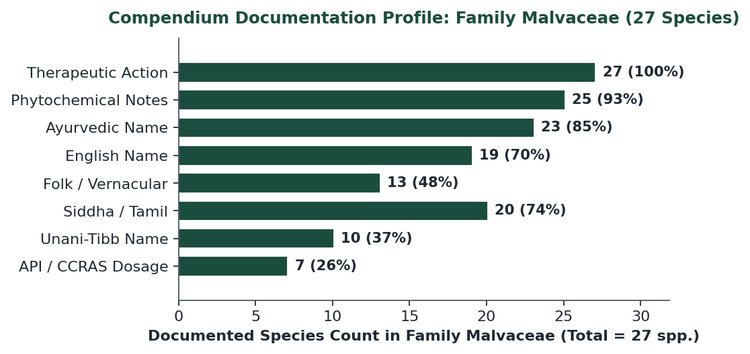
Figure 3: Quantitative documentation profile across all 27 medicinal species of family Malvaceae.
5. Pharmacopoeial Standards, Posology & Reference Framework
In clinical and traditional dispensing, preparation and administration of Althaea officinalis follow the plant-part modalities specified under its therapeutic action (Demulcent, emollient, antitussive (used for cough, bronchitis, gastritis, enteritis and cystitis), antilithic, diuretic), guided by the standard posological principles of The Ayurvedic Pharmacopoeia of India (Vols. I–IV) and CCRAS formularies. Classical and modern pharmacognostic synchronization for Althaea officinalis integrates standards from The Ayurvedic Pharmacopoeia of India, The National Formulary of Unani Medicine, Formulary of Siddha Medicine, The Wealth of India (CSIR), Compendium of Indian Medicinal Plants (CDRI), Dictionary of Indian Medicinal Plants (CIMAP), German Commission E, ESCOP, WHO monographs, British Herbal Pharmacopoeia, and Natural Medicines Comprehensive Database.