Ammi visnaga (Linn.) Lam
1. Taxonomic, Nomenclature & Therapeutic Summary Table
| Botanical Attribute | Pharmacognostic & Therapeutic Specification |
|---|---|
| Synonym | Daucus visnaga Linn. Visnaga daucoides Gaertn. |
| Family | Umbelliferae; Apiaceae. |
| Habitat | Cultivated as a garden ornamental; runs wild at many places in Jammu region. |
| English | Khella. |
| Folk | Paashaanabhedi (controversial; Bergenia ligulata has been equated with the classical Paashaanabheda). |
| Action | Antispasmodic in renal colic, bronchial asthma, whooping cough (used by Unani physicians), vasodilator (in angina pectoris). |
| Key Application | German Commission E approved the herb on 13 March 1986, but due to information on potential risks, its status was changed to unapproved on 15 April 1994. |
| Taxonomic Cohort | Genus Ammi (2 documented species); Family Umbelliferae (42 documented species). |
2. Classical Nomenclature, Taxonomy & Biogeographical Context
Ammi visnaga (taxonomically cited with authority (Linn.) Lam) is an established medicinal plant species in Indian materia medica. It is classified under the botanical family Umbelliferae; Apiaceae (primary family classification: Umbelliferae), placing it within a well-defined chemotaxonomic group of medicinal flora. In classical and modern botanical literature, the species is cross-referenced under the botanical synonymy Daucus visnaga Linn. Visnaga daucoides Gaertn, which is synchronized to prevent taxonomic ambiguity across regional herbal formularies. Biogeographically, its documented habitat and ecological distribution span: Cultivated as a garden ornamental; runs wild at many places in Jammu region.
Across classical and vernacular Indian systems of medicine, Ammi visnaga is recognized under distinct polyglot nomenclature: in English botanical and trade usage as Khella; in regional Indian folk and vernacular ethnobotany as Paashaanabhedi (controversial; Bergenia ligulata has been equated with the classical Paashaanabheda). Romanized Sanskrit and Ayurvedic spellings follow standard National Academy of Ayurveda (Rashtriya Ayurveda Vidyapeeth) transliteration conventions, using double vowels to preserve authentic classical pronunciation across regional medical traditions.
3. Therapeutic Actions, Phytochemistry & Pharmacological Profile
In therapeutic and clinical pharmacognosy, the primary recorded actions and clinical indications of Ammi visnaga are: Antispasmodic in renal colic, bronchial asthma, whooping cough (used by Unani physicians), vasodilator (in angina pectoris). These traditional and clinical attributes reflect the plant part-specific pharmacological profile documented across classical Indian treatises and modern herbal pharmacopoeias. Furthermore, international and national regulatory monographs highlight its validated key clinical application: German Commission E approved the herb on 13 March 1986, but due to information on potential risks, its status was changed to unapproved on 15 April 1994.
Experimental phytochemistry, active chemical constituents, and pharmacological screening studies reported for Ammi visnaga establish the following evidence base: Khella contains khellin (1%), visnagin, khellol glycoside, flavonoids, sterols, volatile oil (0.2%). Khellin and visnagin exert a powerful antispasmodic effect on the smaller bronchial muscles, the coronary arteries and on the urinary tubules. Khellin provides relief to asthmatic patients. The drug also relieves painful spasm of stone in kidney and bladder (no more used for expelling kidney stones). Khella does not reduce blood pressure in spite of being a vasodilator. Khellin is toxic at 100 mg. (Francis Brinker.) Khella is used topically for vitiligo and psoriasis. The Khellin constituent is similar to the psoralen nucleus and might be useful as a photosensitizer in patients with psoriasis. (Natural Medicines Comprehensive Database, 2007.) (Several modern drugs including amiodarone, nifedipine and cromolyn have been developed from Khella.)
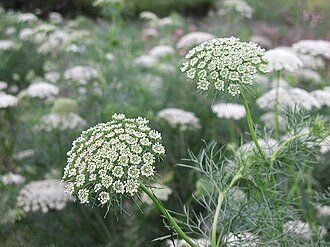
Botanical Reference 1: Visnaga daucoides — Botanical specimen
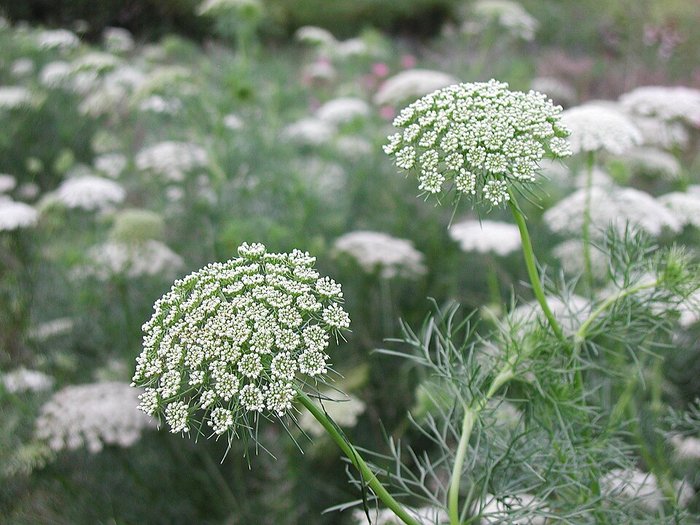
Botanical Reference 2: Visnaga daucoides — Botanical specimen
Botanical Reference 3: Ammi visnaga — Wikimedia Commons reference
4. Comparative Genus & Family Pharmacognosy
Taxonomically, the genus Ammi comprises 2 distinct medicinal species in Indian herbal literature. Closely allied congeneric species include: Ammi majus (Action: Source of xanthotoxin, a drug employed in the treatment of leucoderma. Dried…). Comparing Ammi visnaga alongside its congeners in genus Ammi highlights both shared secondary metabolite classes and species-specific organotropism across different ecological zones.
At the family level, Umbelliferae encompasses 42 documented medicinal species (2.32% of the 1,814-species flora). Other representative medicinal members of Umbelliferae include: Ammi majus (Biship’s Weed-Amee), Anethum sowa (Shataahvaa. Shatapushpaa), Angelica archangelica himalaica (Chandaa), Angelica glauca (Choraka), Apium graveolens (Ajmodaa). In comparative pharmacognosy, evaluating species within the same botanical family aids quality control, authentication of crude drugs, and identification of chemotaxonomic markers.
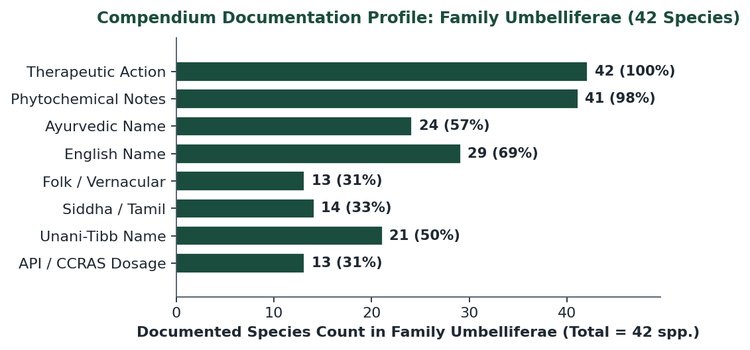
Figure 1: Quantitative documentation profile across all 42 medicinal species of family Umbelliferae.
5. Pharmacopoeial Standards, Posology & Reference Framework
In clinical and traditional dispensing, preparation and administration of Ammi visnaga follow the plant-part modalities specified under its therapeutic action (Antispasmodic in renal colic, bronchial asthma, whooping cough (used by Unani physicians), vasodilator (in angina pectoris)), guided by the standard posological principles of The Ayurvedic Pharmacopoeia of India (Vols. I–IV) and CCRAS formularies. Classical and modern pharmacognostic synchronization for Ammi visnaga integrates standards from The Ayurvedic Pharmacopoeia of India, The National Formulary of Unani Medicine, Formulary of Siddha Medicine, The Wealth of India (CSIR), Compendium of Indian Medicinal Plants (CDRI), Dictionary of Indian Medicinal Plants (CIMAP), German Commission E, ESCOP, WHO monographs, British Herbal Pharmacopoeia, and Natural Medicines Comprehensive Database.