Capsicum annuum Linn.
1. Taxonomic, Nomenclature & Therapeutic Summary Table
| Botanical Attribute | Pharmacognostic & Therapeutic Specification |
|---|---|
| Family | Solanaceae. |
| Habitat | Native to the West Indies and tropical America; now cultivated throughout tropical regions of India. |
| English | Chilli, Red Pepper. |
| Ayurvedic | Raktamaricha, Lankaa, Katuviraa. |
| Unani | Mirch, Filfil-e-Ahmar, Filfl-e-Surkh, Surkh Mirch. |
| Siddha / Tamil | Milagay. |
| Action | Stimulant, accelerates oxygenation of cells, encourages adrenal glands to produce corticosteroids, increases gastrointestinal secretion. Carminative, antispasmodic, antiseptic. Used externally for rheumatism, backache, lumbago, neuralgia, painful muscle spasm. |
| Dosage | Fruit—30–60 mg powder. (CCRAS.) |
| Taxonomic Cohort | Genus Capsicum (2 documented species); Family Solanaceae (38 documented species). |
2. Classical Nomenclature, Taxonomy & Biogeographical Context
Capsicum annuum (taxonomically cited with authority Linn.) is an established medicinal plant species in Indian materia medica. It is classified under the botanical family Solanaceae (primary family classification: Solanaceae), placing it within a well-defined chemotaxonomic group of medicinal flora. Within botanical taxonomy, this taxon is cataloged directly under its primary accepted binomial without secondary botanical synonyms. Biogeographically, its documented habitat and ecological distribution span: Native to the West Indies and tropical America; now cultivated throughout tropical regions of India.
Across classical and vernacular Indian systems of medicine, Capsicum annuum is recognized under distinct polyglot nomenclature: in English botanical and trade usage as Chilli, Red Pepper; in the Ayurvedic system (synchronized across The Ayurvedic Pharmacopoeia of India, CCRAS Standard Nomenclature, Sharangadhara Samhita, and Bhava Prakash) as Raktamaricha, Lankaa, Katuviraa; in the Unani-Tibb materia medica (recorded in The National Formulary of Unani Medicine and CCRUM literature) as Mirch, Filfil-e-Ahmar, Filfl-e-Surkh, Surkh Mirch; in the Siddha and Tamil medical tradition (compiled from the Formulary of Siddha Medicine and IMPCOPS Chennai) as Milagay. Romanized Sanskrit and Ayurvedic spellings follow standard National Academy of Ayurveda (Rashtriya Ayurveda Vidyapeeth) transliteration conventions, using double vowels to preserve authentic classical pronunciation across regional medical traditions.
3. Therapeutic Actions, Phytochemistry & Pharmacological Profile
In therapeutic and clinical pharmacognosy, the primary recorded actions and clinical indications of Capsicum annuum are: Stimulant, accelerates oxygenation of cells, encourages adrenal glands to produce corticosteroids, increases gastrointestinal secretion. Carminative, antispasmodic, antiseptic. Used externally for rheumatism, backache, lumbago, neuralgia, painful muscle spasm. These traditional and clinical attributes reflect the plant part-specific pharmacological profile documented across classical Indian treatises and modern herbal pharmacopoeias.
Experimental phytochemistry, active chemical constituents, and pharmacological screening studies reported for Capsicum annuum establish the following evidence base: Red chilli contains capsaicin (0.1– 1.5%), carotenoids, flavonoids, volatile oil; steroidal saponins (capsicidins, only in seeds). Capsaicin stimulates the circulation and alters temperature regulation; topically desensitizes nerve endings and acts as a local analgesic. Capsaicin produces a protective effect in rat lung and liver by strengthening the pulmonary antioxidant enzyme defence system. Acute capsaicin treatment causes release of substance desensitization of the respiratory tract mucosa to a variety of lung irritants. Red pepper or an equivalent amount of capsaicin, when fed along with cholesterol-containing diets to female albino rats, prevented significantly the rise of liver cholesterol levels. Vitamin P has been isolated from the chillies. Vitamin C gradually increases during maturation and reaches maximum at the semi-ripe or pink coloured stage and decreases thereafter. Capsaicin exhibited a hypoglycaemic effect in dogs; insulin release was increased. (Phytother Res, 2001, Aug 15(5), 391–4.)
In specialized pharmacognostic classifications, Capsicum annuum is also represented by authenticated macro-photographic crude drug specimens in institutional pharmacognostic collections.
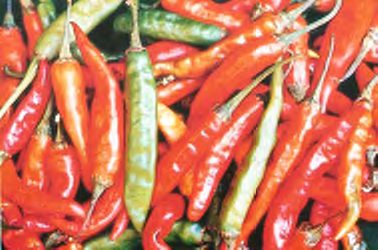
Figure 1: Authenticated crude herb specimen — Capsicum annuum fruit.
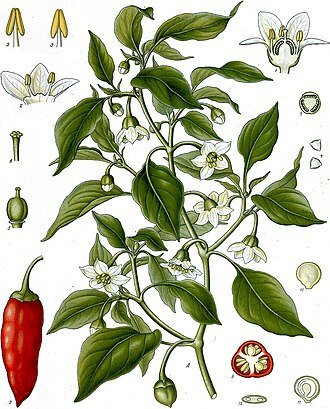
Botanical Reference 1: Capsicum annuum — Botanical specimen
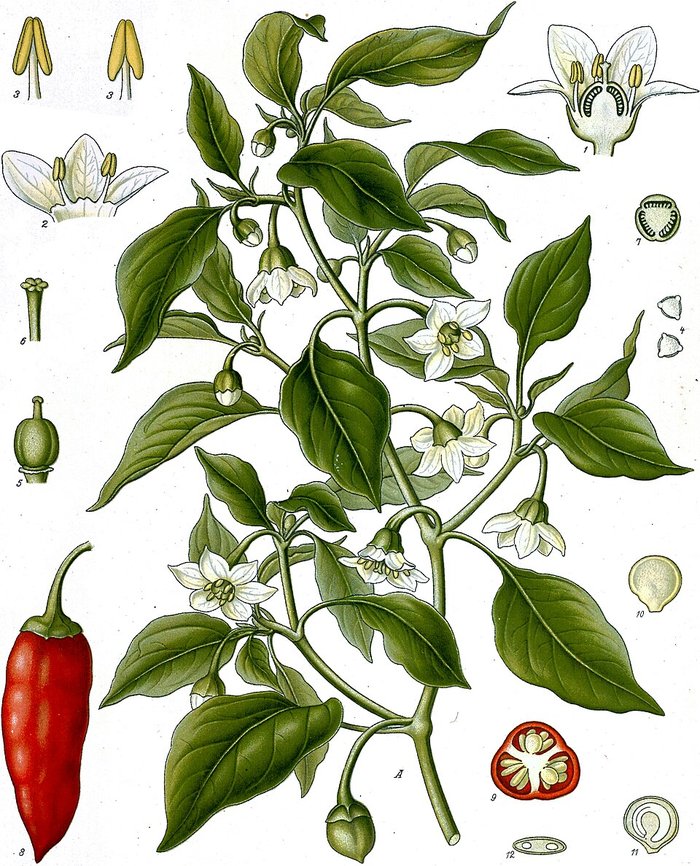
Botanical Reference 2: Capsicum annuum — Botanical specimen
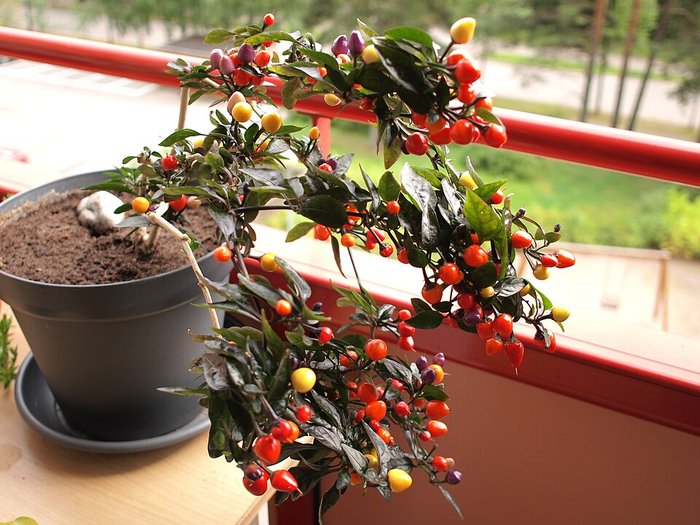
Botanical Reference 3: Capsicum annuum — Wikimedia Commons reference
4. Comparative Genus & Family Pharmacognosy
Taxonomically, the genus Capsicum comprises 2 distinct medicinal species in Indian herbal literature. Closely allied congeneric species include: Capsicum frutescens (Action: See Capsicum annuum). Comparing Capsicum annuum alongside its congeners in genus Capsicum highlights both shared secondary metabolite classes and species-specific organotropism across different ecological zones.
At the family level, Solanaceae encompasses 38 documented medicinal species (2.09% of the 1,814-species flora). Other representative medicinal members of Solanaceae include: Atropa acuminata (Suuchi), Brugmansia suaveolens (Angel’s Trumpet), Capsicum frutescens (Katuviraa), Datura alba (Dhattuura), Hyoscyamus muticus (Paarsika-yavaani). In comparative pharmacognosy, evaluating species within the same botanical family aids quality control, authentication of crude drugs, and identification of chemotaxonomic markers.
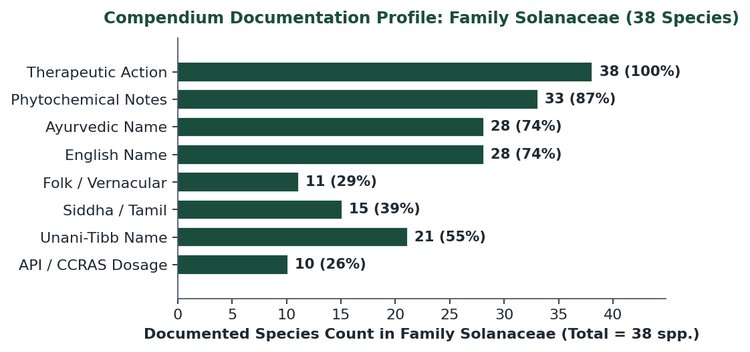
Figure 2: Quantitative documentation profile across all 38 medicinal species of family Solanaceae.
5. Pharmacopoeial Standards, Posology & Reference Framework
For clinical and traditional dispensing, the standardized posology and crude herb dosage for Capsicum annuum are prescribed as follows: Fruit—30–60 mg powder. (CCRAS.). Crude drug dosages are calibrated against The Ayurvedic Pharmacopoeia of India (Vols. I–IV) and the Standard Nomenclature of Ayurvedic Medicinal Plants published by the Central Council for Research in Ayurveda and Siddha (CCRAS). Classical and modern pharmacognostic synchronization for Capsicum annuum integrates standards from The Ayurvedic Pharmacopoeia of India, The National Formulary of Unani Medicine, Formulary of Siddha Medicine, The Wealth of India (CSIR), Compendium of Indian Medicinal Plants (CDRI), Dictionary of Indian Medicinal Plants (CIMAP), German Commission E, ESCOP, WHO monographs, British Herbal Pharmacopoeia, and Natural Medicines Comprehensive Database.