Catharanthus roseus (L.) G. Don.
1. Taxonomic, Nomenclature & Therapeutic Summary Table
| Botanical Attribute | Pharmacognostic & Therapeutic Specification |
|---|---|
| Synonym | Vinca rosea L. Lochnera rosea (L.) Reichub. |
| Family | Apocynaceae. |
| Habitat | Commonly grown in Indian gardens. |
| English | Madagascar Periwinkle (Vinca major L. Pich. and Vinca minor Linn. are known as Greater Periwinkle and Lesser Periwinkle respectively). |
| Folk | Sadaabahaar, Nayantaaraa, Nityakalyaani. |
| Action | The cytotoxic dimeric alkaloids, present in Madagascar Periwinkle, Catharanthus roseus L. Don, Vincea rosea L., and used for the treatment of certain type of cancer, have not been found in V. major. |
| Taxonomic Cohort | Genus Catharanthus (1 documented species); Family Apocynaceae (31 documented species). |
2. Classical Nomenclature, Taxonomy & Biogeographical Context
Catharanthus roseus (taxonomically cited with authority (L.) G. Don.) is an established medicinal plant species in Indian materia medica. It is classified under the botanical family Apocynaceae (primary family classification: Apocynaceae), placing it within a well-defined chemotaxonomic group of medicinal flora. In classical and modern botanical literature, the species is cross-referenced under the botanical synonymy Vinca rosea L. Lochnera rosea (L.) Reichub, which is synchronized to prevent taxonomic ambiguity across regional herbal formularies. Biogeographically, its documented habitat and ecological distribution span: Commonly grown in Indian gardens.
Across classical and vernacular Indian systems of medicine, Catharanthus roseus is recognized under distinct polyglot nomenclature: in English botanical and trade usage as Madagascar Periwinkle (Vinca major L. Pich. and Vinca minor Linn. are known as Greater Periwinkle and Lesser Periwinkle respectively); in regional Indian folk and vernacular ethnobotany as Sadaabahaar, Nayantaaraa, Nityakalyaani. Romanized Sanskrit and Ayurvedic spellings follow standard National Academy of Ayurveda (Rashtriya Ayurveda Vidyapeeth) transliteration conventions, using double vowels to preserve authentic classical pronunciation across regional medical traditions.
3. Therapeutic Actions, Phytochemistry & Pharmacological Profile
In therapeutic and clinical pharmacognosy, the primary recorded actions and clinical indications of Catharanthus roseus are: The cytotoxic dimeric alkaloids, present in Madagascar Periwinkle, Catharanthus roseus L. Don, Vincea rosea L., and used for the treatment of certain type of cancer, have not been found in V. major. These traditional and clinical attributes reflect the plant part-specific pharmacological profile documented across classical Indian treatises and modern herbal pharmacopoeias.
Experimental phytochemistry, active chemical constituents, and pharmacological screening studies reported for Catharanthus roseus establish the following evidence base: Catharanthus roseus (Madagascar Periwinkle) : cytostatic, anti-neoplastic, slows down growth of cells by supressing immune response. Vinblastine and Vincristine are said to prolong remission of leukaemia to more than five years. These chemotherapeutic agents are toxic to the nervous system. Vinblastine is also used for breast cancer and Hodgkin’s disease. Vinca major L. Pich. (Greater Periwinkle): astringent, anti-haemorrhagic; used for menorrhagia and leucorrhoea. Contains indole alkaloids including reserpinine and serpentine; tannins. Vinca minor Linn. (Lesser Periwinkle): astringent; circulatory stimulant. Leaves—stomachic and bitter. Root— hypotensive. Used for gastric catarrh, chronic dyspepsia, flatulence; also for headache, dizziness, behaviours disorders. A homoeopathic tincture is given for internal haemorrhages.
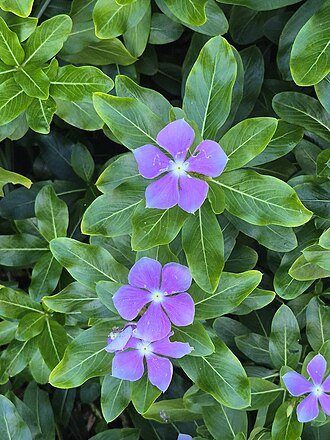
Botanical Reference 1: Catharanthus roseus — Botanical specimen
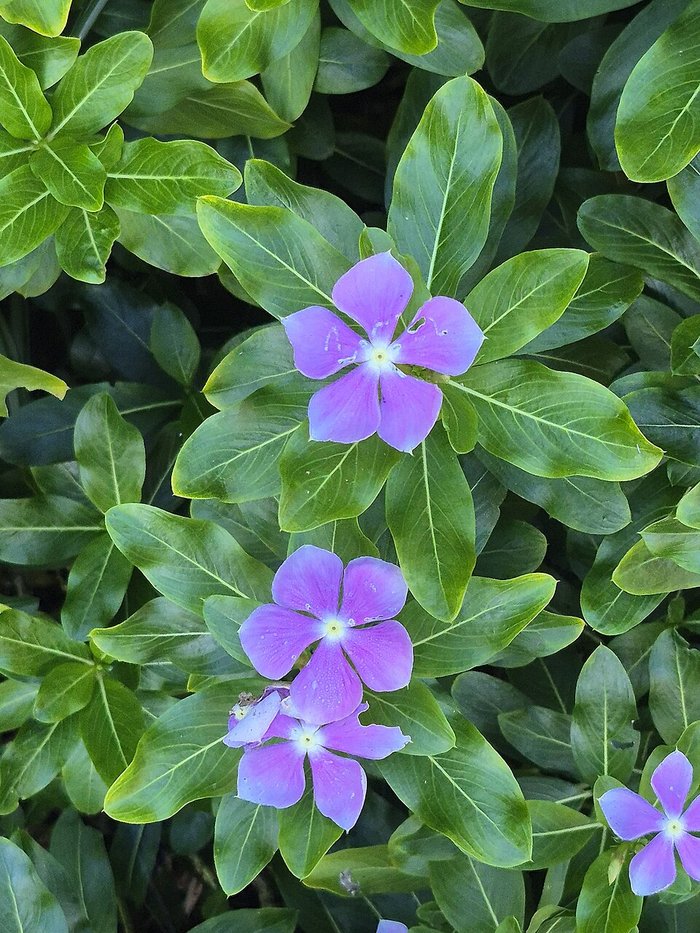
Botanical Reference 2: Catharanthus roseus — Botanical specimen
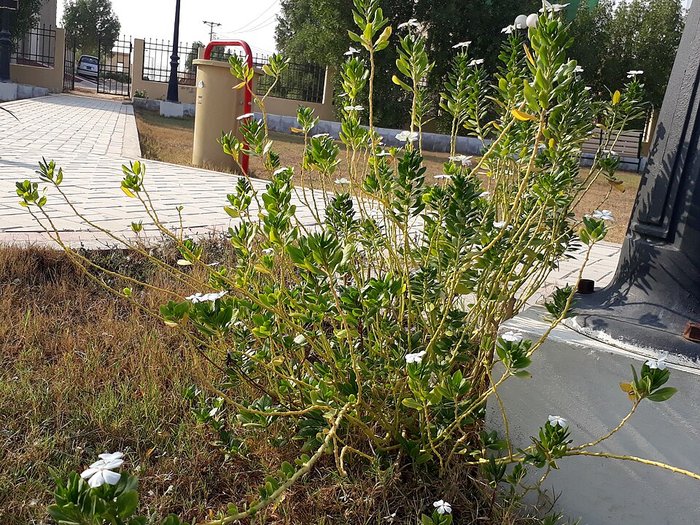
Botanical Reference 3: Catharanthus roseus — Wikimedia Commons reference
4. Comparative Genus & Family Pharmacognosy
Within Indian medicinal flora, Catharanthus roseus stands as a distinct representative of the genus Catharanthus. Its therapeutic profile underscores the role of selectively utilized medicinal genera alongside larger polytypic genera.
At the family level, Apocynaceae encompasses 31 documented medicinal species (1.71% of the 1,814-species flora). Other representative medicinal members of Apocynaceae include: Aganosma dichotoma (Madhumaalati), Allemanda cathartica (Golden Trumpet), Alstonia scholaris (Saptaparna), Alstonia venenata (Pazh-munipala), Carissa carandas congesta (Karinkaara). In comparative pharmacognosy, evaluating species within the same botanical family aids quality control, authentication of crude drugs, and identification of chemotaxonomic markers.
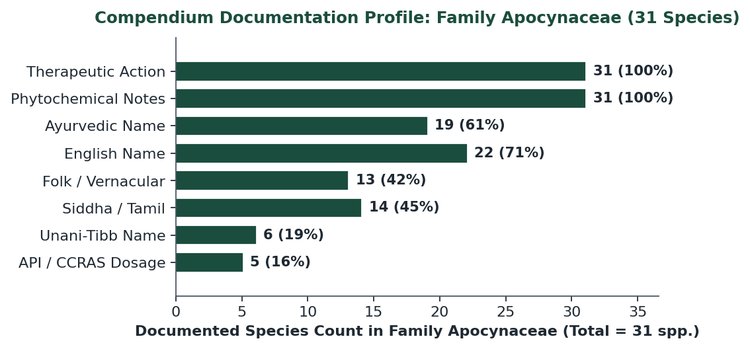
Figure 1: Quantitative documentation profile across all 31 medicinal species of family Apocynaceae.
5. Pharmacopoeial Standards, Posology & Reference Framework
In clinical and traditional dispensing, preparation and administration of Catharanthus roseus follow the plant-part modalities specified under its therapeutic action (The cytotoxic dimeric alkaloids, present in Madagascar Periwinkle, Catharanthus roseus L. Don, Vincea rosea L., and used for the treatment of certain type of cancer, have not been found in V. major), guided by the standard posological principles of The Ayurvedic Pharmacopoeia of India (Vols. I–IV) and CCRAS formularies. Classical and modern pharmacognostic synchronization for Catharanthus roseus integrates standards from The Ayurvedic Pharmacopoeia of India, The National Formulary of Unani Medicine, Formulary of Siddha Medicine, The Wealth of India (CSIR), Compendium of Indian Medicinal Plants (CDRI), Dictionary of Indian Medicinal Plants (CIMAP), German Commission E, ESCOP, WHO monographs, British Herbal Pharmacopoeia, and Natural Medicines Comprehensive Database.