Cynara scolymus Linn.
1. Taxonomic, Nomenclature & Therapeutic Summary Table
| Botanical Attribute | Pharmacognostic & Therapeutic Specification |
|---|---|
| Family | Compositae; Asteraceae. |
| Habitat | Monastery gardens of Europe. Now cultivated in India. |
| English | Globe Artichoke. |
| Unani | Harshaf. |
| Action | Herb—antitoxic, liver restorative, hypocholesterolaemic. Water soluble extract is used for liver and renal diseases for its cholagogic and choleretic action (flow of bile increases up to 60 per cent). Artichokes assist digestion of fats, are known as diabetic’s potato in Europe. |
| Key Application | In dyspeptic problems. (German Commission E.) The British Herbal Pharmacopoeia reported hepatic action. |
| Taxonomic Cohort | Genus Cynara (1 documented species); Family Compositae (91 documented species). |
2. Classical Nomenclature, Taxonomy & Biogeographical Context
Cynara scolymus (taxonomically cited with authority Linn.) is an established medicinal plant species in Indian materia medica. It is classified under the botanical family Compositae; Asteraceae (primary family classification: Compositae), placing it within a well-defined chemotaxonomic group of medicinal flora. Within botanical taxonomy, this taxon is cataloged directly under its primary accepted binomial without secondary botanical synonyms. Biogeographically, its documented habitat and ecological distribution span: Monastery gardens of Europe. Now cultivated in India.
Across classical and vernacular Indian systems of medicine, Cynara scolymus is recognized under distinct polyglot nomenclature: in English botanical and trade usage as Globe Artichoke; in the Unani-Tibb materia medica (recorded in The National Formulary of Unani Medicine and CCRUM literature) as Harshaf. Romanized Sanskrit and Ayurvedic spellings follow standard National Academy of Ayurveda (Rashtriya Ayurveda Vidyapeeth) transliteration conventions, using double vowels to preserve authentic classical pronunciation across regional medical traditions.
3. Therapeutic Actions, Phytochemistry & Pharmacological Profile
In therapeutic and clinical pharmacognosy, the primary recorded actions and clinical indications of Cynara scolymus are: Herb—antitoxic, liver restorative, hypocholesterolaemic. Water soluble extract is used for liver and renal diseases for its cholagogic and choleretic action (flow of bile increases up to 60 per cent). Artichokes assist digestion of fats, are known as diabetic’s potato in Europe. These traditional and clinical attributes reflect the plant part-specific pharmacological profile documented across classical Indian treatises and modern herbal pharmacopoeias. Furthermore, international and national regulatory monographs highlight its validated key clinical application: In dyspeptic problems. (German Commission E.) The British Herbal Pharmacopoeia reported hepatic action.
Experimental phytochemistry, active chemical constituents, and pharmacological screening studies reported for Cynara scolymus establish the following evidence base: All parts of the plant contains sesquiterpene lactone cynaropecrin and inulin. The leaves contain cynarin. Hepatic activity of the leaves is due to polyphenols such as cynarin, caffeoylquinic acid derivatives and flavonoids. Cynarin and caffeic acid exhibited hepatoprotective activity in CCl4-treated rats. (A minimum of 1% polyphenols and 0.2% flavonoids in the dried leaves is required for the activity.) The plant is included in indigenous compound formulations recommended for viral and drug-induced hepatitis. All parts of the plant stimulate digestive secretions, especially bile, and are used for the treatment of gallbladder problems. Plant is used as a diuretic in dropsy. The plant is also used against atherosclerosis and for lowering cholesterol levels. The extract gave mixed results in preventing alcohol-induced hangover. (CMAJ, 169, 2003, 1269–73; Natural Medicines Comprehensive Database, 2007.)
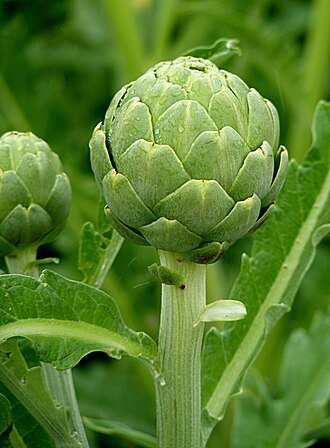
Botanical Reference 1: Artichoke — Botanical specimen
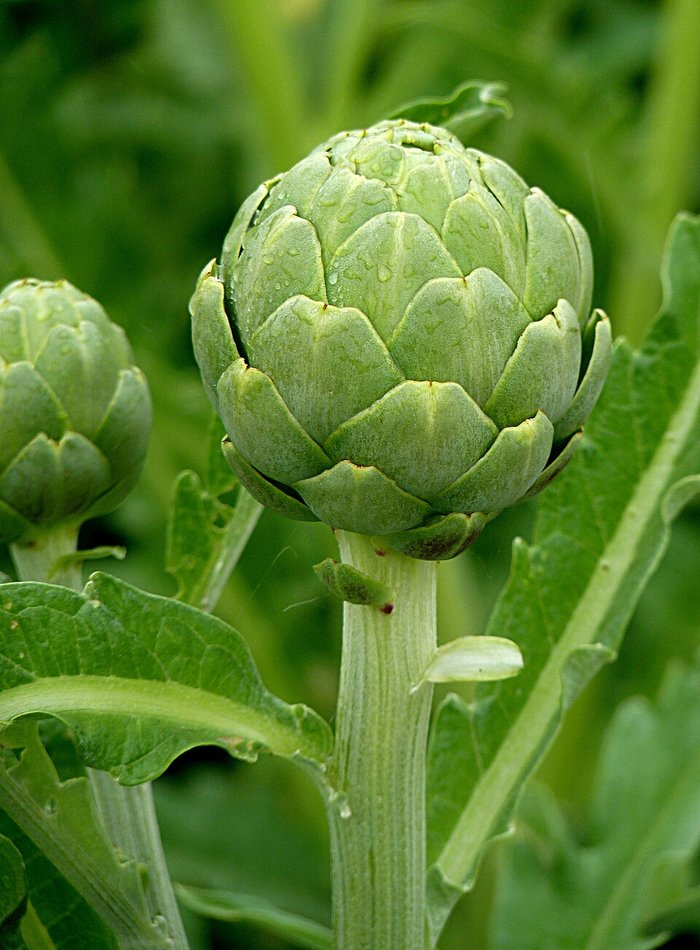
Botanical Reference 2: Artichoke — Botanical specimen
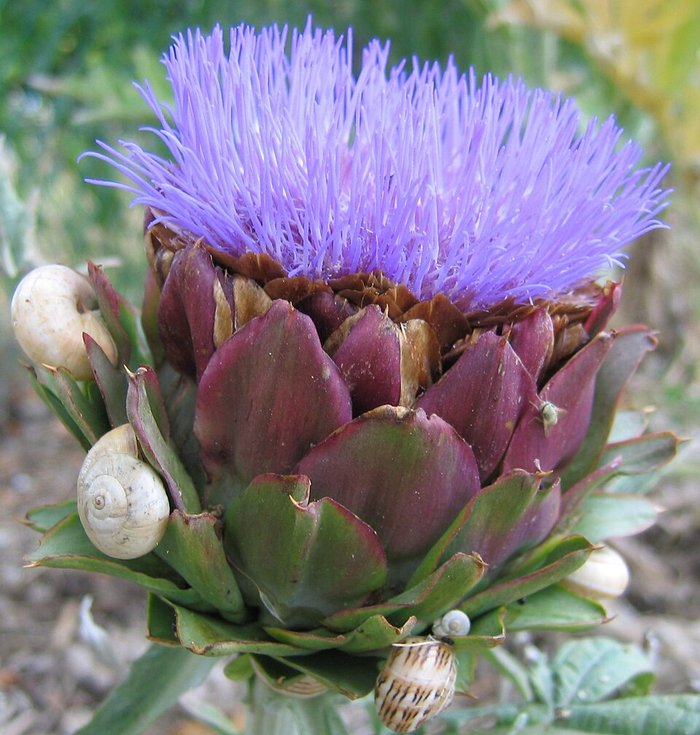
Botanical Reference 3: Cynara scolymus — Wikimedia Commons reference
4. Comparative Genus & Family Pharmacognosy
Within Indian medicinal flora, Cynara scolymus stands as a distinct representative of the genus Cynara. Its therapeutic profile underscores the role of selectively utilized medicinal genera alongside larger polytypic genera.
At the family level, Compositae encompasses 91 documented medicinal species (5.02% of the 1,814-species flora). Other representative medicinal members of Compositae include: Acanthospermum hispidum (Trikantaka), Achillea millefolium (Milfoil), Ainsliaea aptera (Karui Buuti), Amberboa divaricata (Brahmadandi), Anacyclus pyrethrum (Aakaarakarabha). In comparative pharmacognosy, evaluating species within the same botanical family aids quality control, authentication of crude drugs, and identification of chemotaxonomic markers.
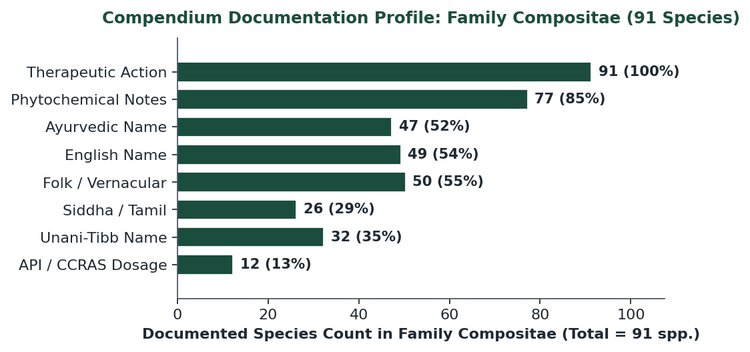
Figure 1: Quantitative documentation profile across all 91 medicinal species of family Compositae.
5. Pharmacopoeial Standards, Posology & Reference Framework
In clinical and traditional dispensing, preparation and administration of Cynara scolymus follow the plant-part modalities specified under its therapeutic action (Herb—antitoxic, liver restorative, hypocholesterolaemic. Water soluble extract is used for liver and renal diseases for its cholagogic and choleretic action (flow of bile increases up to 60 per cent). Artichokes assist digestion of fats, are known as diabetic’s potato in Europe), guided by the standard posological principles of The Ayurvedic Pharmacopoeia of India (Vols. I–IV) and CCRAS formularies. Classical and modern pharmacognostic synchronization for Cynara scolymus integrates standards from The Ayurvedic Pharmacopoeia of India, The National Formulary of Unani Medicine, Formulary of Siddha Medicine, The Wealth of India (CSIR), Compendium of Indian Medicinal Plants (CDRI), Dictionary of Indian Medicinal Plants (CIMAP), German Commission E, ESCOP, WHO monographs, British Herbal Pharmacopoeia, and Natural Medicines Comprehensive Database.