Cynodon dactylon Pers.
1. Taxonomic, Nomenclature & Therapeutic Summary Table
| Botanical Attribute | Pharmacognostic & Therapeutic Specification |
|---|---|
| Family | Gramineae; Poaceae. |
| Habitat | Throughout India up to 3,000 m. |
| English | Bermuda Grass, Bahama Grass, Couch Grass. |
| Ayurvedic | Duurvaa, Bhaargavi, Shatvalli, Shatparvaa, Tiktaparvaa, Shatviryaa, Sahastravirya, Shitaa, Anantaa, Golomi. |
| Unani | Duub. |
| Siddha / Tamil | Arugampallu. |
| Action | The grass is a reputed as a remedy in epitaxis, haematuria, inflammed tumours, whitlows fleshy excrescences, cuts, wounds, bleeding piles, cystitis, nephritis and in scabies and other skin diseases. It is credited with astringent, diuretic, antidiarrhoeal, anticatarrhal, styptic and antiseptic properties. The Ayurvedic Pharmacopoeia of India recommended the dried fibrous root in menorrhagia, metrorrhagia and burning micturation. |
| Dosage | Whole plant—10–20 ml juice (API Vol. IV.); root—5–10 ml juice (API Vol. III.) |
| Taxonomic Cohort | Genus Cynodon (1 documented species); Family Gramineae (33 documented species). |
2. Classical Nomenclature, Taxonomy & Biogeographical Context
Cynodon dactylon (taxonomically cited with authority Pers.) is an established medicinal plant species in Indian materia medica. It is classified under the botanical family Gramineae; Poaceae (primary family classification: Gramineae), placing it within a well-defined chemotaxonomic group of medicinal flora. Within botanical taxonomy, this taxon is cataloged directly under its primary accepted binomial without secondary botanical synonyms. Biogeographically, its documented habitat and ecological distribution span: Throughout India up to 3,000 m.
Across classical and vernacular Indian systems of medicine, Cynodon dactylon is recognized under distinct polyglot nomenclature: in English botanical and trade usage as Bermuda Grass, Bahama Grass, Couch Grass; in the Ayurvedic system (synchronized across The Ayurvedic Pharmacopoeia of India, CCRAS Standard Nomenclature, Sharangadhara Samhita, and Bhava Prakash) as Duurvaa, Bhaargavi, Shatvalli, Shatparvaa, Tiktaparvaa, Shatviryaa, Sahastravirya, Shitaa, Anantaa, Golomi; in the Unani-Tibb materia medica (recorded in The National Formulary of Unani Medicine and CCRUM literature) as Duub; in the Siddha and Tamil medical tradition (compiled from the Formulary of Siddha Medicine and IMPCOPS Chennai) as Arugampallu. Romanized Sanskrit and Ayurvedic spellings follow standard National Academy of Ayurveda (Rashtriya Ayurveda Vidyapeeth) transliteration conventions, using double vowels to preserve authentic classical pronunciation across regional medical traditions.
3. Therapeutic Actions, Phytochemistry & Pharmacological Profile
In therapeutic and clinical pharmacognosy, the primary recorded actions and clinical indications of Cynodon dactylon are: The grass is a reputed as a remedy in epitaxis, haematuria, inflammed tumours, whitlows fleshy excrescences, cuts, wounds, bleeding piles, cystitis, nephritis and in scabies and other skin diseases. It is credited with astringent, diuretic, antidiarrhoeal, anticatarrhal, styptic and antiseptic properties. The Ayurvedic Pharmacopoeia of India recommended the dried fibrous root in menorrhagia, metrorrhagia and burning micturation. These traditional and clinical attributes reflect the plant part-specific pharmacological profile documented across classical Indian treatises and modern herbal pharmacopoeias.
Experimental phytochemistry, active chemical constituents, and pharmacological screening studies reported for Cynodon dactylon establish the following evidence base: Phenolic phytotoxins—ferulic, syringic, p-coumaric, vanillic, p-hydroxybenzoic and O-hydroxyphenyl acetic acids, are reported from the plant. The leaves contain tricin, flavone Cglycosides and a flavonoid sulphate.
In specialized pharmacognostic classifications, Cynodon dactylon is also listed among standardized commercial herbal extracts used in India with defined quantitative phytochemical markers.
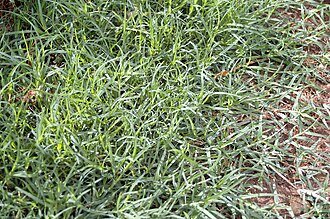
Botanical Reference 1: Cynodon dactylon — Botanical specimen
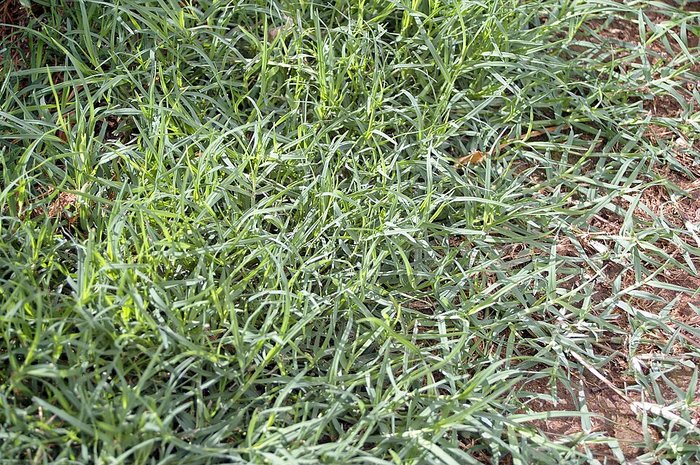
Botanical Reference 2: Cynodon dactylon — Botanical specimen
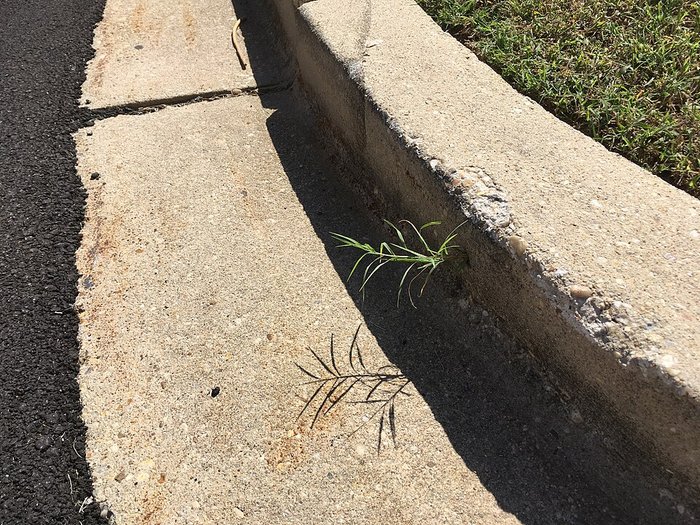
Botanical Reference 3: Cynodon dactylon — Wikimedia Commons reference
4. Comparative Genus & Family Pharmacognosy
Within Indian medicinal flora, Cynodon dactylon stands as a distinct representative of the genus Cynodon. Its therapeutic profile underscores the role of selectively utilized medicinal genera alongside larger polytypic genera.
At the family level, Gramineae encompasses 33 documented medicinal species (1.82% of the 1,814-species flora). Other representative medicinal members of Gramineae include: Agropyron repens (Couch grass), Arundo donax (Nala), Avena sativa (Yavikaa), Bambusa bambos (Vansha), Coix lacryma-jobi (Gavedhukaa). In comparative pharmacognosy, evaluating species within the same botanical family aids quality control, authentication of crude drugs, and identification of chemotaxonomic markers.
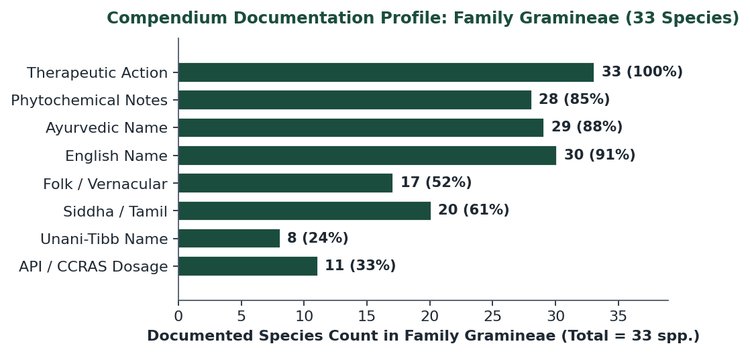
Figure 1: Quantitative documentation profile across all 33 medicinal species of family Gramineae.
5. Pharmacopoeial Standards, Posology & Reference Framework
For clinical and traditional dispensing, the standardized posology and crude herb dosage for Cynodon dactylon are prescribed as follows: Whole plant—10–20 ml juice (API Vol. IV.); root—5–10 ml juice (API Vol. III.). Crude drug dosages are calibrated against The Ayurvedic Pharmacopoeia of India (Vols. I–IV) and the Standard Nomenclature of Ayurvedic Medicinal Plants published by the Central Council for Research in Ayurveda and Siddha (CCRAS). Classical and modern pharmacognostic synchronization for Cynodon dactylon integrates standards from The Ayurvedic Pharmacopoeia of India, The National Formulary of Unani Medicine, Formulary of Siddha Medicine, The Wealth of India (CSIR), Compendium of Indian Medicinal Plants (CDRI), Dictionary of Indian Medicinal Plants (CIMAP), German Commission E, ESCOP, WHO monographs, British Herbal Pharmacopoeia, and Natural Medicines Comprehensive Database.