Coleus barbatus Benth.
1. Taxonomic, Nomenclature & Therapeutic Summary Table
| Botanical Attribute | Pharmacognostic & Therapeutic Specification |
|---|---|
| Synonym | C. forskohlii Briq. Plectranthus barbatus Andr. |
| Family | Lamiaceae. |
| Habitat | The sub-tropical Himalayas of Kumaon and Nepal; cultivated in Andhra Pradesh. |
| Ayurvedic | Gandira (Achyranthes aquatica Br. is also equated with Gandira). (Doubtful synonym.) |
| Folk | Garmar (Gujarat), Gurmal. |
| Action | Root and leaf—spasmolytic, antithrombotic, anti-inflammatory, lipolytic. |
| Taxonomic Cohort | Genus Coleus (3 documented species); Family Lamiaceae (8 documented species). |
2. Classical Nomenclature, Taxonomy & Biogeographical Context
Coleus barbatus (taxonomically cited with authority Benth.) is an established medicinal plant species in Indian materia medica. It is classified under the botanical family Lamiaceae (primary family classification: Lamiaceae), placing it within a well-defined chemotaxonomic group of medicinal flora. In classical and modern botanical literature, the species is cross-referenced under the botanical synonymy C. forskohlii Briq. Plectranthus barbatus Andr, which is synchronized to prevent taxonomic ambiguity across regional herbal formularies. Biogeographically, its documented habitat and ecological distribution span: The sub-tropical Himalayas of Kumaon and Nepal; cultivated in Andhra Pradesh.
Across classical and vernacular Indian systems of medicine, Coleus barbatus is recognized under distinct polyglot nomenclature: in the Ayurvedic system (synchronized across The Ayurvedic Pharmacopoeia of India, CCRAS Standard Nomenclature, Sharangadhara Samhita, and Bhava Prakash) as Gandira (Achyranthes aquatica Br. is also equated with Gandira). (Doubtful synonym.); in regional Indian folk and vernacular ethnobotany as Garmar (Gujarat), Gurmal. Romanized Sanskrit and Ayurvedic spellings follow standard National Academy of Ayurveda (Rashtriya Ayurveda Vidyapeeth) transliteration conventions, using double vowels to preserve authentic classical pronunciation across regional medical traditions.
3. Therapeutic Actions, Phytochemistry & Pharmacological Profile
In therapeutic and clinical pharmacognosy, the primary recorded actions and clinical indications of Coleus barbatus are: Root and leaf—spasmolytic, antithrombotic, anti-inflammatory, lipolytic. These traditional and clinical attributes reflect the plant part-specific pharmacological profile documented across classical Indian treatises and modern herbal pharmacopoeias.
Experimental phytochemistry, active chemical constituents, and pharmacological screening studies reported for Coleus barbatus establish the following evidence base: In experimental amoebiasis of rats, the root powder and ethanolic extract showed amoebicidal activity against Entamoeba histolytica. An alcoholic extract of the roots and essential oil from it, were found to inhibit passive cutaneous anaphylaxis in the mouse and rat. The plant produces the labdane diterpenoid, forskolin in its tuberous roots. Forskolin was discovered during a screening of medicinal plants by Central Drug Research Institute, Lucknow, India, in 1974. (Planta Medica, 1985, 51, 473–477.) The screening revealed the presence of a hypotensive and spasmolytic principle, named coleonol (later the name was changed to forskolin). The basic mechanism of forskolin is the activation of an enzyme, adenylate cyclase, which increases the amount of cyclic adenosine monophosphate (cAMP) in cells. Raised intracellular cAMP level exhibits following physiological effects : inhibition of platelet activation and degranulation; inhibition of mast cell degranualation and histamine release; relaxation of the arteries and other smooth muscles; increased insulin secretion; increased thyroid function; increased lipolysis. Forskolin, in clinical studies, reduced intraocular pressure when it was applied to the eyes for treating glaucoma. It has been shown to be a direct cerebral vasodilator. It has also been studied as a possible bronchodilator (in the treatment of asthma) and has been shown to effectively reverse methacholine-induced broncho constriction in extrinsic asthmatics. Standardized Coleus extracts containing forskolin (18% in 50 mg) find application in weight-loss programmes. (Michael T. Murray.) Studies on forskolin and some 50 derivatives of the compound indicate that the natural product is more active than the analogs prepared from it. The wild var. is known as Kaffir Potato.
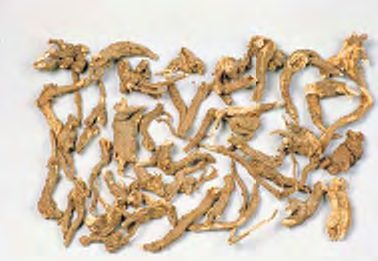
Figure 1: Authenticated crude herb specimen — Coleus forskohlii dried herb.
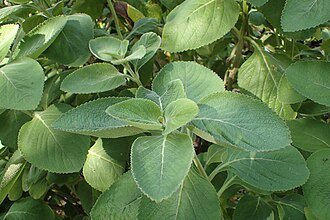
Botanical Reference 1: Coleus barbatus — Botanical specimen
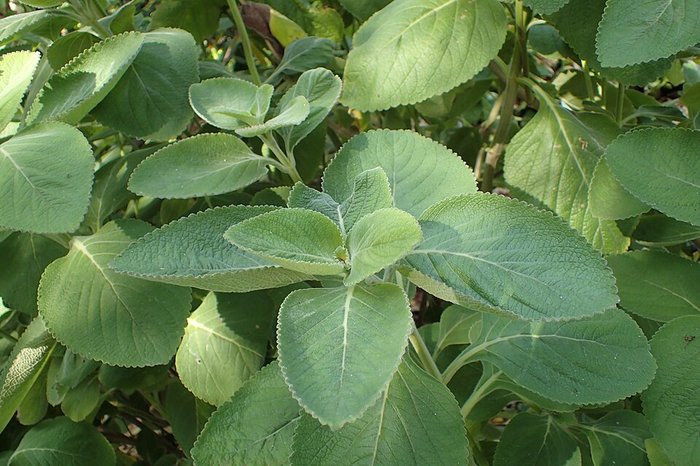
Botanical Reference 2: Coleus barbatus — Botanical specimen
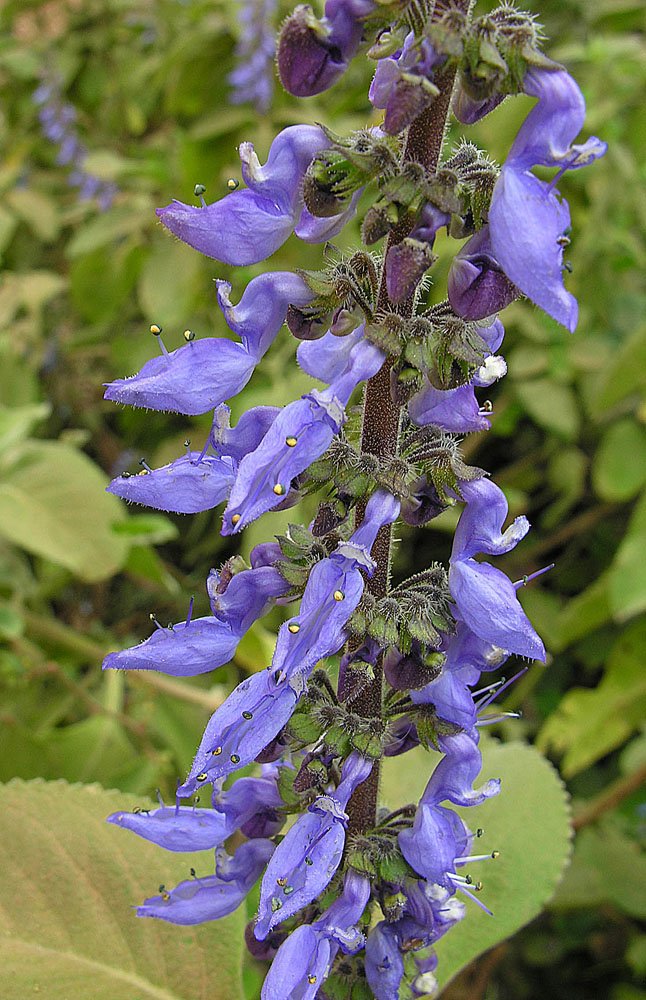
Botanical Reference 3: Coleus barbatus — Wikimedia Commons reference
4. Comparative Genus & Family Pharmacognosy
Taxonomically, the genus Coleus comprises 3 distinct medicinal species in Indian herbal literature. Closely allied congeneric species include: Coleus amboinicus (Action: Leaf—used in urinary diseases, vaginal discharge, colic and dyspepsia. Stimulates…); Coleus vettiveroides (Action: Leaves—cooling and carminative, used for indigestion, dyspepsia, dysentery, also…). Comparing Coleus barbatus alongside its congeners in genus Coleus highlights both shared secondary metabolite classes and species-specific organotropism across different ecological zones.
At the family level, Lamiaceae encompasses 8 documented medicinal species (0.44% of the 1,814-species flora). Other representative medicinal members of Lamiaceae include: Coleus amboinicus (Parna-yavaani), Coleus vettiveroides (Hrivera), Dracocephalum moldavica (Raam Tulasi), Melissa axillaris, Micromeria capitellata (Pudinaa). In comparative pharmacognosy, evaluating species within the same botanical family aids quality control, authentication of crude drugs, and identification of chemotaxonomic markers.
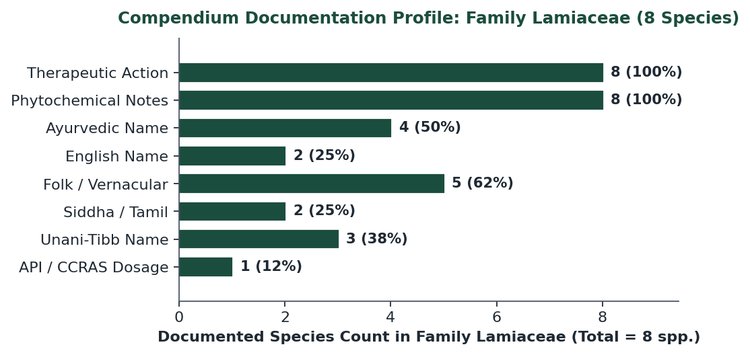
Figure 2: Quantitative documentation profile across all 8 medicinal species of family Lamiaceae.
5. Pharmacopoeial Standards, Posology & Reference Framework
In clinical and traditional dispensing, preparation and administration of Coleus barbatus follow the plant-part modalities specified under its therapeutic action (Root and leaf—spasmolytic, antithrombotic, anti-inflammatory, lipolytic), guided by the standard posological principles of The Ayurvedic Pharmacopoeia of India (Vols. I–IV) and CCRAS formularies. Classical and modern pharmacognostic synchronization for Coleus barbatus integrates standards from The Ayurvedic Pharmacopoeia of India, The National Formulary of Unani Medicine, Formulary of Siddha Medicine, The Wealth of India (CSIR), Compendium of Indian Medicinal Plants (CDRI), Dictionary of Indian Medicinal Plants (CIMAP), German Commission E, ESCOP, WHO monographs, British Herbal Pharmacopoeia, and Natural Medicines Comprehensive Database.