Cordia rothii Roem. & Schult.
1. Taxonomic, Nomenclature & Therapeutic Summary Table
| Botanical Attribute | Pharmacognostic & Therapeutic Specification |
|---|---|
| Family | Boraginaceae. |
| Habitat | Rajasthan, Gujarat, Deccan and Karnataka. |
| English | Sebestan (smaller var.) |
| Ayurvedic | Laghu-shleshmaataka, Lisodaa. |
| Siddha / Tamil | Naruvili. |
| Folk | Gondi. |
| Action | See C. myxa. |
| Taxonomic Cohort | Genus Cordia (3 documented species); Family Boraginaceae (16 documented species). |
2. Classical Nomenclature, Taxonomy & Biogeographical Context
Cordia rothii (taxonomically cited with authority Roem. & Schult.) is an established medicinal plant species in Indian materia medica. It is classified under the botanical family Boraginaceae (primary family classification: Boraginaceae), placing it within a well-defined chemotaxonomic group of medicinal flora. Within botanical taxonomy, this taxon is cataloged directly under its primary accepted binomial without secondary botanical synonyms. Biogeographically, its documented habitat and ecological distribution span: Rajasthan, Gujarat, Deccan and Karnataka.
Across classical and vernacular Indian systems of medicine, Cordia rothii is recognized under distinct polyglot nomenclature: in English botanical and trade usage as Sebestan (smaller var.); in the Ayurvedic system (synchronized across The Ayurvedic Pharmacopoeia of India, CCRAS Standard Nomenclature, Sharangadhara Samhita, and Bhava Prakash) as Laghu-shleshmaataka, Lisodaa; in the Siddha and Tamil medical tradition (compiled from the Formulary of Siddha Medicine and IMPCOPS Chennai) as Naruvili; in regional Indian folk and vernacular ethnobotany as Gondi. Romanized Sanskrit and Ayurvedic spellings follow standard National Academy of Ayurveda (Rashtriya Ayurveda Vidyapeeth) transliteration conventions, using double vowels to preserve authentic classical pronunciation across regional medical traditions.
3. Therapeutic Actions, Phytochemistry & Pharmacological Profile
In therapeutic and clinical pharmacognosy, the primary recorded actions and clinical indications of Cordia rothii are: See C. myxa. These traditional and clinical attributes reflect the plant part-specific pharmacological profile documented across classical Indian treatises and modern herbal pharmacopoeias.
Experimental phytochemistry, active chemical constituents, and pharmacological screening studies reported for Cordia rothii establish the following evidence base: Bark—astringent; decoction is used as a gargle.
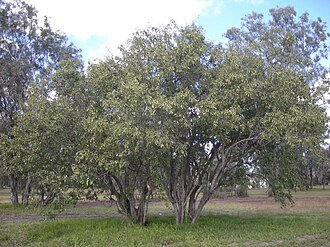
Botanical Reference 1: Cordia sinensis — Botanical specimen
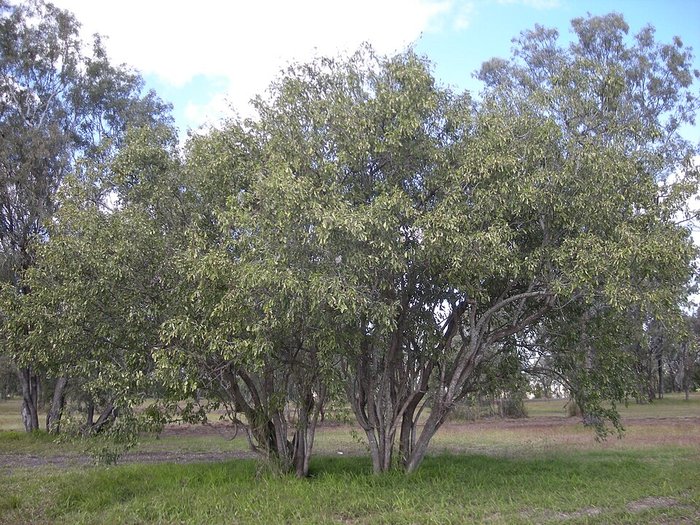
Botanical Reference 2: Cordia sinensis — Botanical specimen
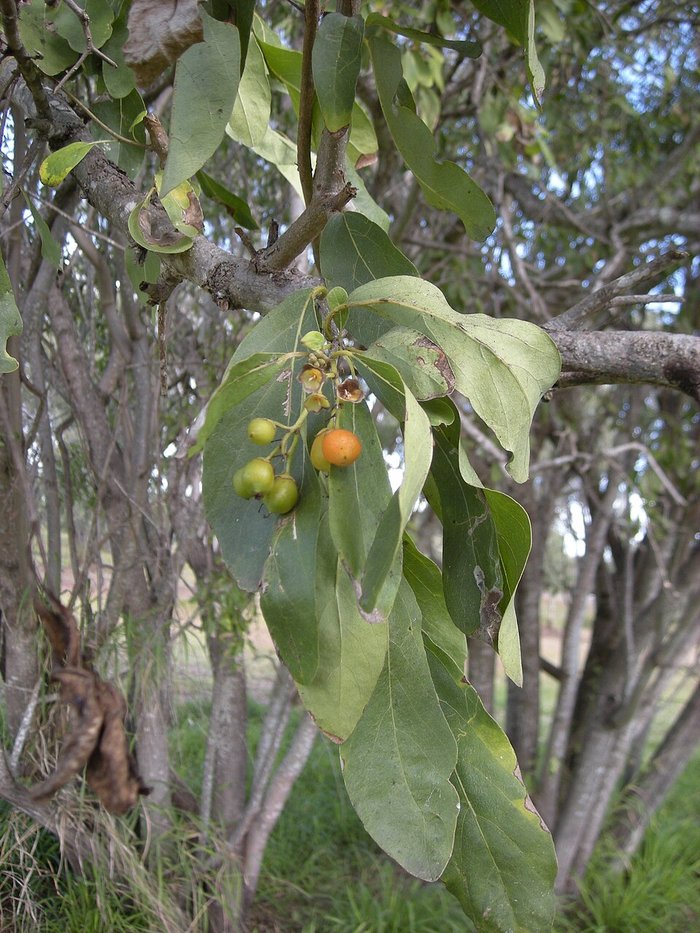
Botanical Reference 3: Cordia rothii — Wikimedia Commons reference
4. Comparative Genus & Family Pharmacognosy
Taxonomically, the genus Cordia comprises 3 distinct medicinal species in Indian herbal literature. Closely allied congeneric species include: Cordia myxa (Action: Fruit—astringent, demulcent, expectorant, diuretic, anthelmintic, mucilaginous….); Cordia wallichii (Action: Fruit—astringent, demulcent, expectorant. See C. myxa). Comparing Cordia rothii alongside its congeners in genus Cordia highlights both shared secondary metabolite classes and species-specific organotropism across different ecological zones.
At the family level, Boraginaceae encompasses 16 documented medicinal species (0.88% of the 1,814-species flora). Other representative medicinal members of Boraginaceae include: Alkanna tinctoria (Alkanet), Anchusa italica (Gojihvikaa), Arnebia benthamii (Kashmiri Gaozabaan), Borago officinalis (Borage), Caccinia crassifolia. In comparative pharmacognosy, evaluating species within the same botanical family aids quality control, authentication of crude drugs, and identification of chemotaxonomic markers.
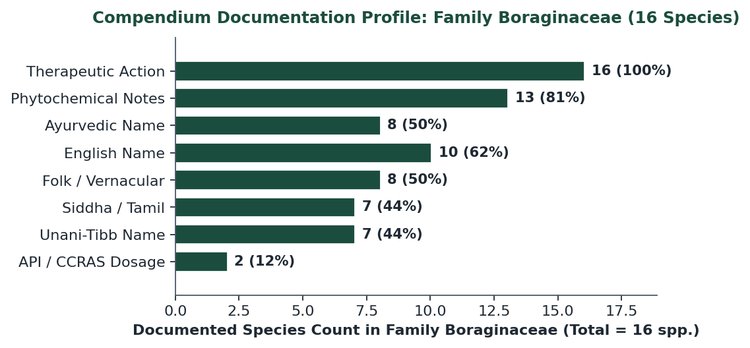
Figure 1: Quantitative documentation profile across all 16 medicinal species of family Boraginaceae.
5. Pharmacopoeial Standards, Posology & Reference Framework
In clinical and traditional dispensing, preparation and administration of Cordia rothii follow the plant-part modalities specified under its therapeutic action (See C. myxa), guided by the standard posological principles of The Ayurvedic Pharmacopoeia of India (Vols. I–IV) and CCRAS formularies. Classical and modern pharmacognostic synchronization for Cordia rothii integrates standards from The Ayurvedic Pharmacopoeia of India, The National Formulary of Unani Medicine, Formulary of Siddha Medicine, The Wealth of India (CSIR), Compendium of Indian Medicinal Plants (CDRI), Dictionary of Indian Medicinal Plants (CIMAP), German Commission E, ESCOP, WHO monographs, British Herbal Pharmacopoeia, and Natural Medicines Comprehensive Database.