Allium sativum Linn.
1. Taxonomic, Nomenclature & Therapeutic Summary Table
| Botanical Attribute | Pharmacognostic & Therapeutic Specification |
|---|---|
| Family | Liliaceae, Alliaceae. |
| Habitat | Native to Central Asia. Cultivated all over India. |
| English | Garlic. |
| Ayurvedic | Lashuna, Rasona, Yavaneshta, Ugragandha, Mahaushadh, Arishta. |
| Unani | Seer, Lahsun. |
| Siddha / Tamil | Ullippoondu, Vellaippondu. |
| Action | Antibiotic, bacteriostatic, fungicide, anthelmintic, antithrombic, hypotensive, hypoglycaemic, hypocholesterolaemic. Also used for upper respiratory tract infections and catarrhal conditions. |
| Key Application | As a supportive to dietary measures for elevated levels of lipids in blood; as a preventive measure for age-dependent vascular changes. (German Commission E, ESCOP, WHO, The British Herbal Pharmacopoeia.) Also as an antimicrobial. (The British Herbal Pharmacopoeia). Garlic has been shown to be effective in respiratory infections and catarrhal conditions. (The British Herbal Compendium.) |
| Dosage | Bulb—3 g (API Vol. III.) |
| Taxonomic Cohort | Genus Allium (6 documented species); Family Liliaceae (43 documented species). |
2. Classical Nomenclature, Taxonomy & Biogeographical Context
Allium sativum (taxonomically cited with authority Linn.) is an established medicinal plant species in Indian materia medica. It is classified under the botanical family Liliaceae, Alliaceae (primary family classification: Liliaceae), placing it within a well-defined chemotaxonomic group of medicinal flora. Within botanical taxonomy, this taxon is cataloged directly under its primary accepted binomial without secondary botanical synonyms. Biogeographically, its documented habitat and ecological distribution span: Native to Central Asia. Cultivated all over India.
Across classical and vernacular Indian systems of medicine, Allium sativum is recognized under distinct polyglot nomenclature: in English botanical and trade usage as Garlic; in the Ayurvedic system (synchronized across The Ayurvedic Pharmacopoeia of India, CCRAS Standard Nomenclature, Sharangadhara Samhita, and Bhava Prakash) as Lashuna, Rasona, Yavaneshta, Ugragandha, Mahaushadh, Arishta; in the Unani-Tibb materia medica (recorded in The National Formulary of Unani Medicine and CCRUM literature) as Seer, Lahsun; in the Siddha and Tamil medical tradition (compiled from the Formulary of Siddha Medicine and IMPCOPS Chennai) as Ullippoondu, Vellaippondu. Romanized Sanskrit and Ayurvedic spellings follow standard National Academy of Ayurveda (Rashtriya Ayurveda Vidyapeeth) transliteration conventions, using double vowels to preserve authentic classical pronunciation across regional medical traditions.
3. Therapeutic Actions, Phytochemistry & Pharmacological Profile
In therapeutic and clinical pharmacognosy, the primary recorded actions and clinical indications of Allium sativum are: Antibiotic, bacteriostatic, fungicide, anthelmintic, antithrombic, hypotensive, hypoglycaemic, hypocholesterolaemic. Also used for upper respiratory tract infections and catarrhal conditions. These traditional and clinical attributes reflect the plant part-specific pharmacological profile documented across classical Indian treatises and modern herbal pharmacopoeias. Furthermore, international and national regulatory monographs highlight its validated key clinical application: As a supportive to dietary measures for elevated levels of lipids in blood; as a preventive measure for age-dependent vascular changes. (German Commission E, ESCOP, WHO, The British Herbal Pharmacopoeia.) Also as an antimicrobial. (The British Herbal Pharmacopoeia). Garlic has been shown to be effective in respiratory infections and catarrhal conditions. (The British Herbal Compendium.).
Experimental phytochemistry, active chemical constituents, and pharmacological screening studies reported for Allium sativum establish the following evidence base: The Ayurvedic Pharmacopoeia of India indicates the use of the bulb as a brain tonic in epilepsy and psychic disorders. Heavy consumption of garlic prior to surgery led to increased clotting time or reduced platelet aggregation (in human case reports). Garlic tablets at a dose of 400 mg twice daily for 12 weeks reduced platelet aggregation 59% compared with placebo in 80 patients (in human clinical study). (Francis Brinker.) Garlic cloves are high in sulphurcontaining amino acids known as alliin (no taste, no smell, no medicinal action). With crushing or chewing alliin comes into contact with the enzyme alliinase. Alliinase, in less than 6 s, transforms alliin into allicin (strongly medicinal), which breaks down into a number of sulphur compounds including ajoene, vinyldithin and diallyl disulfide, and trisulfide. The antibiotic effect is attributed to allicin; hypoglycaemic effect to allicin and allylprophyldisulphide (also to S-allyl cysteine sulfoxide); anticarcinogenic activity to diallyl monosulfide; platelet aggregation inhibitory effect to diallyl-di- and tri-sulphides. Ajoene inactivated human gastric lipase, which is involved in digestion and absorption of dietary fats. Diallyltetra, penta-, hexa- and heptasulphides are potential antioxidants. Allium leptophyllum Wall. is equated with Vana Lashuna, Jangali Lahsun.
In specialized pharmacognostic classifications, Allium sativum is also listed among standardized commercial herbal extracts used in India with defined quantitative phytochemical markers; and documented among specialized herbal extracts utilized for cosmetic, dermatological, and topical applications.
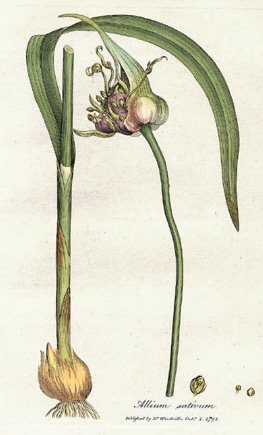
Botanical Reference 1: Garlic — Botanical specimen
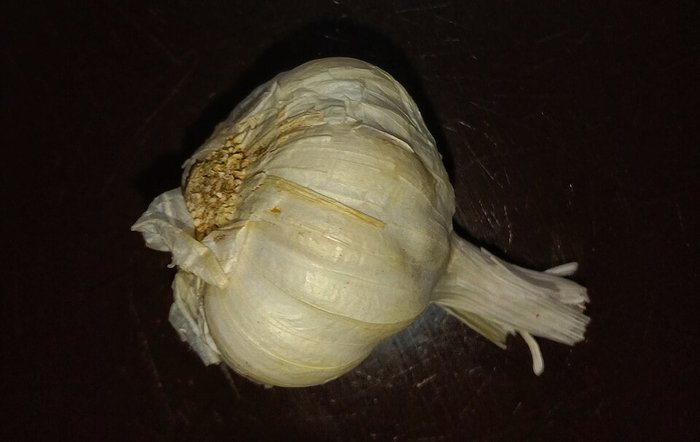
Botanical Reference 2: Allium sativum — Wikimedia Commons reference
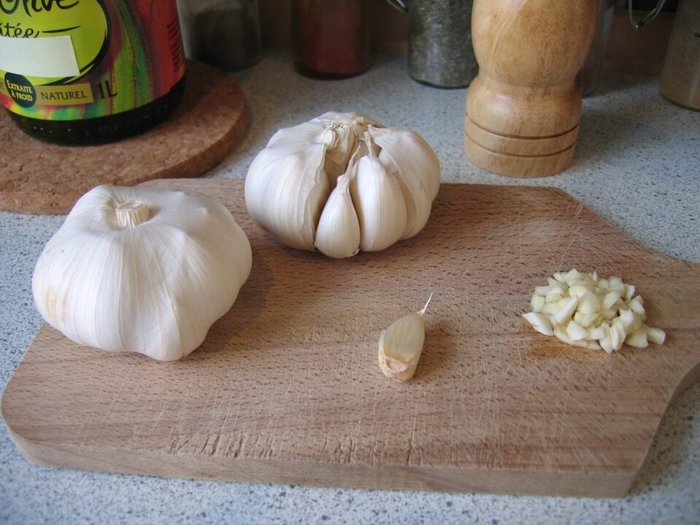
Botanical Reference 3: Allium sativum — Wikimedia Commons reference
4. Comparative Genus & Family Pharmacognosy
Taxonomically, the genus Allium comprises 6 distinct medicinal species in Indian herbal literature. Closely allied congeneric species include: Allium ascalonicum (Action: Anticoagulant, fibrinolytic, hypocholesterolaemic); Allium cepa (Action: Antibiotic, antibacterial, antisclerotic, anticoagulant, anti-inflammatory…); Allium macleanii (Action: Anabolic and gastrointestinal tonic); Allium porrum (Action: Expectorant; used as a substitute for garlic); Allium schoenoprasum (Action: Used in place of young onions). Comparing Allium sativum alongside its congeners in genus Allium highlights both shared secondary metabolite classes and species-specific organotropism across different ecological zones.
At the family level, Liliaceae encompasses 43 documented medicinal species (2.37% of the 1,814-species flora). Other representative medicinal members of Liliaceae include: Allium ascalonicum (Grnjana), Allium cepa (Palaandu), Allium macleanii (Oriental Royal Salep), Allium porrum (Leek), Aloe barbadensis (Kanyaasaara). In comparative pharmacognosy, evaluating species within the same botanical family aids quality control, authentication of crude drugs, and identification of chemotaxonomic markers.
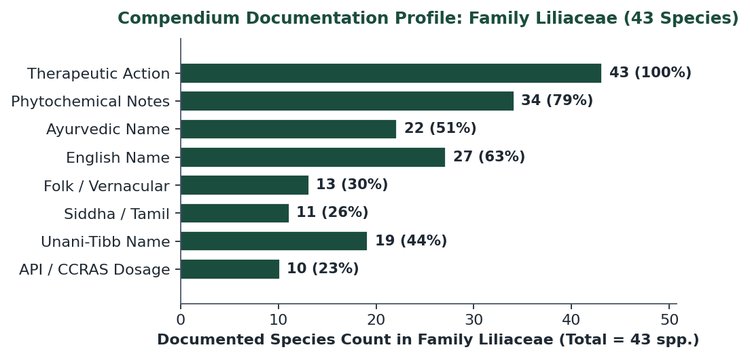
Figure 1: Quantitative documentation profile across all 43 medicinal species of family Liliaceae.
5. Pharmacopoeial Standards, Posology & Reference Framework
For clinical and traditional dispensing, the standardized posology and crude herb dosage for Allium sativum are prescribed as follows: Bulb—3 g (API Vol. III.). Crude drug dosages are calibrated against The Ayurvedic Pharmacopoeia of India (Vols. I–IV) and the Standard Nomenclature of Ayurvedic Medicinal Plants published by the Central Council for Research in Ayurveda and Siddha (CCRAS). Classical and modern pharmacognostic synchronization for Allium sativum integrates standards from The Ayurvedic Pharmacopoeia of India, The National Formulary of Unani Medicine, Formulary of Siddha Medicine, The Wealth of India (CSIR), Compendium of Indian Medicinal Plants (CDRI), Dictionary of Indian Medicinal Plants (CIMAP), German Commission E, ESCOP, WHO monographs, British Herbal Pharmacopoeia, and Natural Medicines Comprehensive Database.