Areca catechu Linn.
1. Taxonomic, Nomenclature & Therapeutic Summary Table
| Botanical Attribute | Pharmacognostic & Therapeutic Specification |
|---|---|
| Family | Palmae; Arecaceae. |
| Habitat | Native to Malaysia; now grown along the coasts of Karnataka, Kerala, Tamil Nadu, West Bengal, Assam and Maharashtra. |
| English | Arecanut, Betel Nut. |
| Ayurvedic | Puuga, Puugi, Kramuka, Ghontaa, Guwaak, Ghorant. |
| Unani | Fufal, Chhaalia, Supaari. |
| Siddha / Tamil | Kottai Paakku, Kamugu. |
| Action | Taeniacide (confined to veterinary medicine), astringent, stimulant. |
| Dosage | Dried ripe fruit—1–2 g powder. (API Vol. I.) |
| Taxonomic Cohort | Genus Areca (1 documented species); Family Palmae (13 documented species). |
2. Classical Nomenclature, Taxonomy & Biogeographical Context
Areca catechu (taxonomically cited with authority Linn.) is an established medicinal plant species in Indian materia medica. It is classified under the botanical family Palmae; Arecaceae (primary family classification: Palmae), placing it within a well-defined chemotaxonomic group of medicinal flora. Within botanical taxonomy, this taxon is cataloged directly under its primary accepted binomial without secondary botanical synonyms. Biogeographically, its documented habitat and ecological distribution span: Native to Malaysia; now grown along the coasts of Karnataka, Kerala, Tamil Nadu, West Bengal, Assam and Maharashtra.
Across classical and vernacular Indian systems of medicine, Areca catechu is recognized under distinct polyglot nomenclature: in English botanical and trade usage as Arecanut, Betel Nut; in the Ayurvedic system (synchronized across The Ayurvedic Pharmacopoeia of India, CCRAS Standard Nomenclature, Sharangadhara Samhita, and Bhava Prakash) as Puuga, Puugi, Kramuka, Ghontaa, Guwaak, Ghorant; in the Unani-Tibb materia medica (recorded in The National Formulary of Unani Medicine and CCRUM literature) as Fufal, Chhaalia, Supaari; in the Siddha and Tamil medical tradition (compiled from the Formulary of Siddha Medicine and IMPCOPS Chennai) as Kottai Paakku, Kamugu. Romanized Sanskrit and Ayurvedic spellings follow standard National Academy of Ayurveda (Rashtriya Ayurveda Vidyapeeth) transliteration conventions, using double vowels to preserve authentic classical pronunciation across regional medical traditions.
3. Therapeutic Actions, Phytochemistry & Pharmacological Profile
In therapeutic and clinical pharmacognosy, the primary recorded actions and clinical indications of Areca catechu are: Taeniacide (confined to veterinary medicine), astringent, stimulant. These traditional and clinical attributes reflect the plant part-specific pharmacological profile documented across classical Indian treatises and modern herbal pharmacopoeias.
Experimental phytochemistry, active chemical constituents, and pharmacological screening studies reported for Areca catechu establish the following evidence base: Along with other therapeutic application, The Ayurvedic Pharmacopoeia of India indicates the use of dried ripe seed in leucorrhoea and vaginal laxity. Arecanut contains several alkaloids belonging to pyridine group, the most important being arecoline (0.1–0.5%). Arecaidine, guvacine and isoguvacine are also present. Arecoline is anthelmintic (in animals, not in humans). Arecaidine has no parasympathomimetic effects, but only stimulating properties; sedative in higher doses. Isoguvacine produces hypotension. Contraindicated in asthma due to bronchoconstrictive effects of the alkaloid arecoline (human case reports). (Francis Brinker.) Arecanut tannins (8.0–18.0%) are predominantly catechol tannins which closely resemble Mimosa bark tannins. Powdered nuts are prescribed in diarrhoea and urinary disorders. In combination with other astringent and styptic herbs, arecanut is used as a major constituent in confections of Indian medicine for gynaecological disorders. Aqueous extract of the nut exhibits direct vasoconstriction and adrenaline potentiation in rats. Antimicrobial activity is due to polyphenolic fraction. Tannins potentiated the action of acetylcholine in ileum and uterus of rat and noradrenaline on seminal vesicle at low concentration. Due to increased incidence of oral cancer associated with betel chewing, the use of arecanut as a masticatory is being discouraged. Seeds are toxic at 8–10 g, fluid extract at 3.7 ml; and arecoline hydrobromide at 4.3–6.5 mg. (Francis Brinker.)
In specialized pharmacognostic classifications, Areca catechu is also represented by authenticated macro-photographic crude drug specimens in institutional pharmacognostic collections.
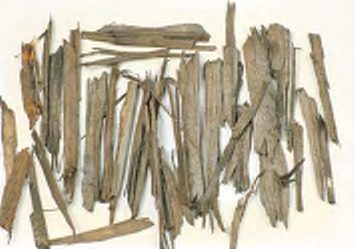
Figure 1: Authenticated crude herb specimen — Areca catechu red/common nut.
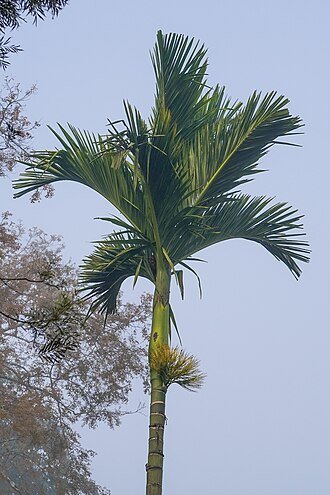
Botanical Reference 1: Areca catechu — Botanical specimen
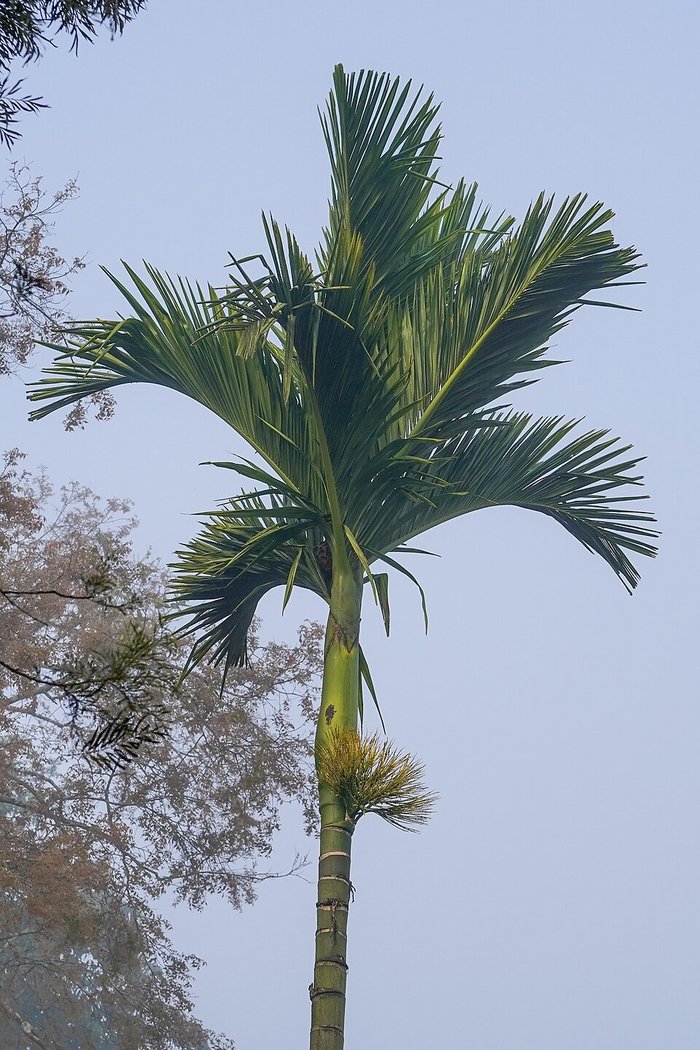
Botanical Reference 2: Areca catechu — Botanical specimen
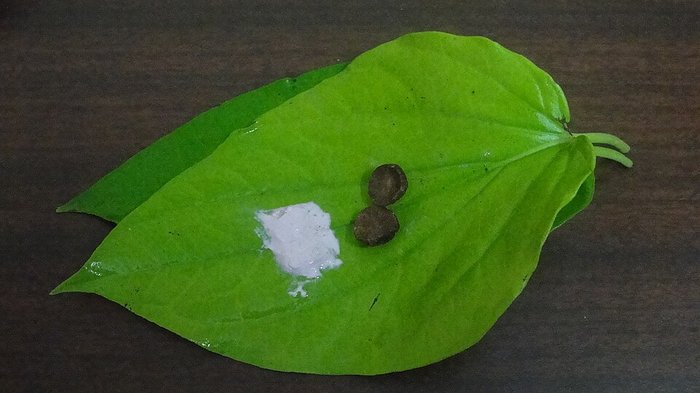
Botanical Reference 3: Areca catechu — Wikimedia Commons reference
4. Comparative Genus & Family Pharmacognosy
Within Indian medicinal flora, Areca catechu stands as a distinct representative of the genus Areca. Its therapeutic profile underscores the role of selectively utilized medicinal genera alongside larger polytypic genera.
At the family level, Palmae encompasses 13 documented medicinal species (0.72% of the 1,814-species flora). Other representative medicinal members of Palmae include: Borassus flabellifer (Taala), Calamus rotang (Vetra), Calamus tenuis (Vetra), Calamus travancoricus (Vetra), Cocos nucifera (Naarikela). In comparative pharmacognosy, evaluating species within the same botanical family aids quality control, authentication of crude drugs, and identification of chemotaxonomic markers.
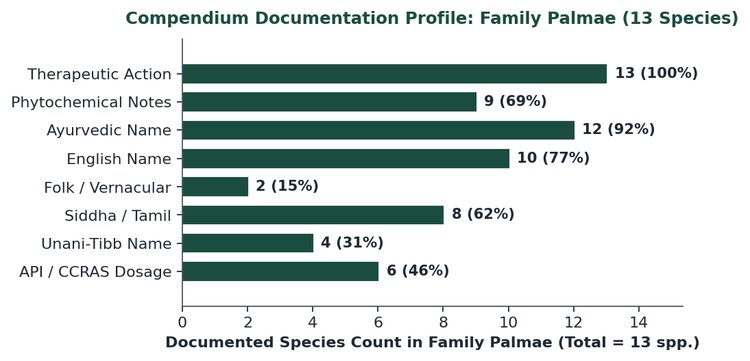
Figure 2: Quantitative documentation profile across all 13 medicinal species of family Palmae.
5. Pharmacopoeial Standards, Posology & Reference Framework
For clinical and traditional dispensing, the standardized posology and crude herb dosage for Areca catechu are prescribed as follows: Dried ripe fruit—1–2 g powder. (API Vol. I.). Crude drug dosages are calibrated against The Ayurvedic Pharmacopoeia of India (Vols. I–IV) and the Standard Nomenclature of Ayurvedic Medicinal Plants published by the Central Council for Research in Ayurveda and Siddha (CCRAS). Classical and modern pharmacognostic synchronization for Areca catechu integrates standards from The Ayurvedic Pharmacopoeia of India, The National Formulary of Unani Medicine, Formulary of Siddha Medicine, The Wealth of India (CSIR), Compendium of Indian Medicinal Plants (CDRI), Dictionary of Indian Medicinal Plants (CIMAP), German Commission E, ESCOP, WHO monographs, British Herbal Pharmacopoeia, and Natural Medicines Comprehensive Database.