Cannabis sativa Linn.
1. Taxonomic, Nomenclature & Therapeutic Summary Table
| Botanical Attribute | Pharmacognostic & Therapeutic Specification |
|---|---|
| Synonym | C. indica Linn. |
| Note | Cannabinaceae. Family |
| Habitat | Cultivated all over the country. Commonly occurs in waste grounds, along road side, often becoming gregarious along the irrigation channels of gardens. |
| English | Hemp, Indian Hemp. |
| Ayurvedic | Vijayaa, Bhangaa, Maadani, Maatulaani, Indraasana, Trailokya-vijayaa, Tribhuvanavijayaa, Shukranaashana, Ganjaa, Bhangaa. (Bhangaa is consumed orally; Ganjaa and charas are usually smoked.) |
| Unani | Bhang, Charas, Qinnab. |
| Siddha / Tamil | Ganja. |
| Folk | Bhaanga. |
| Action | Hallucinogenic, hypnotic, sedative, analgesic, antiinflammatory, Hemp derivatives are suggested for treating glaucoma and as an antiemetic in cancer chemotherapy. All variants produce initial excitement followed by depression. |
| Dosage | Dried leaves, after removing turbity—125–250 mg powder. (API Vol. I.) |
| Taxonomic Cohort | Genus Cannabis (1 documented species); Family Unclassified (12 documented species). |
2. Classical Nomenclature, Taxonomy & Biogeographical Context
Cannabis sativa (taxonomically cited with authority Linn.) is an established medicinal plant species in Indian materia medica. It is cataloged as a specialized classical drug entry within Indian medicinal flora. In classical and modern botanical literature, the species is cross-referenced under the botanical synonymy C. indica Linn, which is synchronized to prevent taxonomic ambiguity across regional herbal formularies. Biogeographically, its documented habitat and ecological distribution span: Cultivated all over the country. Commonly occurs in waste grounds, along road side, often becoming gregarious along the irrigation channels of gardens.
Across classical and vernacular Indian systems of medicine, Cannabis sativa is recognized under distinct polyglot nomenclature: in English botanical and trade usage as Hemp, Indian Hemp; in the Ayurvedic system (synchronized across The Ayurvedic Pharmacopoeia of India, CCRAS Standard Nomenclature, Sharangadhara Samhita, and Bhava Prakash) as Vijayaa, Bhangaa, Maadani, Maatulaani, Indraasana, Trailokya-vijayaa, Tribhuvanavijayaa, Shukranaashana, Ganjaa, Bhangaa. (Bhangaa is consumed orally; Ganjaa and charas are usually smoked.); in the Unani-Tibb materia medica (recorded in The National Formulary of Unani Medicine and CCRUM literature) as Bhang, Charas, Qinnab; in the Siddha and Tamil medical tradition (compiled from the Formulary of Siddha Medicine and IMPCOPS Chennai) as Ganja; in regional Indian folk and vernacular ethnobotany as Bhaanga. Romanized Sanskrit and Ayurvedic spellings follow standard National Academy of Ayurveda (Rashtriya Ayurveda Vidyapeeth) transliteration conventions, using double vowels to preserve authentic classical pronunciation across regional medical traditions.
3. Therapeutic Actions, Phytochemistry & Pharmacological Profile
In therapeutic and clinical pharmacognosy, the primary recorded actions and clinical indications of Cannabis sativa are: Hallucinogenic, hypnotic, sedative, analgesic, antiinflammatory, Hemp derivatives are suggested for treating glaucoma and as an antiemetic in cancer chemotherapy. All variants produce initial excitement followed by depression. These traditional and clinical attributes reflect the plant part-specific pharmacological profile documented across classical Indian treatises and modern herbal pharmacopoeias.
Experimental phytochemistry, active chemical constituents, and pharmacological screening studies reported for Cannabis sativa establish the following evidence base: Cannabis yields 421 chemicals of various classes—cannabinoids, cannabispirans and alkaloids. More than 60 cannabinoids have been isolated, the most important one is delta-9tetrahydrocannabinol (THC). Toxic constituents are readily absorbed, excreted in urine and feces, stored in lipid tissues, especially CNS, crosses placenta. High doses in animals have damaged developing embryos and resulted in birth defects. (Francis Brinker.)
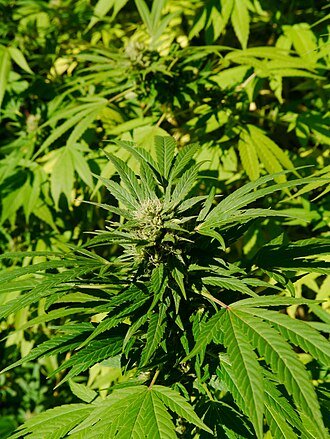
Botanical Reference 1: Cannabis sativa — Botanical specimen
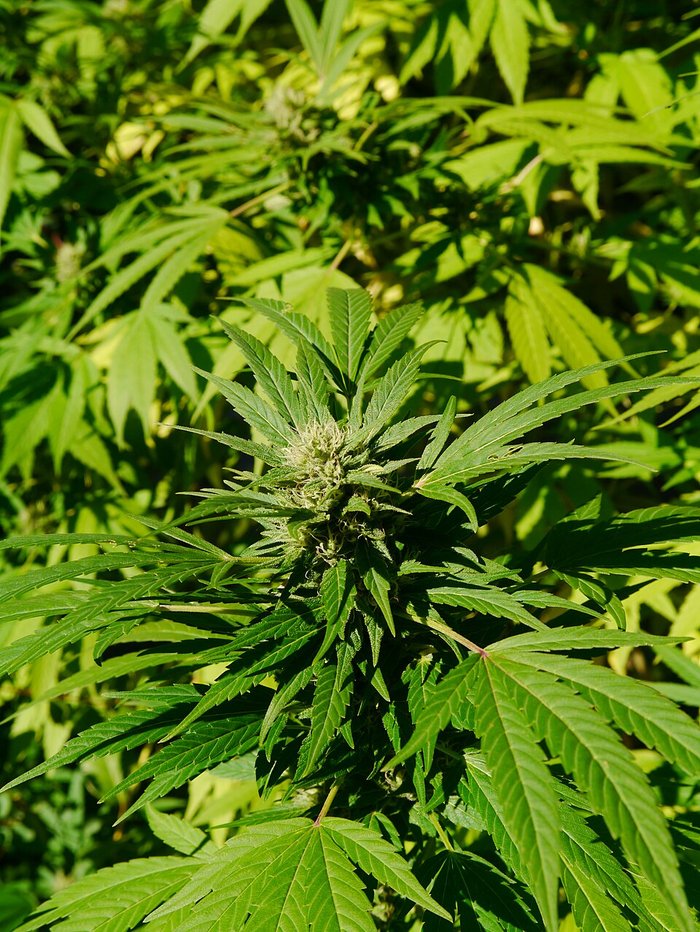
Botanical Reference 2: Cannabis sativa — Botanical specimen
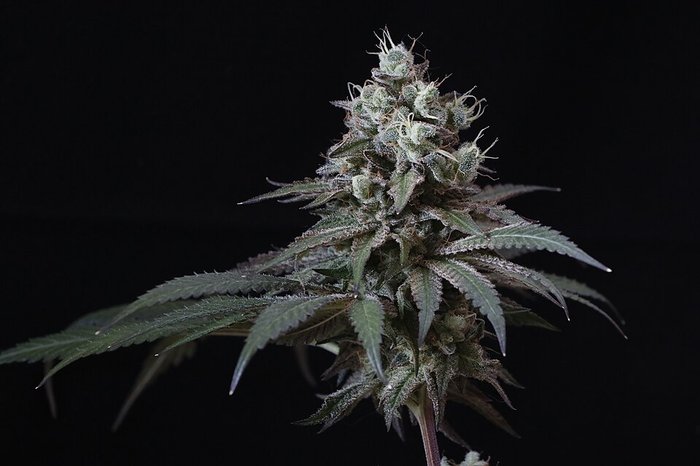
Botanical Reference 3: Cannabis sativa — Wikimedia Commons reference
4. Comparative Genus & Family Pharmacognosy
Within Indian medicinal flora, Cannabis sativa stands as a distinct representative of the genus Cannabis. Its therapeutic profile underscores the role of selectively utilized medicinal genera alongside larger polytypic genera.
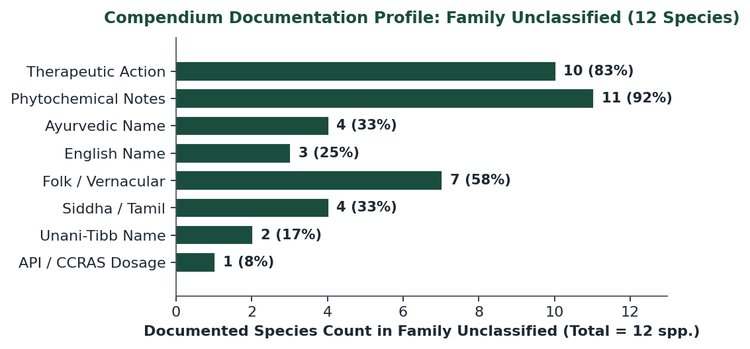
Figure 1: Quantitative documentation profile across all 12 medicinal species of family Unclassified.
5. Pharmacopoeial Standards, Posology & Reference Framework
For clinical and traditional dispensing, the standardized posology and crude herb dosage for Cannabis sativa are prescribed as follows: Dried leaves, after removing turbity—125–250 mg powder. (API Vol. I.). Crude drug dosages are calibrated against The Ayurvedic Pharmacopoeia of India (Vols. I–IV) and the Standard Nomenclature of Ayurvedic Medicinal Plants published by the Central Council for Research in Ayurveda and Siddha (CCRAS). Classical and modern pharmacognostic synchronization for Cannabis sativa integrates standards from The Ayurvedic Pharmacopoeia of India, The National Formulary of Unani Medicine, Formulary of Siddha Medicine, The Wealth of India (CSIR), Compendium of Indian Medicinal Plants (CDRI), Dictionary of Indian Medicinal Plants (CIMAP), German Commission E, ESCOP, WHO monographs, British Herbal Pharmacopoeia, and Natural Medicines Comprehensive Database.