Cedrus deodara (Roxb.) Loud.
1. Taxonomic, Nomenclature & Therapeutic Summary Table
| Botanical Attribute | Pharmacognostic & Therapeutic Specification |
|---|---|
| Synonym | C. libani Barrel. var. deodara Hook. f. |
| Family | Pinaceae. |
| Habitat | North-western Himalayas from Kashmir to Garhwal, from 1,000 to 3,500 m. |
| English | Himalayan Cedar, Deodar. |
| Ayurvedic | Devadaaru, Suradruma, Suradaaru, Devakaashtha, Devadruma, Saptapatrika, Daaru, Bhadradaaru, Amarataru, Amaradaaru, Daaruka, Devaahvaa, Surataru, Surabhuruha. |
| Unani | Deodaar. |
| Siddha / Tamil | Thevathaaram. |
| Action | Bark—decoction is used internally as astringent, antidiarrhoeal and febrifuge. Essential oil—antiseptic (used in skin diseases). |
| Dosage | Heartwood—3–6 g powder. (API Vol. IV.) |
| Taxonomic Cohort | Genus Cedrus (1 documented species); Family Pinaceae (12 documented species). |
2. Classical Nomenclature, Taxonomy & Biogeographical Context
Cedrus deodara (taxonomically cited with authority (Roxb.) Loud.) is an established medicinal plant species in Indian materia medica. It is classified under the botanical family Pinaceae (primary family classification: Pinaceae), placing it within a well-defined chemotaxonomic group of medicinal flora. In classical and modern botanical literature, the species is cross-referenced under the botanical synonymy C. libani Barrel. var. deodara Hook. f, which is synchronized to prevent taxonomic ambiguity across regional herbal formularies. Biogeographically, its documented habitat and ecological distribution span: North-western Himalayas from Kashmir to Garhwal, from 1,000 to 3,500 m.
Across classical and vernacular Indian systems of medicine, Cedrus deodara is recognized under distinct polyglot nomenclature: in English botanical and trade usage as Himalayan Cedar, Deodar; in the Ayurvedic system (synchronized across The Ayurvedic Pharmacopoeia of India, CCRAS Standard Nomenclature, Sharangadhara Samhita, and Bhava Prakash) as Devadaaru, Suradruma, Suradaaru, Devakaashtha, Devadruma, Saptapatrika, Daaru, Bhadradaaru, Amarataru, Amaradaaru, Daaruka, Devaahvaa, Surataru, Surabhuruha; in the Unani-Tibb materia medica (recorded in The National Formulary of Unani Medicine and CCRUM literature) as Deodaar; in the Siddha and Tamil medical tradition (compiled from the Formulary of Siddha Medicine and IMPCOPS Chennai) as Thevathaaram. Romanized Sanskrit and Ayurvedic spellings follow standard National Academy of Ayurveda (Rashtriya Ayurveda Vidyapeeth) transliteration conventions, using double vowels to preserve authentic classical pronunciation across regional medical traditions.
3. Therapeutic Actions, Phytochemistry & Pharmacological Profile
In therapeutic and clinical pharmacognosy, the primary recorded actions and clinical indications of Cedrus deodara are: Bark—decoction is used internally as astringent, antidiarrhoeal and febrifuge. Essential oil—antiseptic (used in skin diseases). These traditional and clinical attributes reflect the plant part-specific pharmacological profile documented across classical Indian treatises and modern herbal pharmacopoeias.
Experimental phytochemistry, active chemical constituents, and pharmacological screening studies reported for Cedrus deodara establish the following evidence base: The Ayurvedic Pharmacopoeia of India indicated the use of the heartwood in puerperal diseases. The wood contains sesquiterpenoids; exhibits sapasmolytic activity. Alcoholic extract of the wood showed marked anti-inflammatory activity in mice; alcoholic extract showed antibacterial activity. The wood possesses diaphoretic, diuretic and carminative properties, and is used in fevers and in pulmonary and urinary disorders. Himalayan Cedarwood Oil contains two major sesquiterpenoids—alphaand beta-himchalenes. Presence of butyric and caproic acids is also reported. The oil shows in vitro antibacterial and antifungal activity. It increases vascular permeability. Needles, on steam distillation, yield a volatile oil, rich in borneol and its esters. An alcoholic extract of the needles shows significant antibacterial activity against diptheria bacteria. The juice shows antiviral activity against tobacco mosaic virus and potato virus. The bark contains 8-C methyltaxifoline, dihydroquercetin, 8-C methylquercetin, quercetin, sitosterol, and tannins 8.25%, non-tannins 6.95% (varies with the age of the tree). An alcoholic extract of the bark shows significant activity against diptheria bacteria; aqueous extract of the dried bark showed anti-inflammatory activity against acute and chronic inflammations. Aqueous extract of the bark is found effective in reducing sugar content of diabetic patient’s urine and blood to normal levels.
In specialized pharmacognostic classifications, Cedrus deodara is also listed among standardized commercial herbal extracts used in India with defined quantitative phytochemical markers; and documented among specialized herbal extracts utilized for cosmetic, dermatological, and topical applications; and represented by authenticated macro-photographic crude drug specimens in institutional pharmacognostic collections.
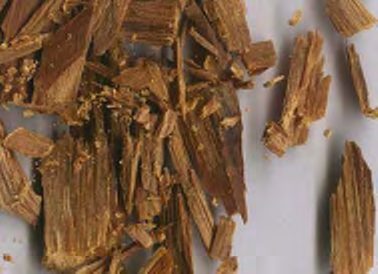
Figure 1: Authenticated crude herb specimen — Cedrus deodara wood.
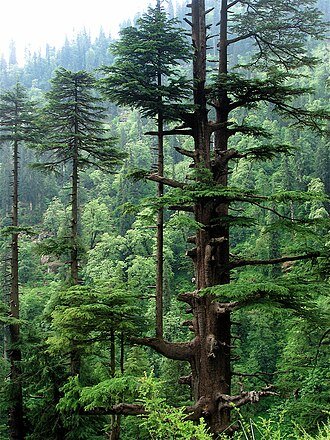
Botanical Reference 1: Cedrus deodara — Botanical specimen
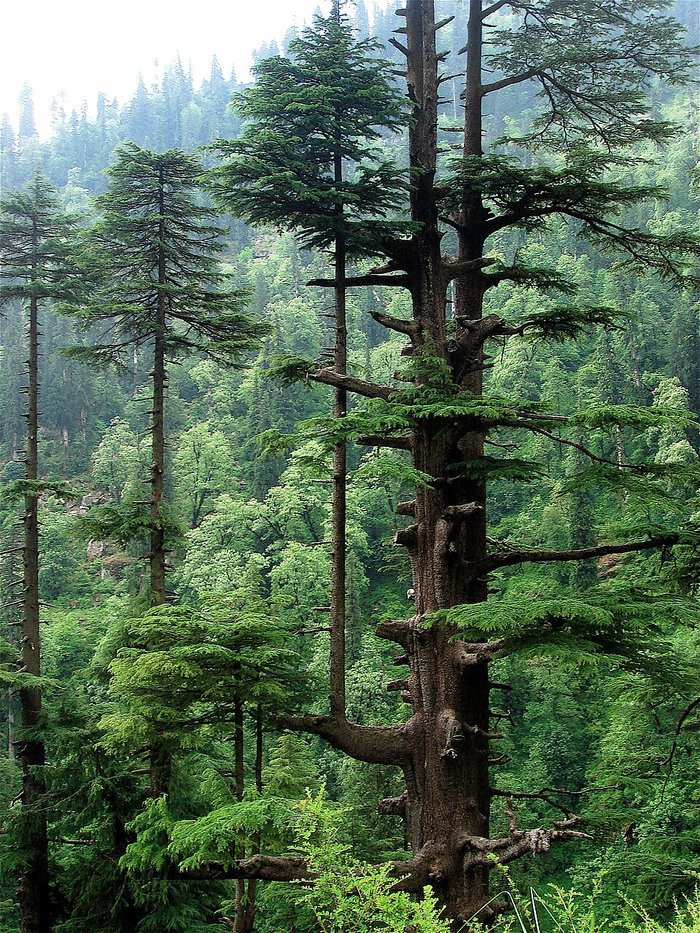
Botanical Reference 2: Cedrus deodara — Botanical specimen
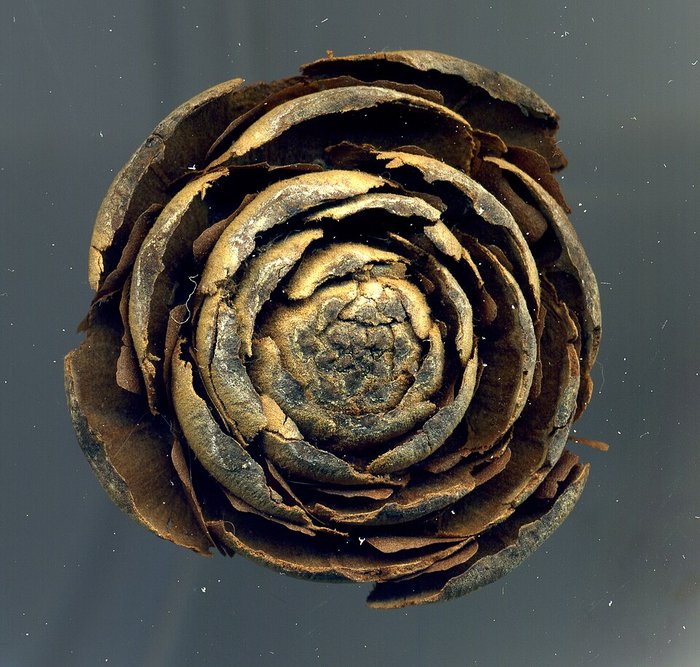
Botanical Reference 3: Cedrus deodara — Wikimedia Commons reference
4. Comparative Genus & Family Pharmacognosy
Within Indian medicinal flora, Cedrus deodara stands as a distinct representative of the genus Cedrus. Its therapeutic profile underscores the role of selectively utilized medicinal genera alongside larger polytypic genera.
At the family level, Pinaceae encompasses 12 documented medicinal species (0.66% of the 1,814-species flora). Other representative medicinal members of Pinaceae include: Abies pindrow (Taalisha), Abies webbiana (Taalisa), Juniperus communis saxatillis (Hapushaa), Juniperus virginiana (Pencil Cedar), Larix griffithiana (Himalayan Larch). In comparative pharmacognosy, evaluating species within the same botanical family aids quality control, authentication of crude drugs, and identification of chemotaxonomic markers.
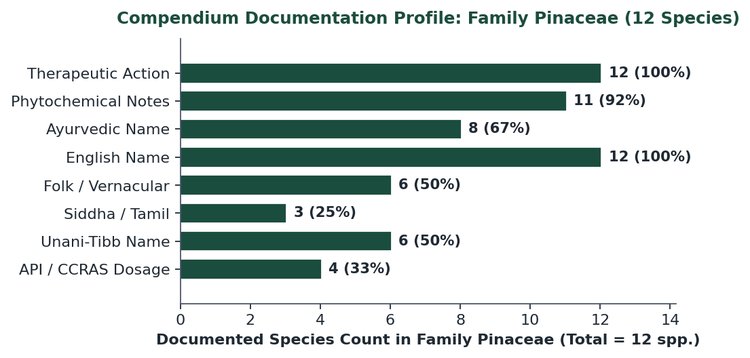
Figure 2: Quantitative documentation profile across all 12 medicinal species of family Pinaceae.
5. Pharmacopoeial Standards, Posology & Reference Framework
For clinical and traditional dispensing, the standardized posology and crude herb dosage for Cedrus deodara are prescribed as follows: Heartwood—3–6 g powder. (API Vol. IV.). Crude drug dosages are calibrated against The Ayurvedic Pharmacopoeia of India (Vols. I–IV) and the Standard Nomenclature of Ayurvedic Medicinal Plants published by the Central Council for Research in Ayurveda and Siddha (CCRAS). Classical and modern pharmacognostic synchronization for Cedrus deodara integrates standards from The Ayurvedic Pharmacopoeia of India, The National Formulary of Unani Medicine, Formulary of Siddha Medicine, The Wealth of India (CSIR), Compendium of Indian Medicinal Plants (CDRI), Dictionary of Indian Medicinal Plants (CIMAP), German Commission E, ESCOP, WHO monographs, British Herbal Pharmacopoeia, and Natural Medicines Comprehensive Database.