Centella asiatica (Linn.) Urban.
1. Taxonomic, Nomenclature & Therapeutic Summary Table
| Botanical Attribute | Pharmacognostic & Therapeutic Specification |
|---|---|
| Synonym | Hydrocotyle asiatica Linn. |
| Family | Umbelliferae; Apiaceae. |
| Habitat | In marshy places throughout India up to 200 m. |
| English | Asiatic Pennywort, Indian Pennywort. |
| Ayurvedic | Manduukaparni, Manduukaparnikaa, Maanduuki, Saraswati, Brahma-manduuki. |
| Siddha / Tamil | Vallaarai. |
| Action | Adaptogen, central nervous system relaxant, peripheral vasodilator, sedative, antibiotic, detoxifier, blood-purifier, laxative, diuretic, emmenagogue. Used as a brain tonic for improving memory and for overcoming mental confusion, stress, fatigue, also used for obstinate skin diseases and leprosy. |
| Key Application | Extracts orally to treat stress-induced stomach and duodenal ulcers; topically to accelerate healing, particularly in cases of chronic postsurgical and post trauma wounds; also to treat second and third degree burns. Patients suffering from venous insufficiency were treated with a titrated extract of the drug. (WHO.) Used in Indian medicine as a brain tonic and sedative. (Indian Herbal Pharmacopoeia.) |
| Dosage | Whole plant—3–6 g (API Vol. IV.) |
| Taxonomic Cohort | Genus Centella (1 documented species); Family Umbelliferae (42 documented species). |
2. Classical Nomenclature, Taxonomy & Biogeographical Context
Centella asiatica (taxonomically cited with authority (Linn.) Urban.) is an established medicinal plant species in Indian materia medica. It is classified under the botanical family Umbelliferae; Apiaceae (primary family classification: Umbelliferae), placing it within a well-defined chemotaxonomic group of medicinal flora. In classical and modern botanical literature, the species is cross-referenced under the botanical synonymy Hydrocotyle asiatica Linn, which is synchronized to prevent taxonomic ambiguity across regional herbal formularies. Biogeographically, its documented habitat and ecological distribution span: In marshy places throughout India up to 200 m.
Across classical and vernacular Indian systems of medicine, Centella asiatica is recognized under distinct polyglot nomenclature: in English botanical and trade usage as Asiatic Pennywort, Indian Pennywort; in the Ayurvedic system (synchronized across The Ayurvedic Pharmacopoeia of India, CCRAS Standard Nomenclature, Sharangadhara Samhita, and Bhava Prakash) as Manduukaparni, Manduukaparnikaa, Maanduuki, Saraswati, Brahma-manduuki; in the Siddha and Tamil medical tradition (compiled from the Formulary of Siddha Medicine and IMPCOPS Chennai) as Vallaarai. Romanized Sanskrit and Ayurvedic spellings follow standard National Academy of Ayurveda (Rashtriya Ayurveda Vidyapeeth) transliteration conventions, using double vowels to preserve authentic classical pronunciation across regional medical traditions.
3. Therapeutic Actions, Phytochemistry & Pharmacological Profile
In therapeutic and clinical pharmacognosy, the primary recorded actions and clinical indications of Centella asiatica are: Adaptogen, central nervous system relaxant, peripheral vasodilator, sedative, antibiotic, detoxifier, blood-purifier, laxative, diuretic, emmenagogue. Used as a brain tonic for improving memory and for overcoming mental confusion, stress, fatigue, also used for obstinate skin diseases and leprosy. These traditional and clinical attributes reflect the plant part-specific pharmacological profile documented across classical Indian treatises and modern herbal pharmacopoeias. Furthermore, international and national regulatory monographs highlight its validated key clinical application: Extracts orally to treat stress-induced stomach and duodenal ulcers; topically to accelerate healing, particularly in cases of chronic postsurgical and post trauma wounds; also to treat second and third degree burns. Patients suffering from venous insufficiency were treated with a titrated extract of the drug. (WHO.) Used in Indian medicine as a brain tonic and sedative. (Indian Herbal Pharmacopoeia.).
Experimental phytochemistry, active chemical constituents, and pharmacological screening studies reported for Centella asiatica establish the following evidence base: Major constituents of the plant are: triterpenoid saponins—brahmoside, asiaticoside, thankuniside; alkaloids (hydrocotyline); bitter principles (vellarin). Brahmoside, present in the plant, is reported to exhibit tranquilizing and anabolic activity. Raw leaves are eaten or plant decoction is drunk to treat hypertension. Asiaticoside, extracted from leaves, gave encouraging results in leprosy. It dissolves the waxy covering of Bacillus leprae. Centelloside has also been found useful in leprosy. Asiaticoside reduced the number tubercular lesions in the liver, lungs, nerve ganglia and spleen in experimental animals. Another derivative of asiaticoside, oxyasiaticoside, inhibits growth of Tubercle bacillus at a concentration of 0.15 ml/ml Asiaticosides are also hyperglycaemic. The asiatic acid acts against resistant bacteria, particularly Mycobacterium tuberculosis and M. leprae as well as Gram-positive cocci. Asiaticosides elevate blood glucose, triglycerides and cholesterol levels. They seem to decrease blood urea nitrogen and acid phosphatase levels. (Pharmacological findings. Natural Medicines Comprehensive Database, 2007.) Boiled leaves are eaten for urinary tract infections, and unfiltered juice for scrofula and syphilis. Extract of the fresh plant significantly inhibits gastric ulceration by cold restraint stress in rats. In research, using rats, the herb exhibited protective effect against alcohol-induced and aspirin-induced ulcers. (J Exp Biol, 2001, Feb, 39(2), 137– 42.)
In specialized pharmacognostic classifications, Centella asiatica is also listed among standardized commercial herbal extracts used in India with defined quantitative phytochemical markers; and documented among specialized herbal extracts utilized for cosmetic, dermatological, and topical applications; and represented by authenticated macro-photographic crude drug specimens in institutional pharmacognostic collections.
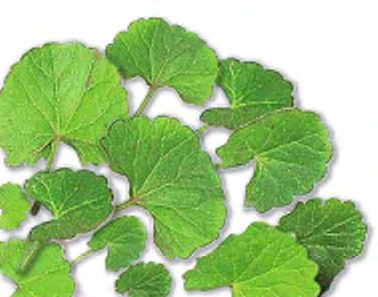
Figure 1: Authenticated crude herb specimen — Centella asiatica leaf.
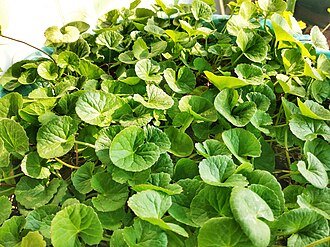
Botanical Reference 1: Centella asiatica — Botanical specimen
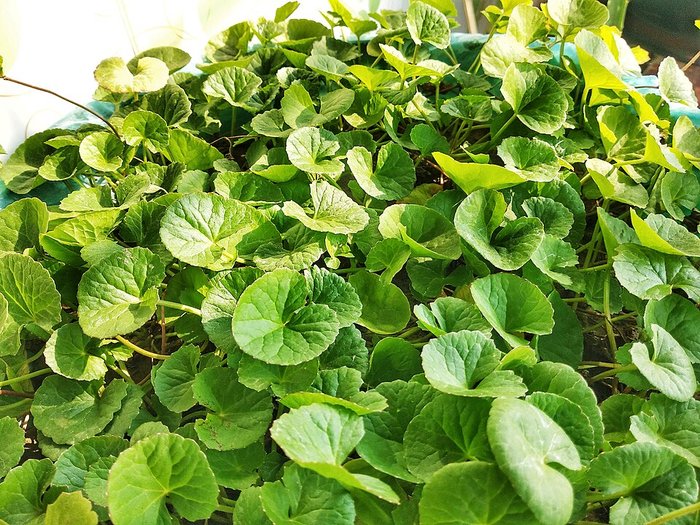
Botanical Reference 2: Centella asiatica — Botanical specimen
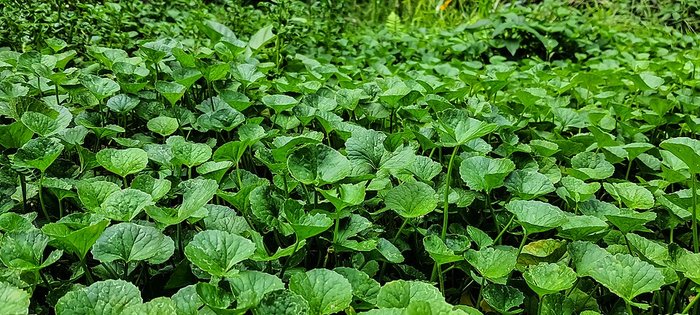
Botanical Reference 3: Centella asiatica — Wikimedia Commons reference
4. Comparative Genus & Family Pharmacognosy
Within Indian medicinal flora, Centella asiatica stands as a distinct representative of the genus Centella. Its therapeutic profile underscores the role of selectively utilized medicinal genera alongside larger polytypic genera.
At the family level, Umbelliferae encompasses 42 documented medicinal species (2.32% of the 1,814-species flora). Other representative medicinal members of Umbelliferae include: Ammi majus (Biship’s Weed-Amee), Ammi visnaga (Khella), Anethum sowa (Shataahvaa. Shatapushpaa), Angelica archangelica himalaica (Chandaa), Apium graveolens (Ajmodaa). In comparative pharmacognosy, evaluating species within the same botanical family aids quality control, authentication of crude drugs, and identification of chemotaxonomic markers.
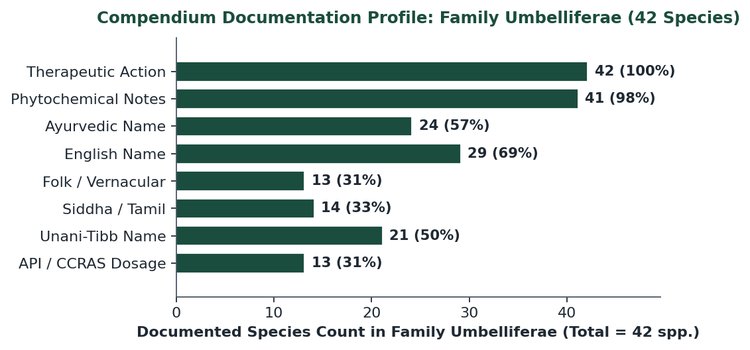
Figure 2: Quantitative documentation profile across all 42 medicinal species of family Umbelliferae.
5. Pharmacopoeial Standards, Posology & Reference Framework
For clinical and traditional dispensing, the standardized posology and crude herb dosage for Centella asiatica are prescribed as follows: Whole plant—3–6 g (API Vol. IV.). Crude drug dosages are calibrated against The Ayurvedic Pharmacopoeia of India (Vols. I–IV) and the Standard Nomenclature of Ayurvedic Medicinal Plants published by the Central Council for Research in Ayurveda and Siddha (CCRAS). Classical and modern pharmacognostic synchronization for Centella asiatica integrates standards from The Ayurvedic Pharmacopoeia of India, The National Formulary of Unani Medicine, Formulary of Siddha Medicine, The Wealth of India (CSIR), Compendium of Indian Medicinal Plants (CDRI), Dictionary of Indian Medicinal Plants (CIMAP), German Commission E, ESCOP, WHO monographs, British Herbal Pharmacopoeia, and Natural Medicines Comprehensive Database.