Cicer arietinum Linn.
1. Taxonomic, Nomenclature & Therapeutic Summary Table
| Botanical Attribute | Pharmacognostic & Therapeutic Specification |
|---|---|
| Family | Papilionaceae; Fabaceae. |
| Habitat | Cultivated in most parts of India. |
| English | Bengal Gram, Chick pea. |
| Ayurvedic | Chanaka, Chanakaa, Harimantha, Vajimantha, Jivan, Sakal-priya. |
| Unani | Nakhud. |
| Siddha / Tamil | Kadalai, Mookkukkadalai. |
| Action | Antibilious, hypocholesteremic, antihyperlipidemic, antistress. Acid exudate from the plant—used in indigestion, diarrhoea, dysentery. Seed coat extract—diuretic, antifungal (externally). Dry leaf—refrigerant. |
| Taxonomic Cohort | Genus Cicer (1 documented species); Family Papilionaceae (67 documented species). |
2. Classical Nomenclature, Taxonomy & Biogeographical Context
Cicer arietinum (taxonomically cited with authority Linn.) is an established medicinal plant species in Indian materia medica. It is classified under the botanical family Papilionaceae; Fabaceae (primary family classification: Papilionaceae), placing it within a well-defined chemotaxonomic group of medicinal flora. Within botanical taxonomy, this taxon is cataloged directly under its primary accepted binomial without secondary botanical synonyms. Biogeographically, its documented habitat and ecological distribution span: Cultivated in most parts of India.
Across classical and vernacular Indian systems of medicine, Cicer arietinum is recognized under distinct polyglot nomenclature: in English botanical and trade usage as Bengal Gram, Chick pea; in the Ayurvedic system (synchronized across The Ayurvedic Pharmacopoeia of India, CCRAS Standard Nomenclature, Sharangadhara Samhita, and Bhava Prakash) as Chanaka, Chanakaa, Harimantha, Vajimantha, Jivan, Sakal-priya; in the Unani-Tibb materia medica (recorded in The National Formulary of Unani Medicine and CCRUM literature) as Nakhud; in the Siddha and Tamil medical tradition (compiled from the Formulary of Siddha Medicine and IMPCOPS Chennai) as Kadalai, Mookkukkadalai. Romanized Sanskrit and Ayurvedic spellings follow standard National Academy of Ayurveda (Rashtriya Ayurveda Vidyapeeth) transliteration conventions, using double vowels to preserve authentic classical pronunciation across regional medical traditions.
3. Therapeutic Actions, Phytochemistry & Pharmacological Profile
In therapeutic and clinical pharmacognosy, the primary recorded actions and clinical indications of Cicer arietinum are: Antibilious, hypocholesteremic, antihyperlipidemic, antistress. Acid exudate from the plant—used in indigestion, diarrhoea, dysentery. Seed coat extract—diuretic, antifungal (externally). Dry leaf—refrigerant. These traditional and clinical attributes reflect the plant part-specific pharmacological profile documented across classical Indian treatises and modern herbal pharmacopoeias.
Experimental phytochemistry, active chemical constituents, and pharmacological screening studies reported for Cicer arietinum establish the following evidence base: Supplementation of gram in wheat based diet helps in lysine absorption which is otherwise a limiting amino acid in cereal based diets. Germination improves mineral bioavailability. In germinated gram flour, there is significant increase in nutritional quality of protein and very significant increase in ascorbic acid. The seeds contain pangamic acid, the stemina building, antistress and antihyperlipidemic principle of gram. Gram is given as preventive diet to atherosclerosis patients because of its rich phosphorus content. Isoflavones, biochanin A and formonetin exhibited hypolipidermic activity in rats. Total flavonoids reduced serum and liver cholesterol in rats. Seeds reduced postprandial plasma glucose in human.
In specialized pharmacognostic classifications, Cicer arietinum is also listed among standardized commercial herbal extracts used in India with defined quantitative phytochemical markers; and represented by authenticated macro-photographic crude drug specimens in institutional pharmacognostic collections.
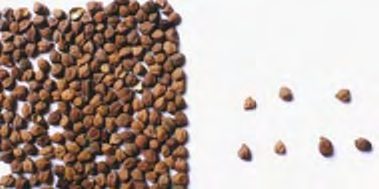
Figure 1: Authenticated crude herb specimen — Cicer arietinum fruit.
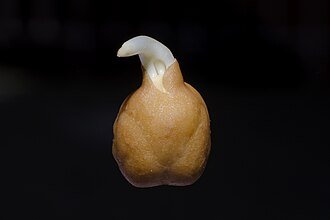
Botanical Reference 1: Chickpea — Botanical specimen
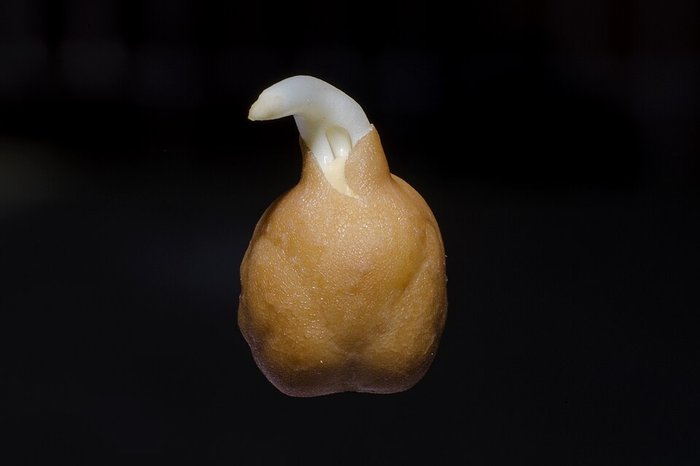
Botanical Reference 2: Chickpea — Botanical specimen
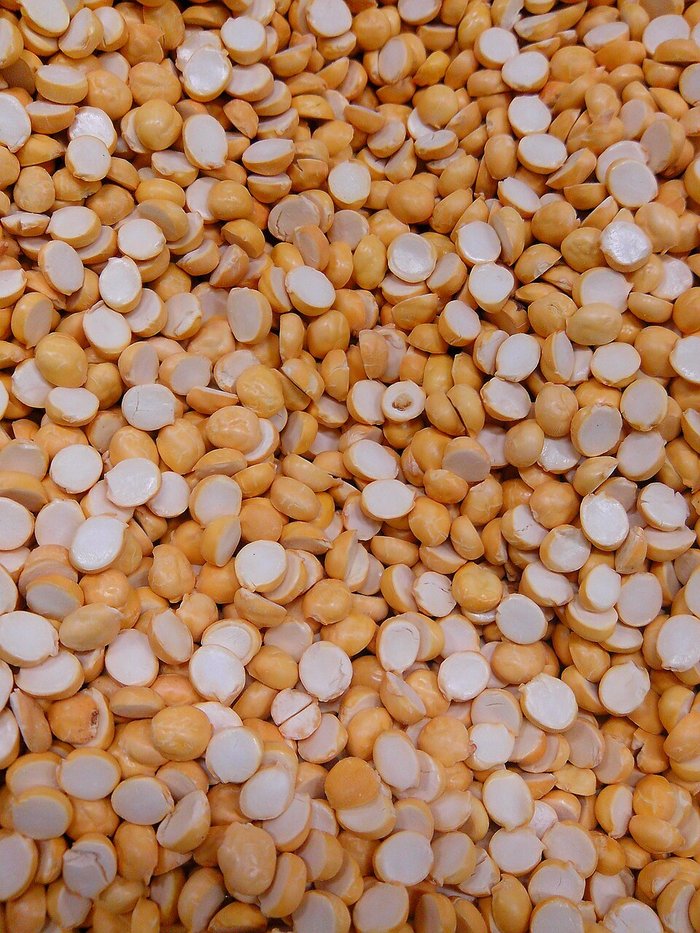
Botanical Reference 3: Cicer arietinum — Wikimedia Commons reference
4. Comparative Genus & Family Pharmacognosy
Within Indian medicinal flora, Cicer arietinum stands as a distinct representative of the genus Cicer. Its therapeutic profile underscores the role of selectively utilized medicinal genera alongside larger polytypic genera.
At the family level, Papilionaceae encompasses 67 documented medicinal species (3.69% of the 1,814-species flora). Other representative medicinal members of Papilionaceae include: Abrus precatorius Linn. (Gunjaa), Alhagi pseudalhagi (Yavaasaka), Arachis hypogaea (Mandapi), Atylosia goensis (Maashaparni), Butea monosperma (Paalasha). In comparative pharmacognosy, evaluating species within the same botanical family aids quality control, authentication of crude drugs, and identification of chemotaxonomic markers.
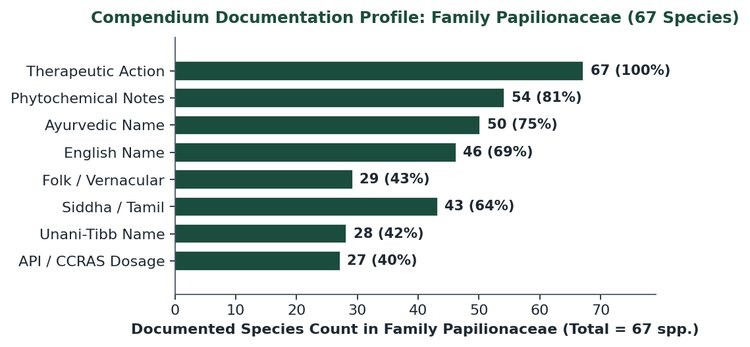
Figure 2: Quantitative documentation profile across all 67 medicinal species of family Papilionaceae.
5. Pharmacopoeial Standards, Posology & Reference Framework
In clinical and traditional dispensing, preparation and administration of Cicer arietinum follow the plant-part modalities specified under its therapeutic action (Antibilious, hypocholesteremic, antihyperlipidemic, antistress. Acid exudate from the plant—used in indigestion, diarrhoea, dysentery. Seed coat extract—diuretic, antifungal (externally). Dry leaf—refrigerant), guided by the standard posological principles of The Ayurvedic Pharmacopoeia of India (Vols. I–IV) and CCRAS formularies. Classical and modern pharmacognostic synchronization for Cicer arietinum integrates standards from The Ayurvedic Pharmacopoeia of India, The National Formulary of Unani Medicine, Formulary of Siddha Medicine, The Wealth of India (CSIR), Compendium of Indian Medicinal Plants (CDRI), Dictionary of Indian Medicinal Plants (CIMAP), German Commission E, ESCOP, WHO monographs, British Herbal Pharmacopoeia, and Natural Medicines Comprehensive Database.