Cinnamomum camphora (Linn.) Nees & Eberm.
1. Taxonomic, Nomenclature & Therapeutic Summary Table
| Botanical Attribute | Pharmacognostic & Therapeutic Specification |
|---|---|
| Family | Lauraceae. |
| Habitat | A tree native to China and Japan and often grown as a hedge plant. |
| English | Camphor tree. |
| Ayurvedic | Karpura, Ghanasaara, Chandra, Chandra Prabhaa, Sitaabhra, Hima-valukaa, Himopala, Himakara, Shashi, Indu, Tushaara, Gandhadravya, Shitalraja. |
| Unani | Kaafoor. |
| Siddha / Tamil | Indu, Karupporam. |
| Action | Camphor taken internally in small doses (toxic in large doses) acts as a carminative, reflex expectorant and reflex stimulant of heart and circulation as well as respiration. Also used as a sedative and nervous depressant in convulsions, hysteria, epilepsy, chorea. Topically used as a rubefacient and mild analgesic. |
| Key Application | Externally in catarrhal diseases of the respiratory tract and muscular rheumatism; internally in hypotonic circulatory regulation disorders, Catarrhal diseases of the respiratory tract. (German Commission E.) |
| Dosage | Concentrate—125–375 mg (CCRAS.) |
| Taxonomic Cohort | Genus Cinnamomum (4 documented species); Family Lauraceae (14 documented species). |
2. Classical Nomenclature, Taxonomy & Biogeographical Context
Cinnamomum camphora (taxonomically cited with authority (Linn.) Nees & Eberm.) is an established medicinal plant species in Indian materia medica. It is classified under the botanical family Lauraceae (primary family classification: Lauraceae), placing it within a well-defined chemotaxonomic group of medicinal flora. Within botanical taxonomy, this taxon is cataloged directly under its primary accepted binomial without secondary botanical synonyms. Biogeographically, its documented habitat and ecological distribution span: A tree native to China and Japan and often grown as a hedge plant.
Across classical and vernacular Indian systems of medicine, Cinnamomum camphora is recognized under distinct polyglot nomenclature: in English botanical and trade usage as Camphor tree; in the Ayurvedic system (synchronized across The Ayurvedic Pharmacopoeia of India, CCRAS Standard Nomenclature, Sharangadhara Samhita, and Bhava Prakash) as Karpura, Ghanasaara, Chandra, Chandra Prabhaa, Sitaabhra, Hima-valukaa, Himopala, Himakara, Shashi, Indu, Tushaara, Gandhadravya, Shitalraja; in the Unani-Tibb materia medica (recorded in The National Formulary of Unani Medicine and CCRUM literature) as Kaafoor; in the Siddha and Tamil medical tradition (compiled from the Formulary of Siddha Medicine and IMPCOPS Chennai) as Indu, Karupporam. Romanized Sanskrit and Ayurvedic spellings follow standard National Academy of Ayurveda (Rashtriya Ayurveda Vidyapeeth) transliteration conventions, using double vowels to preserve authentic classical pronunciation across regional medical traditions.
3. Therapeutic Actions, Phytochemistry & Pharmacological Profile
In therapeutic and clinical pharmacognosy, the primary recorded actions and clinical indications of Cinnamomum camphora are: Camphor taken internally in small doses (toxic in large doses) acts as a carminative, reflex expectorant and reflex stimulant of heart and circulation as well as respiration. Also used as a sedative and nervous depressant in convulsions, hysteria, epilepsy, chorea. Topically used as a rubefacient and mild analgesic. These traditional and clinical attributes reflect the plant part-specific pharmacological profile documented across classical Indian treatises and modern herbal pharmacopoeias. Furthermore, international and national regulatory monographs highlight its validated key clinical application: Externally in catarrhal diseases of the respiratory tract and muscular rheumatism; internally in hypotonic circulatory regulation disorders, Catarrhal diseases of the respiratory tract. (German Commission E.).
Experimental phytochemistry, active chemical constituents, and pharmacological screening studies reported for Cinnamomum camphora establish the following evidence base: The plant contains a volatile oil comprising camphor, safrole, linalool, eugenol and terpeneol. It also contains lignans (including secoisosolariciresinol dimethyl ether and kusunokiol). Safrole is thought to be carcinogenic. The leaf oil is a natural source of linalool (94.9%); also contained citronellal (2.4%). Camphor in concentration of 500 mcg/ml completely inhibits the growth of vibro parahaemolyticus, one of the causative agents of diarrhoea and dysentery. Ethanolic extract (50%) of fruits show antibacterial activity against several Gram-positive and Gram-negative bacteria. The essential oil from the plant possesses antifungal activity against many fungi. Camphor is toxic at 2–20 g.
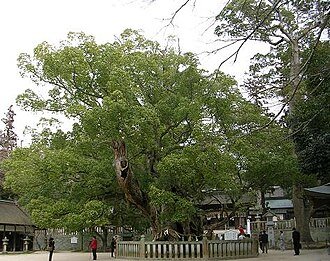
Botanical Reference 1: Camphora officinarum — Botanical specimen
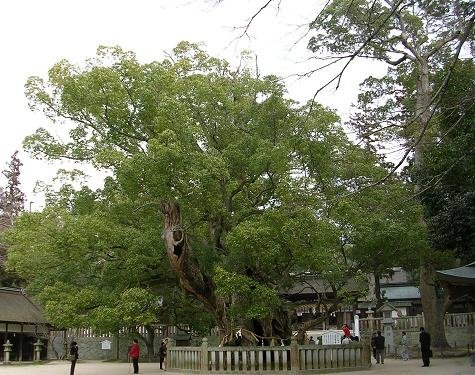
Botanical Reference 2: Camphora officinarum — Botanical specimen
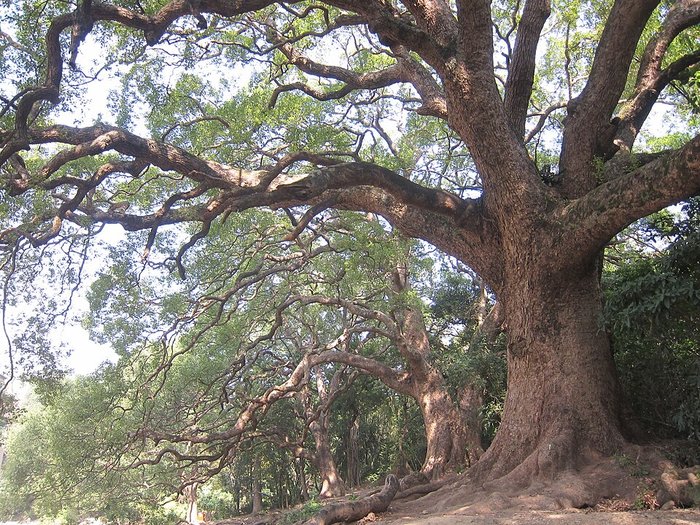
Botanical Reference 3: Cinnamomum camphora — Wikimedia Commons reference
4. Comparative Genus & Family Pharmacognosy
Taxonomically, the genus Cinnamomum comprises 4 distinct medicinal species in Indian herbal literature. Closely allied congeneric species include: Cinnamomum cassia (Action: Antispasmodic, carminative, antiputrescent, antidiarrhoeal, antiemetic…); Cinnamomum tamala. (Action: Leaf—Carminative, antidiarrhoeal, spasmolytic, antirheumatic, hypoglycaemic….); Cinnamomum zeylanicum. (Action: Bark—carminative, astringent, antispasmodic, expectorant, haemostatic…). Comparing Cinnamomum camphora alongside its congeners in genus Cinnamomum highlights both shared secondary metabolite classes and species-specific organotropism across different ecological zones.
At the family level, Lauraceae encompasses 14 documented medicinal species (0.77% of the 1,814-species flora). Other representative medicinal members of Lauraceae include: Actinodaphne hookeri (Pisaa), Cassytha filiformis (Amarvalli), Cinnamomum cassia (Tvak), Cinnamomum tamala. (Tejapatra), Laurus nobilis (Laurel). In comparative pharmacognosy, evaluating species within the same botanical family aids quality control, authentication of crude drugs, and identification of chemotaxonomic markers.
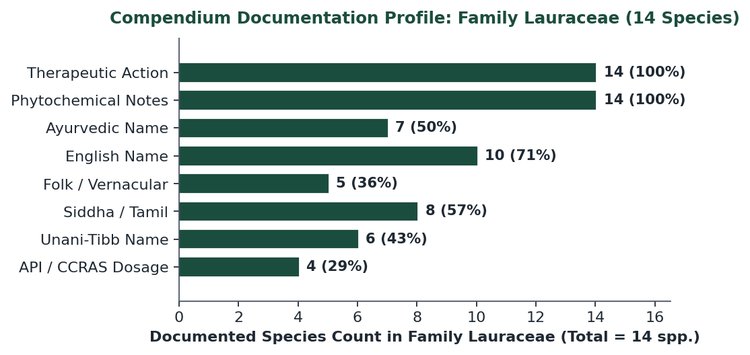
Figure 1: Quantitative documentation profile across all 14 medicinal species of family Lauraceae.
5. Pharmacopoeial Standards, Posology & Reference Framework
For clinical and traditional dispensing, the standardized posology and crude herb dosage for Cinnamomum camphora are prescribed as follows: Concentrate—125–375 mg (CCRAS.). Crude drug dosages are calibrated against The Ayurvedic Pharmacopoeia of India (Vols. I–IV) and the Standard Nomenclature of Ayurvedic Medicinal Plants published by the Central Council for Research in Ayurveda and Siddha (CCRAS). Classical and modern pharmacognostic synchronization for Cinnamomum camphora integrates standards from The Ayurvedic Pharmacopoeia of India, The National Formulary of Unani Medicine, Formulary of Siddha Medicine, The Wealth of India (CSIR), Compendium of Indian Medicinal Plants (CDRI), Dictionary of Indian Medicinal Plants (CIMAP), German Commission E, ESCOP, WHO monographs, British Herbal Pharmacopoeia, and Natural Medicines Comprehensive Database.