Citrus limon (Linn.) Burm.f.
1. Taxonomic, Nomenclature & Therapeutic Summary Table
| Botanical Attribute | Pharmacognostic & Therapeutic Specification |
|---|---|
| Family | Rutaceae. |
| Habitat | Cultivated all over India. |
| English | Lemon. |
| Ayurvedic | Jambira, Jambh, Jambhir, Jaamphal, Nimbu, Nimbuka, Naaranga, Limpaka, Dantashatha, Airaavata, Neebu (bigger var.). |
| Unani | Utraj. |
| Siddha / Tamil | Periya elumuchhai. |
| Action | Fruit—antiscorbutic, carminative, stomachic, antihistaminic, antibacterial. Used during coughs, colds, influenza and onset of fever (juice of roasted lemon), hiccoughs, biliousness. Fruit juice—used externally for ringworm (mixed with salt), erysipelas, also in the treatment of leprosy and white spots. Leaves and stems—antibacterial. |
| Dosage | Fruit—6–12 g (Juice—5– 10 ml). (API Vol. IV.) |
| Taxonomic Cohort | Genus Citrus (6 documented species); Family Rutaceae (31 documented species). |
2. Classical Nomenclature, Taxonomy & Biogeographical Context
Citrus limon (taxonomically cited with authority (Linn.) Burm.f.) is an established medicinal plant species in Indian materia medica. It is classified under the botanical family Rutaceae (primary family classification: Rutaceae), placing it within a well-defined chemotaxonomic group of medicinal flora. Within botanical taxonomy, this taxon is cataloged directly under its primary accepted binomial without secondary botanical synonyms. Biogeographically, its documented habitat and ecological distribution span: Cultivated all over India.
Across classical and vernacular Indian systems of medicine, Citrus limon is recognized under distinct polyglot nomenclature: in English botanical and trade usage as Lemon; in the Ayurvedic system (synchronized across The Ayurvedic Pharmacopoeia of India, CCRAS Standard Nomenclature, Sharangadhara Samhita, and Bhava Prakash) as Jambira, Jambh, Jambhir, Jaamphal, Nimbu, Nimbuka, Naaranga, Limpaka, Dantashatha, Airaavata, Neebu (bigger var.); in the Unani-Tibb materia medica (recorded in The National Formulary of Unani Medicine and CCRUM literature) as Utraj; in the Siddha and Tamil medical tradition (compiled from the Formulary of Siddha Medicine and IMPCOPS Chennai) as Periya elumuchhai. Romanized Sanskrit and Ayurvedic spellings follow standard National Academy of Ayurveda (Rashtriya Ayurveda Vidyapeeth) transliteration conventions, using double vowels to preserve authentic classical pronunciation across regional medical traditions.
3. Therapeutic Actions, Phytochemistry & Pharmacological Profile
In therapeutic and clinical pharmacognosy, the primary recorded actions and clinical indications of Citrus limon are: Fruit—antiscorbutic, carminative, stomachic, antihistaminic, antibacterial. Used during coughs, colds, influenza and onset of fever (juice of roasted lemon), hiccoughs, biliousness. Fruit juice—used externally for ringworm (mixed with salt), erysipelas, also in the treatment of leprosy and white spots. Leaves and stems—antibacterial. These traditional and clinical attributes reflect the plant part-specific pharmacological profile documented across classical Indian treatises and modern herbal pharmacopoeias.
Experimental phytochemistry, active chemical constituents, and pharmacological screening studies reported for Citrus limon establish the following evidence base: All parts of the plants of citrus sp. contain coumarins and psoralins. The fruits contain flavonoids and limonoids. The flavonoids comprise three main groups—flavanones, flavones and 3-hydroxyflavylium (anthocyanins); flavanones being predominantly followed by flavones and anthocyanins. Bitter flavonoids do not occur in lemon and lime. Lemon juice is a richer source of antiscorbutic vitamin (contains 40– 50 mg/100 g of vitamin C) than lime, and a fair source of carotene and vitamin B1. Volatile oil (about 2.5% of the peel) consists of about 75% limonene, alpha-and beta-pinenes, alpha-terpinene and citral. The fruit juice also contains coumarins and bioflavonoids. The acid content of the fruit, once digested, provides an alkaline effect within the body and is found useful in conditions where acidity is a contributory factor (as in case of rheumatic conditions). The bioflavonoids strengthen the inner lining of blood vessels, especially veins and capillaries, and help counter varicose veins, arteriosclerosis, circulatory disorders and infections of liver, stomach and intestines. Major flavonoid glycosides, isolated from citrus peels and juices, include hesperidin (with properties of vitamin P). Rutin and other flavanones, isolated from citrus fruits, form the principal components of vitamin P. Flavanone glycosides contained in lemon and lime juices are eriocitrin 47 and 94; hesperidin 84 and 196 mg/l, respectively. The composition of cold pressed lime oil is quite similar to lemon oil, but citral content of lime oil is higher. Monoterpene alcohols and their esters, aldehydes—geraniol, geranial and neral, contribute to the characteristic aroma of lemon and lime.
In specialized pharmacognostic classifications, Citrus limon is also documented among specialized herbal extracts utilized for cosmetic, dermatological, and topical applications.
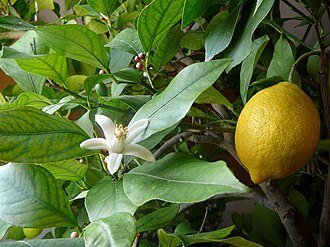
Botanical Reference 1: Lemon — Botanical specimen
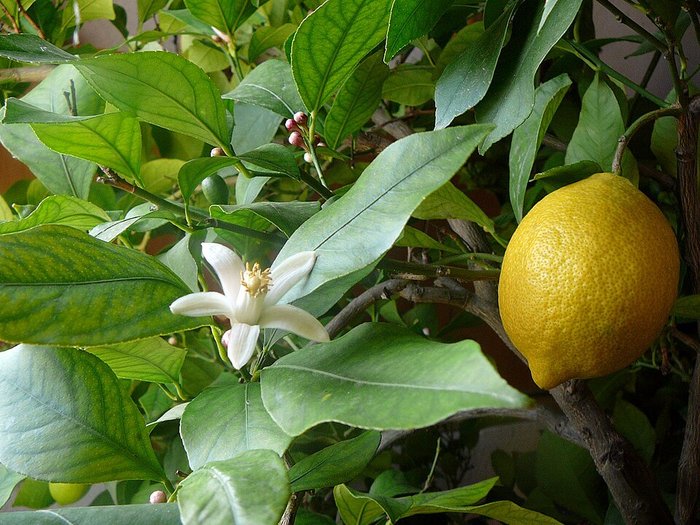
Botanical Reference 2: Lemon — Botanical specimen
Botanical Reference 3: Citrus limon — Wikimedia Commons reference
4. Comparative Genus & Family Pharmacognosy
Taxonomically, the genus Citrus comprises 6 distinct medicinal species in Indian herbal literature. Closely allied congeneric species include: Citrus aurantifolia (Action: Antiscorbutic, stomachic, appetizer, refrigerant. Used in bilious vomiting….); Citrus aurantium (Action: Peel—laxative, feeble stomachic, emmenagogue. Leaves— prescribed in the treatment…); Citrus maxima (Action: Fruit—cardiotonic. Leaves, flowers and rind—used as a sedative in nervous…); Citrus medica (Action: Fruit—antiscorbutic, refrigerant, astringent, carminative, stomachic…); Citrus paradisi (Action: Young leaves—decoction is used to relieve cold or headache. Fruit—used for…). Comparing Citrus limon alongside its congeners in genus Citrus highlights both shared secondary metabolite classes and species-specific organotropism across different ecological zones.
At the family level, Rutaceae encompasses 31 documented medicinal species (1.71% of the 1,814-species flora). Other representative medicinal members of Rutaceae include: Aegle marmelos (Bilva), Atalantia monophylla (Wild Lime), Chloroxylon swietenia (Provisionally equated with Bhillotaka), Citrus aurantifolia (Nimbuka), Clausena pentaphylla (Ratanjot). In comparative pharmacognosy, evaluating species within the same botanical family aids quality control, authentication of crude drugs, and identification of chemotaxonomic markers.
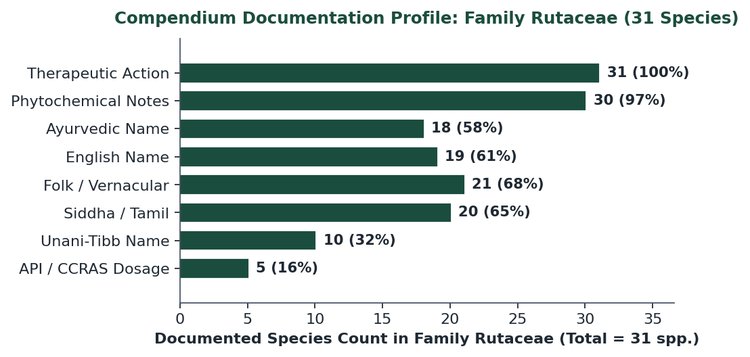
Figure 1: Quantitative documentation profile across all 31 medicinal species of family Rutaceae.
5. Pharmacopoeial Standards, Posology & Reference Framework
For clinical and traditional dispensing, the standardized posology and crude herb dosage for Citrus limon are prescribed as follows: Fruit—6–12 g (Juice—5– 10 ml). (API Vol. IV.). Crude drug dosages are calibrated against The Ayurvedic Pharmacopoeia of India (Vols. I–IV) and the Standard Nomenclature of Ayurvedic Medicinal Plants published by the Central Council for Research in Ayurveda and Siddha (CCRAS). Classical and modern pharmacognostic synchronization for Citrus limon integrates standards from The Ayurvedic Pharmacopoeia of India, The National Formulary of Unani Medicine, Formulary of Siddha Medicine, The Wealth of India (CSIR), Compendium of Indian Medicinal Plants (CDRI), Dictionary of Indian Medicinal Plants (CIMAP), German Commission E, ESCOP, WHO monographs, British Herbal Pharmacopoeia, and Natural Medicines Comprehensive Database.