Colchicum luteum Baker.
1. Taxonomic, Nomenclature & Therapeutic Summary Table
| Botanical Attribute | Pharmacognostic & Therapeutic Specification |
|---|---|
| Family | Liliaceae. |
| Habitat | The temperate Himalayas from Kashmir to Chamba. Major supplies of the drug are received from Kashmir. |
| English | Hermodactyls, Colchicum, Meadow Saffron, Golden Collyrium (Indian substitute). (C. luteum is a good substitute for C. autumnale L. which is official in the B.P.) |
| Ayurvedic | Hiranyatuttha. |
| Unani | Suranjaan Talkh. |
| Action | Non-steroidal antiinflammatory, anti-gout (relieves inflammation and pain of acute gout but does not increase expulsion of uric acid, is used with an alkaline diuretic), emetic, cathartic. Anti-chemotactic, antiphlogistic, inhibitor of mitosis. Highly toxic. Used for external application to lessen inflammation and pain. |
| Key Application | In acute gout attack. (German Commission E.) |
| Taxonomic Cohort | Genus Colchicum (1 documented species); Family Liliaceae (43 documented species). |
2. Classical Nomenclature, Taxonomy & Biogeographical Context
Colchicum luteum (taxonomically cited with authority Baker.) is an established medicinal plant species in Indian materia medica. It is classified under the botanical family Liliaceae (primary family classification: Liliaceae), placing it within a well-defined chemotaxonomic group of medicinal flora. Within botanical taxonomy, this taxon is cataloged directly under its primary accepted binomial without secondary botanical synonyms. Biogeographically, its documented habitat and ecological distribution span: The temperate Himalayas from Kashmir to Chamba. Major supplies of the drug are received from Kashmir.
Across classical and vernacular Indian systems of medicine, Colchicum luteum is recognized under distinct polyglot nomenclature: in English botanical and trade usage as Hermodactyls, Colchicum, Meadow Saffron, Golden Collyrium (Indian substitute). (C. luteum is a good substitute for C. autumnale L. which is official in the B.P.); in the Ayurvedic system (synchronized across The Ayurvedic Pharmacopoeia of India, CCRAS Standard Nomenclature, Sharangadhara Samhita, and Bhava Prakash) as Hiranyatuttha; in the Unani-Tibb materia medica (recorded in The National Formulary of Unani Medicine and CCRUM literature) as Suranjaan Talkh. Romanized Sanskrit and Ayurvedic spellings follow standard National Academy of Ayurveda (Rashtriya Ayurveda Vidyapeeth) transliteration conventions, using double vowels to preserve authentic classical pronunciation across regional medical traditions.
3. Therapeutic Actions, Phytochemistry & Pharmacological Profile
In therapeutic and clinical pharmacognosy, the primary recorded actions and clinical indications of Colchicum luteum are: Non-steroidal antiinflammatory, anti-gout (relieves inflammation and pain of acute gout but does not increase expulsion of uric acid, is used with an alkaline diuretic), emetic, cathartic. Anti-chemotactic, antiphlogistic, inhibitor of mitosis. Highly toxic. Used for external application to lessen inflammation and pain. These traditional and clinical attributes reflect the plant part-specific pharmacological profile documented across classical Indian treatises and modern herbal pharmacopoeias. Furthermore, international and national regulatory monographs highlight its validated key clinical application: In acute gout attack. (German Commission E.).
Experimental phytochemistry, active chemical constituents, and pharmacological screening studies reported for Colchicum luteum establish the following evidence base: The fresh corms and aerial parts of a sample from Jammu yielded 0.94% and 070% of total alkaloids, the major being colchicine 0.40% and 0.20% respectively. Colchicine analogs— decteyl thiocolchicine (DTC), decetylmethylcolchicine (DMC) and trimethylcolchicinic acid (TMCA) were effective in the treatment of gout; DTC may elicit agranulocytosis. Colchicine binds to tubulin, the protein subunit of microtubules. Its most important biological effect is the inhibition of processes that depend upon microtubule function by blocking polymerization. In preventing microtubule formation, colchicine has been shown to inhibit catecholamine secretion from adrenal medulla, iodine secretion from thyroid gland and prolactin secretion from pituitary tumour cells. It inhibits stimulated insulin secretion from isolated perfused pancreas and islets in vitro. The use of Colchicum for long periods is not recommended owing to its toxicity in larger doses (even 7 mg of colchicine has caused death) and its depressant action upon central nervous system. Prolonged use of Colchicum autumnale may cause agranulocytosis, aplastic anaemia and peripheral nerve inflammation. (Sharon M. Herr.)
In specialized pharmacognostic classifications, Colchicum luteum is also listed among standardized commercial herbal extracts used in India with defined quantitative phytochemical markers; and represented by authenticated macro-photographic crude drug specimens in institutional pharmacognostic collections.
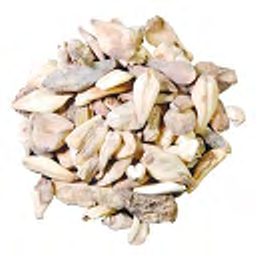
Figure 1: Authenticated crude herb specimen — Colchicum luteum sweet/bitter corms.
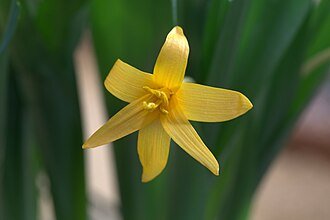
Botanical Reference 1: Colchicum luteum — Botanical specimen
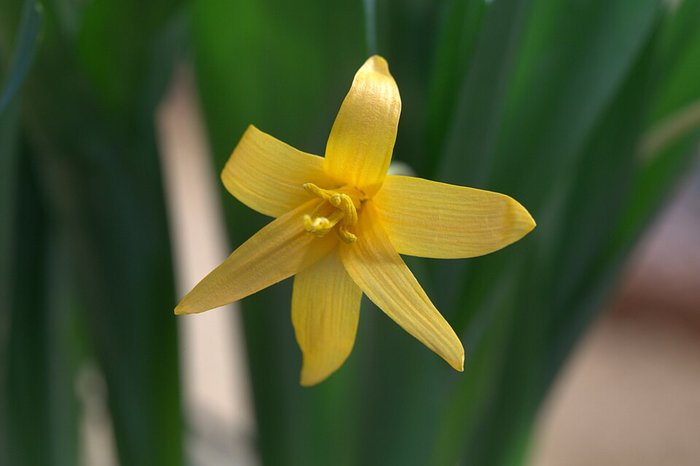
Botanical Reference 2: Colchicum luteum — Botanical specimen
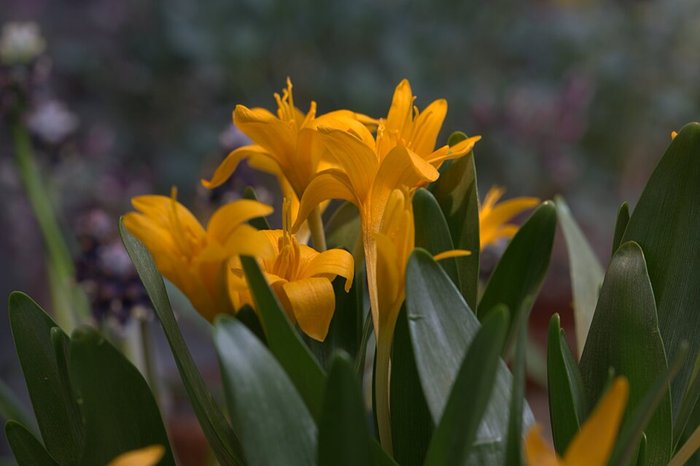
Botanical Reference 3: Colchicum luteum — Wikimedia Commons reference
4. Comparative Genus & Family Pharmacognosy
Within Indian medicinal flora, Colchicum luteum stands as a distinct representative of the genus Colchicum. Its therapeutic profile underscores the role of selectively utilized medicinal genera alongside larger polytypic genera.
At the family level, Liliaceae encompasses 43 documented medicinal species (2.37% of the 1,814-species flora). Other representative medicinal members of Liliaceae include: Allium ascalonicum (Grnjana), Allium cepa (Palaandu), Allium macleanii (Oriental Royal Salep), Allium porrum (Leek), Aloe barbadensis (Kanyaasaara). In comparative pharmacognosy, evaluating species within the same botanical family aids quality control, authentication of crude drugs, and identification of chemotaxonomic markers.
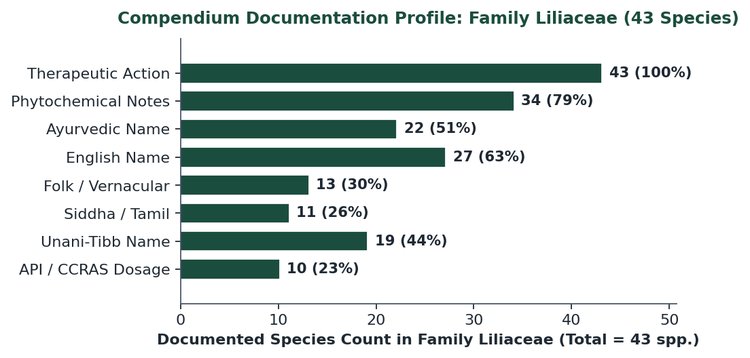
Figure 2: Quantitative documentation profile across all 43 medicinal species of family Liliaceae.
5. Pharmacopoeial Standards, Posology & Reference Framework
In clinical and traditional dispensing, preparation and administration of Colchicum luteum follow the plant-part modalities specified under its therapeutic action (Non-steroidal antiinflammatory, anti-gout (relieves inflammation and pain of acute gout but does not increase expulsion of uric acid, is used with an alkaline diuretic), emetic, cathartic. Anti-chemotactic, antiphlogistic, inhibitor of mitosis. Highly toxic. Used for external application to lessen inflammation and pain), guided by the standard posological principles of The Ayurvedic Pharmacopoeia of India (Vols. I–IV) and CCRAS formularies. Classical and modern pharmacognostic synchronization for Colchicum luteum integrates standards from The Ayurvedic Pharmacopoeia of India, The National Formulary of Unani Medicine, Formulary of Siddha Medicine, The Wealth of India (CSIR), Compendium of Indian Medicinal Plants (CDRI), Dictionary of Indian Medicinal Plants (CIMAP), German Commission E, ESCOP, WHO monographs, British Herbal Pharmacopoeia, and Natural Medicines Comprehensive Database.