Cytisus scoparius (L.) Link.
1. Taxonomic, Nomenclature & Therapeutic Summary Table
| Botanical Attribute | Pharmacognostic & Therapeutic Specification |
|---|---|
| Synonym | Sarothamnus scoparius (L.) Koch. |
| Family | Papilionaceae, Fabaceae. |
| Habitat | Mild climatic regions of south and central Europe, north Africa and West Asia. C. scoparius is fairly common in and around Oatacmund (Nilgiris) and is found wild as a garden escape. It grows also in Simla and neighbouring places. An allied species, C. monspessulanus Linn., White Broom, also occurs in the Nilgiri hills. |
| English | Broom, Scotch Broom, Yellow Broom. |
| Folk | Broom. |
| Action | Green twigs of the plant, collected before flowering, either fresh or after drying, are used as diuretic and cathartic. Emetic in large doses. The seeds are also used similarly. The herb is used chiefly in the form of sulphate in tachycardia and functional palpitation. (The action of the whole plant is stated to be different from that of isolated alkaloids.) The whole herb has been used to treat tumours. |
| Key Application | For functional heart and circulatory disorders. Aqueous-ethanolic extracts are used internally. Simultaneous administration of MAO-inhibitors contraindicated due to the tyramine content. (German Commission E.) The British Herbal Pharmacopoeia reported antiarrhythmic and diuretic action of the herb. |
| Taxonomic Cohort | Genus Cytisus (1 documented species); Family Papilionaceae (67 documented species). |
2. Classical Nomenclature, Taxonomy & Biogeographical Context
Cytisus scoparius (taxonomically cited with authority (L.) Link.) is an established medicinal plant species in Indian materia medica. It is classified under the botanical family Papilionaceae, Fabaceae (primary family classification: Papilionaceae), placing it within a well-defined chemotaxonomic group of medicinal flora. In classical and modern botanical literature, the species is cross-referenced under the botanical synonymy Sarothamnus scoparius (L.) Koch, which is synchronized to prevent taxonomic ambiguity across regional herbal formularies. Biogeographically, its documented habitat and ecological distribution span: Mild climatic regions of south and central Europe, north Africa and West Asia. C. scoparius is fairly common in and around Oatacmund (Nilgiris) and is found wild as a garden escape. It grows also in Simla and neighbouring places. An allied species, C. monspessulanus Linn., White Broom, also occurs in the Nilgiri hills.
Across classical and vernacular Indian systems of medicine, Cytisus scoparius is recognized under distinct polyglot nomenclature: in English botanical and trade usage as Broom, Scotch Broom, Yellow Broom; in regional Indian folk and vernacular ethnobotany as Broom. Romanized Sanskrit and Ayurvedic spellings follow standard National Academy of Ayurveda (Rashtriya Ayurveda Vidyapeeth) transliteration conventions, using double vowels to preserve authentic classical pronunciation across regional medical traditions.
3. Therapeutic Actions, Phytochemistry & Pharmacological Profile
In therapeutic and clinical pharmacognosy, the primary recorded actions and clinical indications of Cytisus scoparius are: Green twigs of the plant, collected before flowering, either fresh or after drying, are used as diuretic and cathartic. Emetic in large doses. The seeds are also used similarly. The herb is used chiefly in the form of sulphate in tachycardia and functional palpitation. (The action of the whole plant is stated to be different from that of isolated alkaloids.) The whole herb has been used to treat tumours. These traditional and clinical attributes reflect the plant part-specific pharmacological profile documented across classical Indian treatises and modern herbal pharmacopoeias. Furthermore, international and national regulatory monographs highlight its validated key clinical application: For functional heart and circulatory disorders. Aqueous-ethanolic extracts are used internally. Simultaneous administration of MAO-inhibitors contraindicated due to the tyramine content. (German Commission E.) The British Herbal Pharmacopoeia reported antiarrhythmic and diuretic action of the herb.
Experimental phytochemistry, active chemical constituents, and pharmacological screening studies reported for Cytisus scoparius establish the following evidence base: The herb contains quinolizidine alkaloids; main alkaloids are (−)-sparteine, lupanine, ammodendrine and various derivatives; biogenic amines, including tryramine, epinine, dopamine; isoflavone glycosides including genistein, scoparin; flavonoids; essential oil; caffeic acid and p-coumaric acids; tannins. Seeds contain lectins (phytohaemagglutinins). The herb contains over 2% tyramine. Tyramine acts as an indirect sympathomimetic, vasoconstrictive and hypotensive. The herb is contraindicated in high blood pressure, A-V block and pregnancy. Scoparin’s action on renal mucous membrane is similar to that of Buchu and Uva-ursi. (A decoction or infusion of broom is used in dropsical complaints of cardiac origin.) Sparteine produces a transient rise in arterial pressure followed by a longer period of decreased vascular tension (contradictory observations have been recorded). Some researchers are of the opinion that sparteine is a regulator in chronic vulvar disease. It showed no cumulative action like digitalis. In large doses, it is highly toxic and impairs the activity of respiratory organs. C. monopessulanus (a related species) contains. 9% alkaloids. Sparteine is toxic at more than 300 mg dose. (Francis Brinker.)
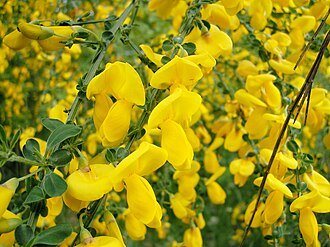
Botanical Reference 1: Cytisus scoparius — Botanical specimen
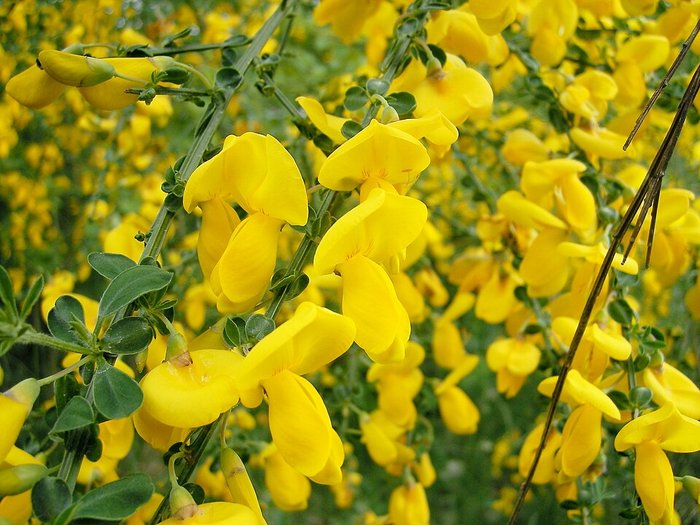
Botanical Reference 2: Cytisus scoparius — Botanical specimen
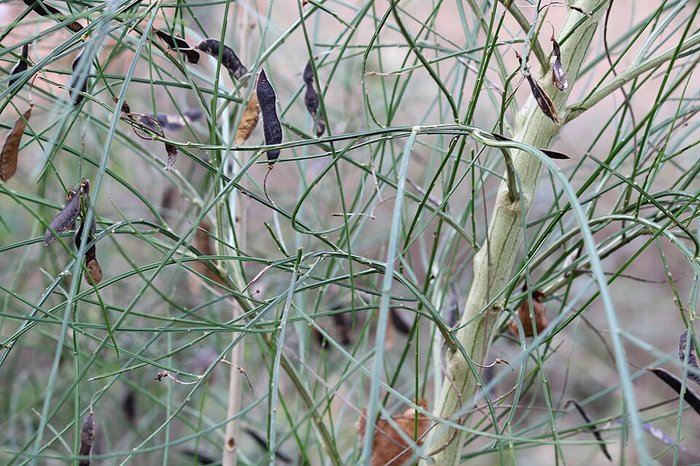
Botanical Reference 3: Cytisus scoparius — Wikimedia Commons reference
4. Comparative Genus & Family Pharmacognosy
Within Indian medicinal flora, Cytisus scoparius stands as a distinct representative of the genus Cytisus. Its therapeutic profile underscores the role of selectively utilized medicinal genera alongside larger polytypic genera.
At the family level, Papilionaceae encompasses 67 documented medicinal species (3.69% of the 1,814-species flora). Other representative medicinal members of Papilionaceae include: Abrus precatorius Linn. (Gunjaa), Alhagi pseudalhagi (Yavaasaka), Arachis hypogaea (Mandapi), Atylosia goensis (Maashaparni), Butea monosperma (Paalasha). In comparative pharmacognosy, evaluating species within the same botanical family aids quality control, authentication of crude drugs, and identification of chemotaxonomic markers.
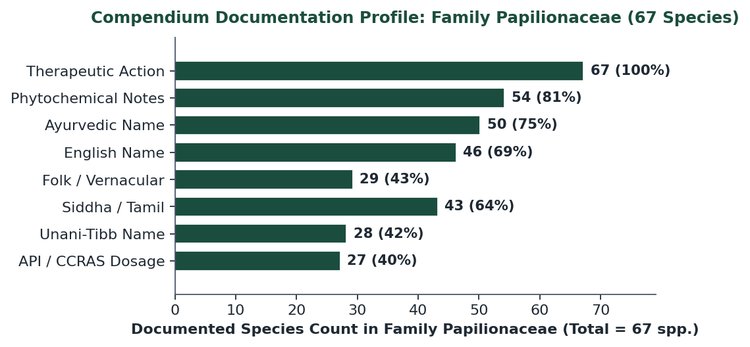
Figure 1: Quantitative documentation profile across all 67 medicinal species of family Papilionaceae.
5. Pharmacopoeial Standards, Posology & Reference Framework
In clinical and traditional dispensing, preparation and administration of Cytisus scoparius follow the plant-part modalities specified under its therapeutic action (Green twigs of the plant, collected before flowering, either fresh or after drying, are used as diuretic and cathartic. Emetic in large doses. The seeds are also used similarly. The herb is used chiefly in the form of sulphate in tachycardia and functional palpitation. (The action of the whole plant is stated to be different from that of isolated alkaloids.) The whole herb has been used to treat tumours), guided by the standard posological principles of The Ayurvedic Pharmacopoeia of India (Vols. I–IV) and CCRAS formularies. Classical and modern pharmacognostic synchronization for Cytisus scoparius integrates standards from The Ayurvedic Pharmacopoeia of India, The National Formulary of Unani Medicine, Formulary of Siddha Medicine, The Wealth of India (CSIR), Compendium of Indian Medicinal Plants (CDRI), Dictionary of Indian Medicinal Plants (CIMAP), German Commission E, ESCOP, WHO monographs, British Herbal Pharmacopoeia, and Natural Medicines Comprehensive Database.