Cissampelos pareira Linn.
1. Taxonomic, Nomenclature & Therapeutic Summary Table
| Botanical Attribute | Pharmacognostic & Therapeutic Specification |
|---|---|
| Family | Menispermaceae. |
| Habitat | The tropical and subtropical parts of India. |
| English | Velvet-Leaf Pareira, Pareira Brava. |
| Ayurvedic | Paathaa, Ambashthaa, Varatiktaaa, Vriki, Aviddhakarni, Piluphalaa, Shreyashi.Bigger var., Raaja Paathaa, is equated with Stephania hernandifolia Walp.) |
| Unani | Paathaa. |
| Siddha / Tamil | Paadakkizhangu, Appatta. |
| Action | Root astringent, antispasmodic (used for cramps, painful menstruation), analgesic, antipyretic, diuretic, antilithic and emmenagogue. Prescribed for diarrhoea, dysentery, piles, urogenital affections (cystitis, nephritis, menorrhagia) Root paste is applied topically on scabies and eruptions on the body. Also used for preventing miscarriage. |
| Dosage | Root—3–6 g powder. (API Vol. I.) |
| Taxonomic Cohort | Genus Cissampelos (1 documented species); Family Menispermaceae (14 documented species). |
2. Classical Nomenclature, Taxonomy & Biogeographical Context
Cissampelos pareira (taxonomically cited with authority Linn.) is an established medicinal plant species in Indian materia medica. It is classified under the botanical family Menispermaceae (primary family classification: Menispermaceae), placing it within a well-defined chemotaxonomic group of medicinal flora. Within botanical taxonomy, this taxon is cataloged directly under its primary accepted binomial without secondary botanical synonyms. Biogeographically, its documented habitat and ecological distribution span: The tropical and subtropical parts of India.
Across classical and vernacular Indian systems of medicine, Cissampelos pareira is recognized under distinct polyglot nomenclature: in English botanical and trade usage as Velvet-Leaf Pareira, Pareira Brava; in the Ayurvedic system (synchronized across The Ayurvedic Pharmacopoeia of India, CCRAS Standard Nomenclature, Sharangadhara Samhita, and Bhava Prakash) as Paathaa, Ambashthaa, Varatiktaaa, Vriki, Aviddhakarni, Piluphalaa, Shreyashi.Bigger var., Raaja Paathaa, is equated with Stephania hernandifolia Walp.); in the Unani-Tibb materia medica (recorded in The National Formulary of Unani Medicine and CCRUM literature) as Paathaa; in the Siddha and Tamil medical tradition (compiled from the Formulary of Siddha Medicine and IMPCOPS Chennai) as Paadakkizhangu, Appatta. Romanized Sanskrit and Ayurvedic spellings follow standard National Academy of Ayurveda (Rashtriya Ayurveda Vidyapeeth) transliteration conventions, using double vowels to preserve authentic classical pronunciation across regional medical traditions.
3. Therapeutic Actions, Phytochemistry & Pharmacological Profile
In therapeutic and clinical pharmacognosy, the primary recorded actions and clinical indications of Cissampelos pareira are: Root astringent, antispasmodic (used for cramps, painful menstruation), analgesic, antipyretic, diuretic, antilithic and emmenagogue. Prescribed for diarrhoea, dysentery, piles, urogenital affections (cystitis, nephritis, menorrhagia) Root paste is applied topically on scabies and eruptions on the body. Also used for preventing miscarriage. These traditional and clinical attributes reflect the plant part-specific pharmacological profile documented across classical Indian treatises and modern herbal pharmacopoeias.
Experimental phytochemistry, active chemical constituents, and pharmacological screening studies reported for Cissampelos pareira establish the following evidence base: The Ayurvedic Pharmacopoeia of India attributed blood purifying properties to the root and indicated it in lactal disorders. Hayatine (dl-beberine) is the principal alkaloid of the root. Its derivatives, methiodide and methochloride are reported to be potent neuromuscular-blocking agents. Not to be confused with Abuta grandiflora, a South American medicinal plant.
In specialized pharmacognostic classifications, Cissampelos pareira is also represented by authenticated macro-photographic crude drug specimens in institutional pharmacognostic collections.
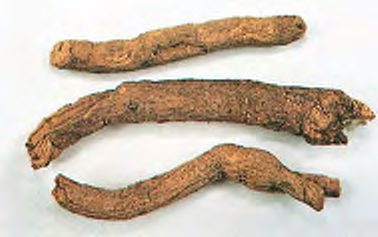
Figure 1: Authenticated crude herb specimen — Cissampelos pareira root.
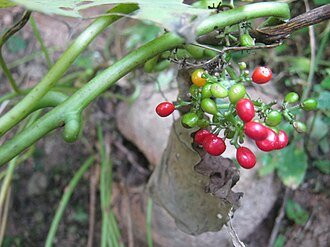
Botanical Reference 1: Cissampelos pareira — Botanical specimen
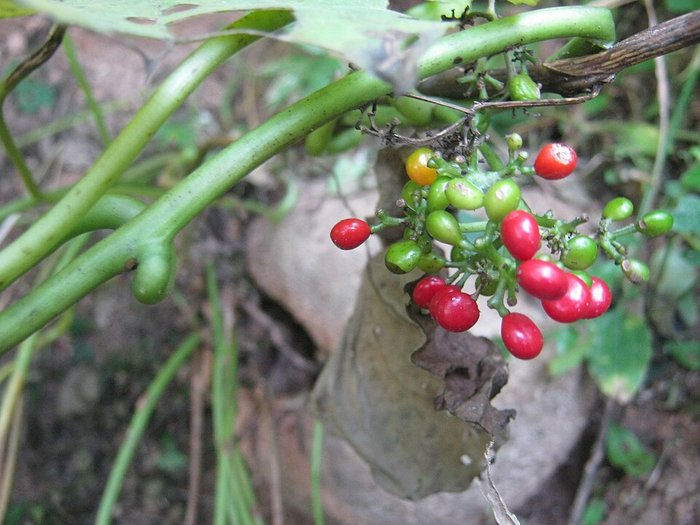
Botanical Reference 2: Cissampelos pareira — Botanical specimen
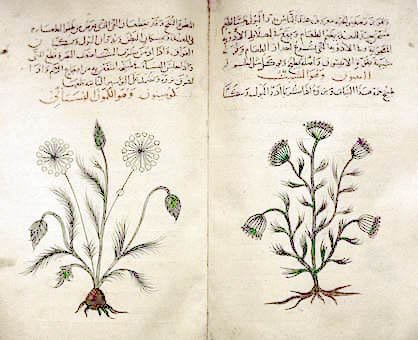
Botanical Reference 3: Cissampelos pareira — Wikimedia Commons reference
4. Comparative Genus & Family Pharmacognosy
Within Indian medicinal flora, Cissampelos pareira stands as a distinct representative of the genus Cissampelos. Its therapeutic profile underscores the role of selectively utilized medicinal genera alongside larger polytypic genera.
At the family level, Menispermaceae encompasses 14 documented medicinal species (0.77% of the 1,814-species flora). Other representative medicinal members of Menispermaceae include: Anamirta cocculus (Kaakaadani), Chondodendron tomentosum (Paatha), Cocculus hirsutus (Chhilihinta), Coscinium fenestratum (Pitachandana), Cyclea arnotii (Raaj-Paathaa). In comparative pharmacognosy, evaluating species within the same botanical family aids quality control, authentication of crude drugs, and identification of chemotaxonomic markers.
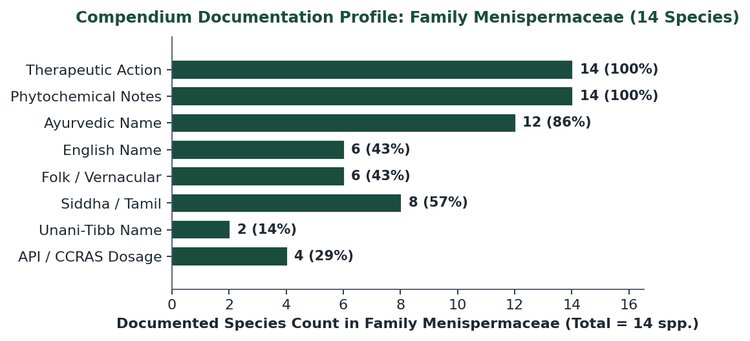
Figure 2: Quantitative documentation profile across all 14 medicinal species of family Menispermaceae.
5. Pharmacopoeial Standards, Posology & Reference Framework
For clinical and traditional dispensing, the standardized posology and crude herb dosage for Cissampelos pareira are prescribed as follows: Root—3–6 g powder. (API Vol. I.). Crude drug dosages are calibrated against The Ayurvedic Pharmacopoeia of India (Vols. I–IV) and the Standard Nomenclature of Ayurvedic Medicinal Plants published by the Central Council for Research in Ayurveda and Siddha (CCRAS). Classical and modern pharmacognostic synchronization for Cissampelos pareira integrates standards from The Ayurvedic Pharmacopoeia of India, The National Formulary of Unani Medicine, Formulary of Siddha Medicine, The Wealth of India (CSIR), Compendium of Indian Medicinal Plants (CDRI), Dictionary of Indian Medicinal Plants (CIMAP), German Commission E, ESCOP, WHO monographs, British Herbal Pharmacopoeia, and Natural Medicines Comprehensive Database.