Abrus precatorius Linn.
1. Taxonomic, Nomenclature & Therapeutic Summary Table
| Botanical Attribute | Pharmacognostic & Therapeutic Specification |
|---|---|
| Family | Papilionaceae; Fabaceae. |
| Habitat | Throughout the country, ascending to an altitude of about 1,050 m in the outer Himalayas. |
| English | Indian Wild Liquorice, Jequirity, Crab’s Eye, Precatory Bean. |
| Ayurvedic | Gunjaa, Gunjaka, Chirihintikaa, Raktikaa, Chirmiti, Kakanti, Kabjaka, Tiktikaa, Kaakananti, Kaakchinchi. (Not to be used as a substitute for liquorice.) |
| Unani | Ghunghchi, Ghamchi. |
| Siddha / Tamil | Kunri. |
| Folk | Chirmiti, Ratti. |
| Action | Uterine stimulant, abortifacient, toxic. Seeds—teratogenic. A paste of seeds is applied on vitiligo patches. |
| Dosage | Detoxified seed—1–3 g powder. Root powder—3–6 g. (API Vols. I, II.) |
| Taxonomic Cohort | Genus Abrus (1 documented species); Family Papilionaceae (67 documented species). |
2. Classical Nomenclature, Taxonomy & Biogeographical Context
Abrus precatorius Linn. is an established medicinal plant species in Indian materia medica. It is classified under the botanical family Papilionaceae; Fabaceae (primary family classification: Papilionaceae), placing it within a well-defined chemotaxonomic group of medicinal flora. Within botanical taxonomy, this taxon is cataloged directly under its primary accepted binomial without secondary botanical synonyms. Biogeographically, its documented habitat and ecological distribution span: Throughout the country, ascending to an altitude of about 1,050 m in the outer Himalayas.
Across classical and vernacular Indian systems of medicine, Abrus precatorius Linn. is recognized under distinct polyglot nomenclature: in English botanical and trade usage as Indian Wild Liquorice, Jequirity, Crab’s Eye, Precatory Bean; in the Ayurvedic system (synchronized across The Ayurvedic Pharmacopoeia of India, CCRAS Standard Nomenclature, Sharangadhara Samhita, and Bhava Prakash) as Gunjaa, Gunjaka, Chirihintikaa, Raktikaa, Chirmiti, Kakanti, Kabjaka, Tiktikaa, Kaakananti, Kaakchinchi. (Not to be used as a substitute for liquorice.); in the Unani-Tibb materia medica (recorded in The National Formulary of Unani Medicine and CCRUM literature) as Ghunghchi, Ghamchi; in the Siddha and Tamil medical tradition (compiled from the Formulary of Siddha Medicine and IMPCOPS Chennai) as Kunri; in regional Indian folk and vernacular ethnobotany as Chirmiti, Ratti. Romanized Sanskrit and Ayurvedic spellings follow standard National Academy of Ayurveda (Rashtriya Ayurveda Vidyapeeth) transliteration conventions, using double vowels to preserve authentic classical pronunciation across regional medical traditions.
3. Therapeutic Actions, Phytochemistry & Pharmacological Profile
In therapeutic and clinical pharmacognosy, the primary recorded actions and clinical indications of Abrus precatorius Linn. are: Uterine stimulant, abortifacient, toxic. Seeds—teratogenic. A paste of seeds is applied on vitiligo patches. These traditional and clinical attributes reflect the plant part-specific pharmacological profile documented across classical Indian treatises and modern herbal pharmacopoeias.
Experimental phytochemistry, active chemical constituents, and pharmacological screening studies reported for Abrus precatorius Linn. establish the following evidence base: Along with other therapeutic applications, The Ayurvedic Pharmacopoeia of India has indicated the use of seeds in baldness. Seeds contain abrin, a toxalbumin, indole derivatives, anthocyanins, sterols, terpenes. Abrin causes agglutination of erythrocytes, haemolysis and enlargement of lymph glands. A nontoxic dose of abrin (1.25 mcg/kg body weight), isolated from the seeds of red var., exhibited a noticeable increase in antibody-forming cells, bone marrow cellularity and alpha-esterase-positive bone marrow cells. Oral administration of agglutinins, isolated from the seeds, is useful in the treatment of hepatitis and AIDS. The seed extract exhibited antischistosomal activity in male hamsters. The methanolic extract of seeds inhibited the motility of human spermatozoa. The roots contain precol, abrol, glycyrrhizin (1.5%) and alkaloids—abrasine and precasine. The roots also contain triterpenoids—abruslactone A, methyl abrusgenate and abrusgenic acid. Alkaloids/bases present in the roots are also present in leaves and stems. A. fruticulosus Wall. Ex Wight and Arn. synonym A. pulchellus Wall., A. laevigatus E. May. (Shveta Gunjaa) is also used for the same medicinal purposes as A. precatorius.
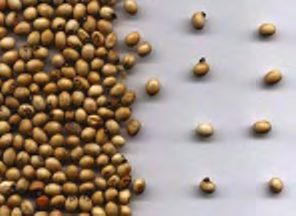
Figure 1: Authenticated crude herb specimen — Abrus precatorious seed.
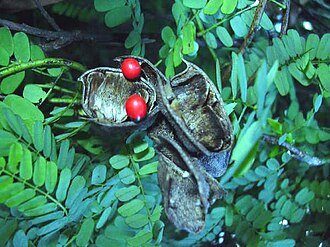
Botanical Reference 1: Abrus precatorius — Botanical specimen
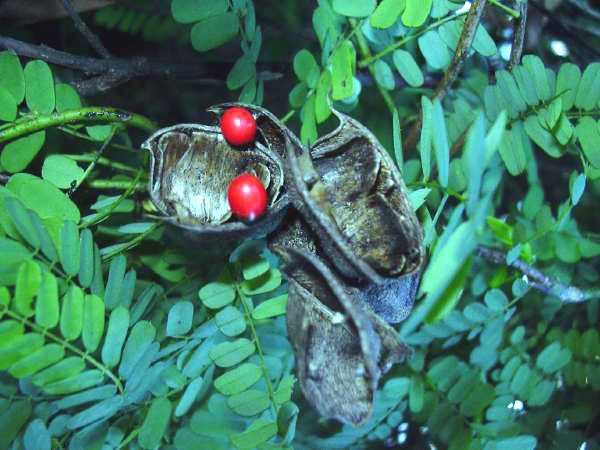
Botanical Reference 2: Abrus precatorius — Botanical specimen
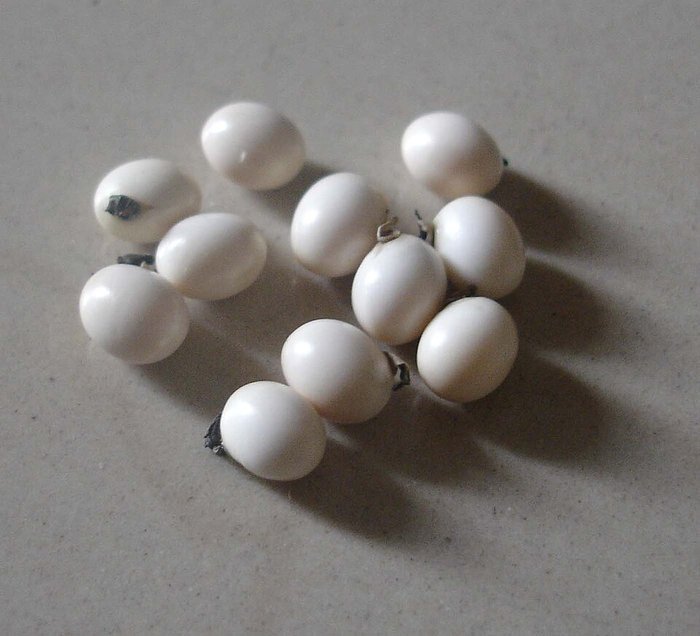
Botanical Reference 3: Abrus precatorius — Wikimedia Commons reference
4. Comparative Genus & Family Pharmacognosy
Within Indian medicinal flora, Abrus precatorius Linn. stands as a distinct representative of the genus Abrus. Its therapeutic profile underscores the role of selectively utilized medicinal genera alongside larger polytypic genera.
At the family level, Papilionaceae encompasses 67 documented medicinal species (3.69% of the 1,814-species flora). Other representative medicinal members of Papilionaceae include: Alhagi pseudalhagi (Yavaasaka), Arachis hypogaea (Mandapi), Atylosia goensis (Maashaparni), Atylosia scarabaeoides (Vana-kulattha), Butea monosperma (Paalasha). In comparative pharmacognosy, evaluating species within the same botanical family aids quality control, authentication of crude drugs, and identification of chemotaxonomic markers.
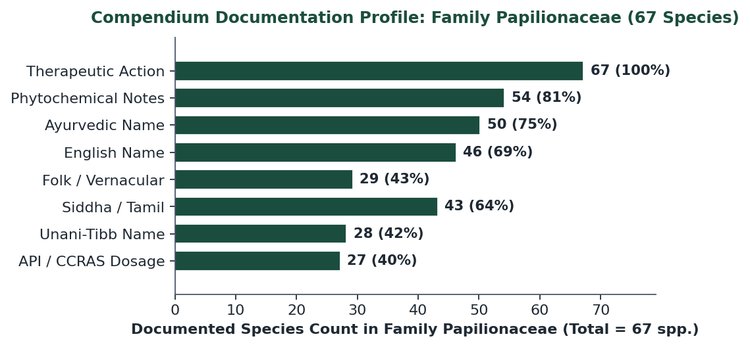
Figure 2: Quantitative documentation profile across all 67 medicinal species of family Papilionaceae.
5. Pharmacopoeial Standards, Posology & Reference Framework
For clinical and traditional dispensing, the standardized posology and crude herb dosage for Abrus precatorius Linn. are prescribed as follows: Detoxified seed—1–3 g powder. Root powder—3–6 g. (API Vols. I, II.). Crude drug dosages are calibrated against The Ayurvedic Pharmacopoeia of India (Vols. I–IV) and the Standard Nomenclature of Ayurvedic Medicinal Plants published by the Central Council for Research in Ayurveda and Siddha (CCRAS). Classical and modern pharmacognostic synchronization for Abrus precatorius Linn. integrates standards from The Ayurvedic Pharmacopoeia of India, The National Formulary of Unani Medicine, Formulary of Siddha Medicine, The Wealth of India (CSIR), Compendium of Indian Medicinal Plants (CDRI), Dictionary of Indian Medicinal Plants (CIMAP), German Commission E, ESCOP, WHO monographs, British Herbal Pharmacopoeia, and Natural Medicines Comprehensive Database.