Claviceps purpurea (Fr.) Tul.
1. Taxonomic, Nomenclature & Therapeutic Summary Table
| Botanical Attribute | Pharmacognostic & Therapeutic Specification |
|---|---|
| Family | Hypocreaceae. |
| Habitat | A fungous parasite on a number of grasses particularly in rye, cultivated in the Nilgiris and at Chakrohi farm in Jammu. |
| English | Ergot of Rye. Fungus of Rye. |
| Ayurvedic | Annamaya, Sraavikaa. |
| Unani | Argot. |
| Siddha / Tamil | Ergot. |
| Action | Uterine stimulant. Oxytocic, abortifacient, parturient, vasoconstrictor, haemostatic. Used in obstetrics (difficult childbirth, for exciting uterine contractions in the final stages of parturition). Also used after abortion for removal of the placenta. It is no more employed in internal haemorrhages, as it has been found to raise blood pressure in pulmonary and cerebral haemorrhage. Included among unapproved herbs by German Commission E. |
| Dosage | Whole plant—10–30 ml infusion. (CCRAS.) |
| Taxonomic Cohort | Genus Claviceps (1 documented species); Family Hypocreaceae (1 documented species). |
2. Classical Nomenclature, Taxonomy & Biogeographical Context
Claviceps purpurea (taxonomically cited with authority (Fr.) Tul.) is an established medicinal plant species in Indian materia medica. It is classified under the botanical family Hypocreaceae (primary family classification: Hypocreaceae), placing it within a well-defined chemotaxonomic group of medicinal flora. Within botanical taxonomy, this taxon is cataloged directly under its primary accepted binomial without secondary botanical synonyms. Biogeographically, its documented habitat and ecological distribution span: A fungous parasite on a number of grasses particularly in rye, cultivated in the Nilgiris and at Chakrohi farm in Jammu.
Across classical and vernacular Indian systems of medicine, Claviceps purpurea is recognized under distinct polyglot nomenclature: in English botanical and trade usage as Ergot of Rye. Fungus of Rye; in the Ayurvedic system (synchronized across The Ayurvedic Pharmacopoeia of India, CCRAS Standard Nomenclature, Sharangadhara Samhita, and Bhava Prakash) as Annamaya, Sraavikaa; in the Unani-Tibb materia medica (recorded in The National Formulary of Unani Medicine and CCRUM literature) as Argot; in the Siddha and Tamil medical tradition (compiled from the Formulary of Siddha Medicine and IMPCOPS Chennai) as Ergot. Romanized Sanskrit and Ayurvedic spellings follow standard National Academy of Ayurveda (Rashtriya Ayurveda Vidyapeeth) transliteration conventions, using double vowels to preserve authentic classical pronunciation across regional medical traditions.
3. Therapeutic Actions, Phytochemistry & Pharmacological Profile
In therapeutic and clinical pharmacognosy, the primary recorded actions and clinical indications of Claviceps purpurea are: Uterine stimulant. Oxytocic, abortifacient, parturient, vasoconstrictor, haemostatic. Used in obstetrics (difficult childbirth, for exciting uterine contractions in the final stages of parturition). Also used after abortion for removal of the placenta. It is no more employed in internal haemorrhages, as it has been found to raise blood pressure in pulmonary and cerebral haemorrhage. Included among unapproved herbs by German Commission E. These traditional and clinical attributes reflect the plant part-specific pharmacological profile documented across classical Indian treatises and modern herbal pharmacopoeias.
Experimental phytochemistry, active chemical constituents, and pharmacological screening studies reported for Claviceps purpurea establish the following evidence base: The fungus gave indole alkaloids. The ergometrine or ergonovine group includes ergometrine and ergometrinine. The ergotamine group includes ergotamine and ergotaminine. The ergotoxine group includes ergocristine, ergocristinine, ergocryptine, ergocryptinine, ergocornine and ergocorninine. The fungus also contains histamine, tyramine and other amines, sterols and acetylcholine. The alkaloids of ergot are being used independently (not as a herbal medicine). Ergotamine is used to relieve migrainous headaches as it is a vasoconstrictor and has antiserotonin activity. Ergometrine is used after childbirth in the third stage of labour and for post-partum haemorrhage, as it is a powerful uterine stimulant, particularly of the puerperal uterus. (Both the constituents are used under medical supervision). Ergocornine significantly inhibited the development of induced mammary tumours in rats. The derivatives of ergot alkaloids are known to have suppressing effect on human breast cancer in initial stages. This activity is linked to prolactin inhibitory action. The extract is toxic at 1.0–3.9 g, ergot alkaloids at 1 g in adults, 12 mg in infants. (Francis Brinker).
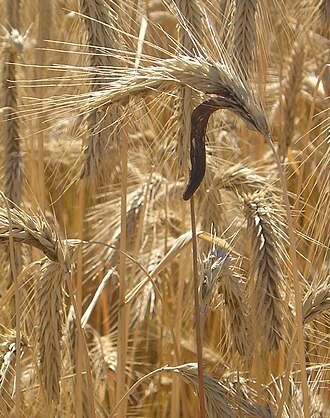
Botanical Reference 1: Claviceps purpurea — Botanical specimen
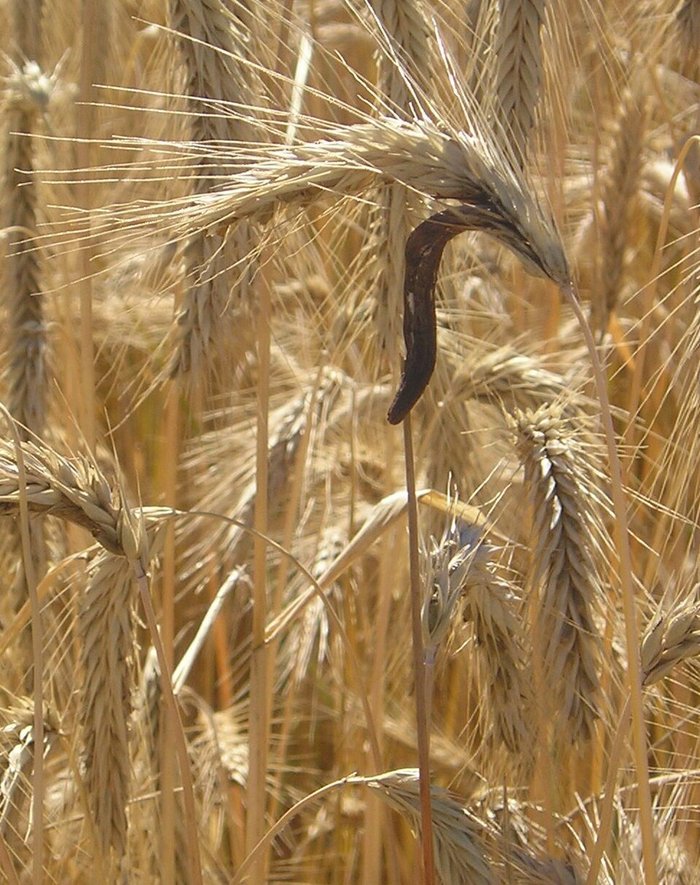
Botanical Reference 2: Claviceps purpurea — Botanical specimen
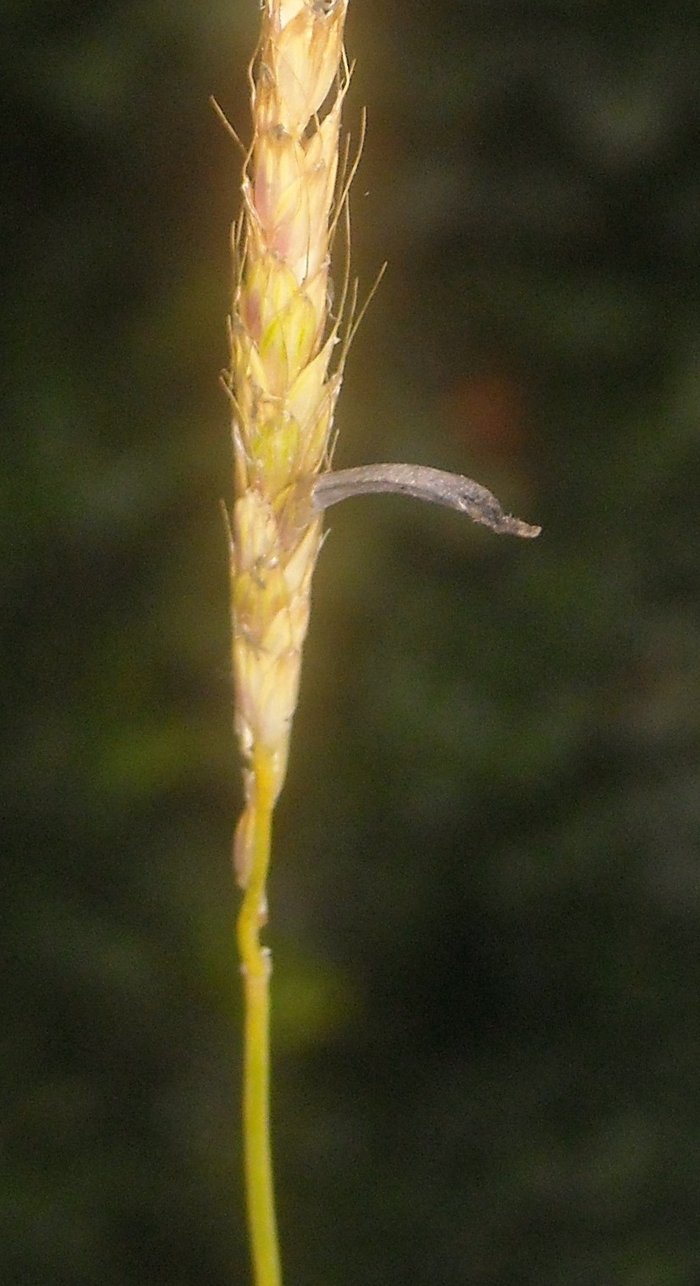
Botanical Reference 3: Claviceps purpurea — Wikimedia Commons reference
4. Comparative Genus & Family Pharmacognosy
Within Indian medicinal flora, Claviceps purpurea stands as a distinct representative of the genus Claviceps. Its therapeutic profile underscores the role of selectively utilized medicinal genera alongside larger polytypic genera.
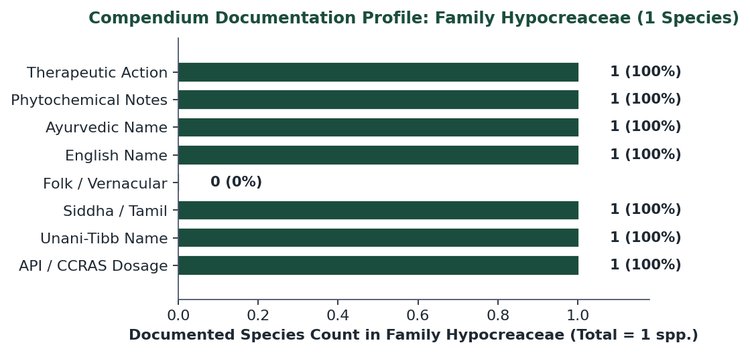
Figure 1: Quantitative documentation profile across all 1 medicinal species of family Hypocreaceae.
5. Pharmacopoeial Standards, Posology & Reference Framework
For clinical and traditional dispensing, the standardized posology and crude herb dosage for Claviceps purpurea are prescribed as follows: Whole plant—10–30 ml infusion. (CCRAS.). Crude drug dosages are calibrated against The Ayurvedic Pharmacopoeia of India (Vols. I–IV) and the Standard Nomenclature of Ayurvedic Medicinal Plants published by the Central Council for Research in Ayurveda and Siddha (CCRAS). Classical and modern pharmacognostic synchronization for Claviceps purpurea integrates standards from The Ayurvedic Pharmacopoeia of India, The National Formulary of Unani Medicine, Formulary of Siddha Medicine, The Wealth of India (CSIR), Compendium of Indian Medicinal Plants (CDRI), Dictionary of Indian Medicinal Plants (CIMAP), German Commission E, ESCOP, WHO monographs, British Herbal Pharmacopoeia, and Natural Medicines Comprehensive Database.